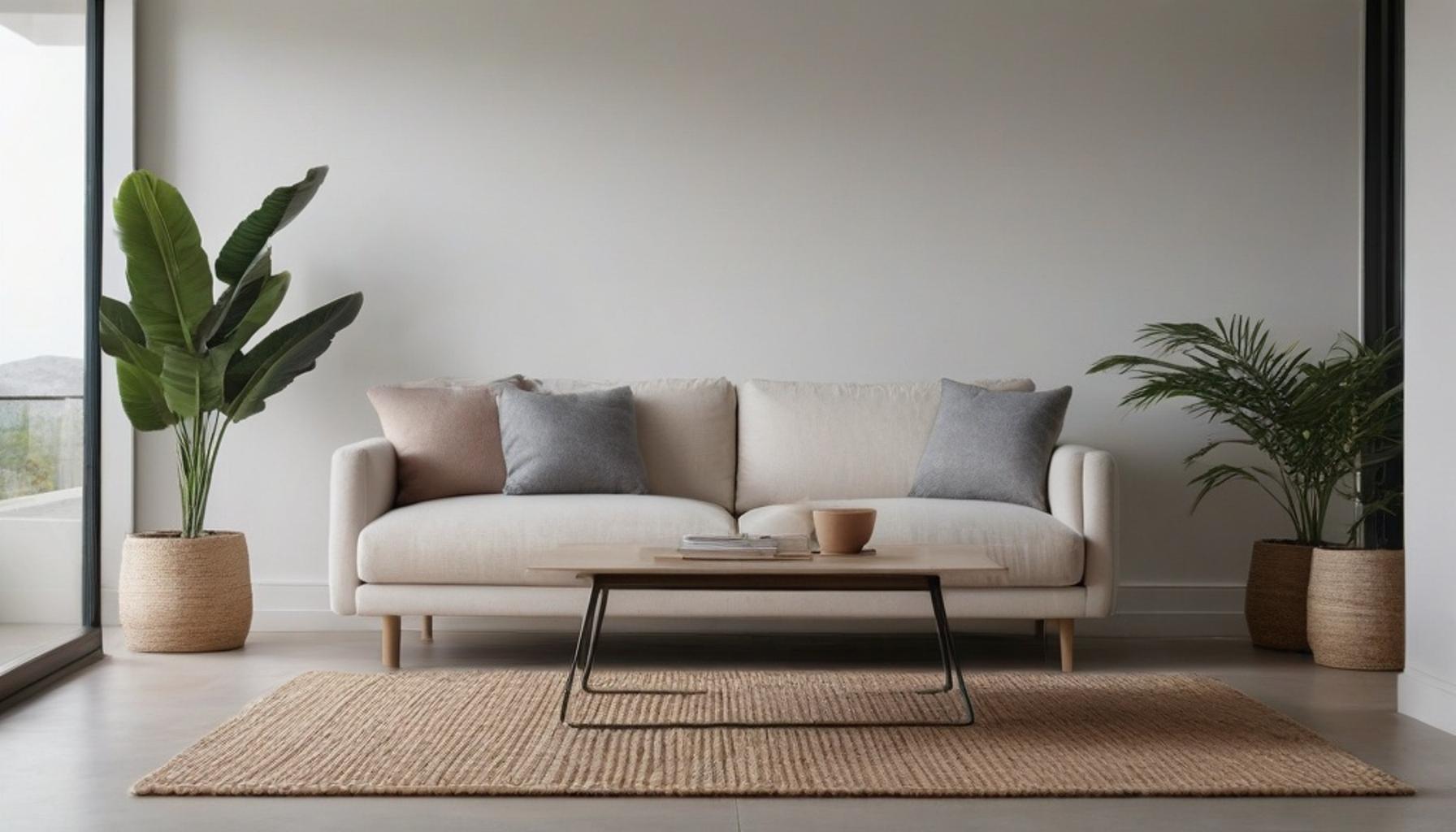
Strategies for Domestic Organization for a Minimalist and Calming Environment
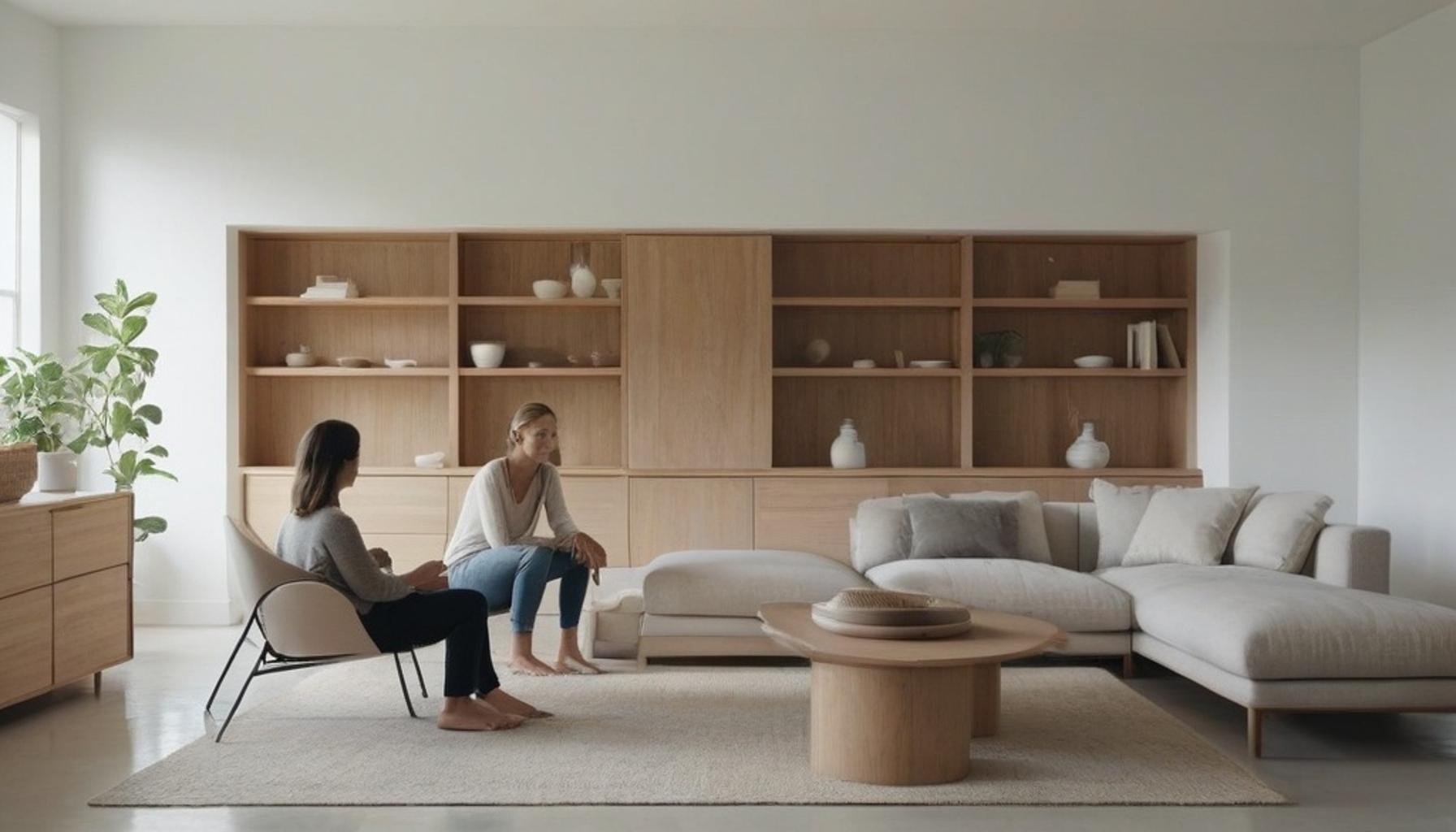
Reclaiming Your Home and Wellbeing through Organization
American households are drowning in stuff. The average U.S. home contains over 300,000 items, according to the LA Times, and self-storage has become a $39 billion industry nationwide. This astonishing statistic reflects a societal trend where the accumulation of possessions surpasses mere necessity. Each room often becomes a repository of things we thought we needed but rarely use. As a result, our homes can feel less like sanctuaries and more like chaotic warehouses, detracting from our quality of life.
This clutter isn’t just visual noise; it can be a major stress trigger. Numerous studies have shown a direct correlation between disorganized spaces and elevated cortisol levels, especially among women who juggle the demands of busy households. The presence of clutter can lead to feelings of anxiety and overwhelm, making it increasingly difficult to focus on daily tasks. When your space is disheveled, so too can be your mind, potentially hindering productivity and relaxation.
The Minimalist Shift
In response to this clutter crisis, more individuals are embracing Domestic Organization Strategies as practical solutions to reclaim both their physical space and mental clarity. It’s important to recognize that this approach does not demand a life devoid of possessions; rather, it’s about making mindful choices. The goal is to own intentionally, prioritizing quality and functionality over sheer quantity.
Minimalist home organization has gained significant attention, fueled by the popularity of Marie Kondo’s Netflix series and the emergence of “slow living” content across social media platforms. These movements encourage a lifestyle that values experiences and mindfulness over material accumulation. Elements of minimalism can be easily integrated into everyday life, leading to a variety of benefits.
- Decluttering strategies that can reduce daily decision fatigue, allowing individuals to allocate their mental energy to more pressing matters.
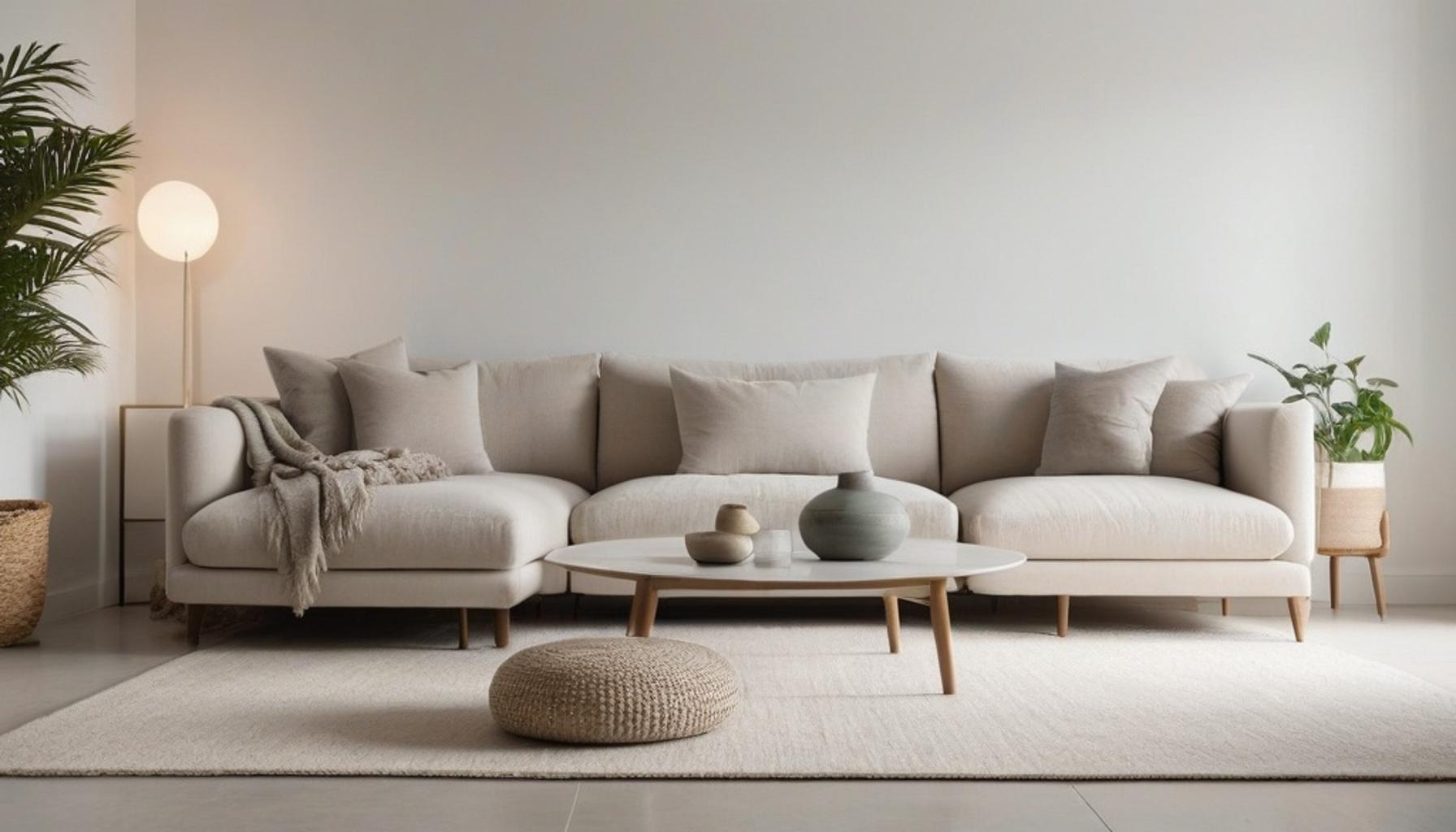
- Calming environment tips based on color psychology and spatial flow help create a serene atmosphere, essential for stress reduction.
- Storage solutions that artfully conceal chaos yet retain functionality enable a seamless blend of aesthetics and practicality.
- Room-by-room systems that anyone can maintain long-term promote sustainable habits, ensuring that organization becomes a lifestyle choice rather than a temporary fix.
What This Guide Covers
This article aims to provide you with actionable home organization ideas tailored for real American homes—whether they are modest apartments, starter houses, or expansive family residences. You’ll realize that stress-free home organization isn’t merely a weekend endeavor but a systematic approach that can be adopted over time.
Expect to find specific techniques rather than vague inspiration. Each strategy shared here is designed to empower you, allowing you to take gradual steps toward a more organized and tranquil home environment. Are you ready to transform cluttered chaos into a calm, functional living space? Join us as we explore the shifts in mindset that facilitate meaningful change.
CHECK OUT: Minimalism in Practice: Creating a Daily Routine with Less Clutter
Building the Foundation: The Mindset Behind Lasting Order
Before diving into bins, labels, and closet systems, successful Domestic Organization Strategies require a shift in perspective. Most Americans approach clutter as a physical problem, reaching for storage containers as a first response. Yet professional organizers consistently point out that containers without a clear system simply relocate chaos rather than resolve it.
To truly tackle clutter, one must first understand the emotional and psychological aspects that contribute to disorganization. The National Association of Productivity and Organizing Professionals notes that people typically use only 20% of their belongings 80% of the time. This means the vast majority of items filling drawers, garages, and closets are essentially dead weight—costing space, cleaning time, and mental bandwidth. Realizing this can be daunting, yet it’s a crucial step toward fostering a more efficient living space.
Start with the “One-Minute Rule”
One of the simplest entry points into minimalist home organization is the one-minute rule: if a task takes sixty seconds or less, do it immediately instead of postponing it. Hanging a coat, rinsing a dish, or filing a piece of mail may seem insignificant, but these micro-actions prevent the small piles that eventually snowball into overwhelming messes.
This habit has its roots in cognitive psychology, where it’s understood that the act of completing small tasks creates a sense of accomplishment that can propel you towards tackling larger tasks. This strategy is particularly potent in American households, where the pace of life often squeezes time for larger clean-up efforts. It plays into the idea that simplicity can lead to efficiency; adopting this mindset enables individuals to maintain control over their environments.
Clutter rarely appears overnight. It accumulates through dozens of tiny deferred decisions made daily. Therefore, interrupting that pattern is often more effective than any weekend deep-clean. Over time, the cumulative effect of applying the one-minute rule can transform a chaotic space into a harmonious home.
Categorize Before You Contain
Effective decluttering strategies depend on sorting before storing. Professional organizers recommend grouping items into four categories before deciding where anything goes. This method ensures that your organizational efforts are purposeful and tailored to your actual needs:
- Keep and use often — These are items accessed weekly, like keys and everyday cookware, which deserve prime, easy-to-reach real estate.
- Keep but rarely used — Seasonal or occasional items like holiday decorations or camping gear can live in higher shelves or less accessible storage.
- Donate or sell — Functional items that no longer serve your household, such as clothes too small or appliances you no longer use, are ideal for local donation centers or resale apps like Poshmark and Facebook Marketplace. Donating not only frees space but also benefits those in need, fostering a sense of community.
- Discard — Broken, expired, or duplicate items with no remaining value should be thrown away. It’s crucial to practice discernment here—holding onto items that serve no purpose hinders productivity.
Working through this categorization process, room by room, prevents the common mistake of acquiring storage solutions before understanding what actually needs to be stored. This preliminary step lays the groundwork for stress-free home organization that doesn’t require constant re-doing. For instance, setting up a system for your clothing storage without first determining how many pieces you actually use can lead to overcrowded drawers and perpetual frustration.
Once categories are clear, the next step involves translating this clarity into calming, functional spaces. Consider how layout choices, color palettes, and even decorative elements can create an inviting atmosphere. Studies suggest that organized spaces can help reduce stress and enhance productivity, making the effort to create an orderly environment well worth it.
Ultimately, adopting the right mindset is critical in ensuring that organization becomes a lasting feature of your home rather than a temporary fix. The shift away from merely storing items towards a comprehensive understanding of one’s living environment marks the first step in cultivating a peaceful and productive space.
| Strategy | Description & Benefits |
|---|---|
| Decluttering | Regularly removing items that do not serve a purpose helps create a peaceful atmosphere. Benefits include reduced stress and a more efficient use of space. |
| Mindful Storage Solutions | Utilizing multi-functional furniture and hidden storage, such as under-bed containers, can maximize space and enhance tranquility in the home. |
| Routine Organization | Establishing a daily tidying routine promotes a stress-free environment. Consistency is key to maintaining minimalism. |
| Color Palette Selection | Choosing soft, neutral colors for walls and furnishings can create a calming environment. A harmonious color scheme plays a crucial role in visual peace. |
CHECK OUT: The Importance of Digital Detoxification in a Simplified Lifestyle
Designing Zones That Work With Your Daily Rhythm
Once clutter has been sorted and pared down, the next layer of Domestic Organization Strategies involves thinking spatially. Professional organizers often borrow a concept from commercial kitchens and retail design: zoning. Instead of organizing by room alone, effective systems organize by activity, grouping items according to how and where they are actually used.
A landing zone near the entryway, for example, might hold keys, mail, and outgoing packages, while a separate “grab-and-go” zone in the kitchen houses reusable bags and travel mugs. This approach reduces the daily friction that leads to clutter in the first place, since everything has a designated home tied to a specific routine.
The Power of Visual Silence
Interior designers frequently reference the term visual silence when discussing calming environment tips. This refers to spaces where the eye isn’t forced to process dozens of colors, textures, or shapes at once. Research from environmental psychology suggests cluttered visual fields can elevate cortisol levels, the hormone associated with stress, even when the mess itself seems minor.
Creating visual silence doesn’t require an all-white home or a complete furniture overhaul. Simple adjustments make a measurable difference:
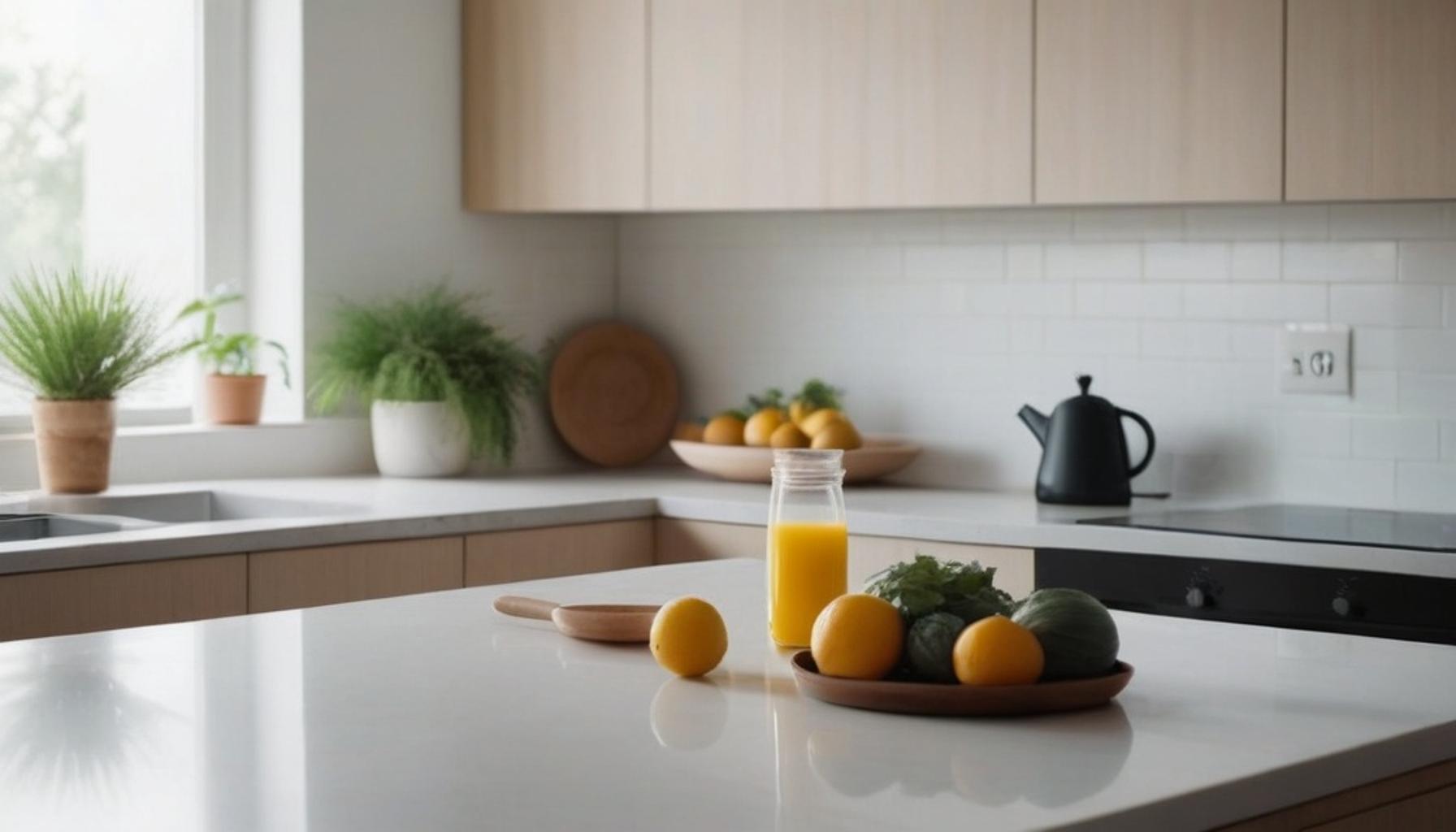
- Limit countertop items — Keep only one or two functional objects, like a coffee maker, visible; store the rest in cabinets.
- Choose closed storage over open shelving for miscellaneous items, reserving open shelves for curated, intentional displays.
- Stick to a neutral palette for storage bins and baskets, avoiding a mismatched patchwork of colors and materials.
These small design decisions compound over time, contributing to a home that feels settled rather than saturated with visual noise.
Digital Clutter Deserves Attention Too
Modern minimalist home organization can’t ignore the digital sphere. The average American receives over 100 emails per day, and smartphone home screens often become as chaotic as an overstuffed junk drawer. This digital buildup contributes to the same scattered, anxious feeling as physical clutter.
Practical steps include unsubscribing from unused mailing lists, organizing apps into labeled folders, and setting a recurring monthly reminder to clear downloads and screenshots. Treating digital spaces with the same intentionality as physical ones rounds out a truly comprehensive approach to stress-free home organization.
Maintenance Rituals That Prevent Backsliding
Even the best-organized home requires upkeep. Many professional organizers recommend a weekly ten-minute reset, ideally scheduled for Sunday evening, where surfaces are cleared and items are returned to their designated zones. This habit, borrowed from lean manufacturing principles, prevents the slow creep of disorganization that undoes weeks of effort in a matter of days.
Pairing this ritual with seasonal reviews—spring and fall, for instance—helps households reassess whether their systems still match their needs, since family routines, wardrobes, and priorities shift throughout the year. These recurring check-ins are what separate a one-time decluttering project from a genuinely sustainable, calming home environment.
LEARN MORE: Uncomplicating Life: Practices of Simplified Living to Reduce Stress
Bringing It All Together: A Home That Supports Rather Than Depletes
The throughline across every method discussed here is simple: Domestic Organization Strategies work best when they respect how people actually live, not how a magazine spread suggests they should. Zoning by activity, reducing visual noise, and taming digital clutter all point to the same conclusion—organization is less about aesthetics and more about removing daily friction.
It’s worth remembering that minimalist home organization doesn’t demand austerity. A home can hold sentimental objects, family photos, and a full bookshelf while still feeling calm, provided those items are placed with intention rather than left to accumulate by default.
For households just starting out, the temptation is to overhaul everything at once. A more sustainable path involves picking one zone, applying a handful of calming environment tips, and expanding gradually as new habits take hold. Small, consistent wins tend to outlast dramatic weekend purges that fizzle out by month’s end.
Consider these closing takeaways:
- Systems outperform willpower — a designated landing zone works even on chaotic mornings when motivation is low.
- Visual and digital clutter share the same root cause — too many unsorted inputs competing for attention.
- Maintenance rituals matter more than the initial cleanout — a ten-minute weekly reset protects hours of earlier effort.
Ultimately, effective decluttering strategies and thoughtful home organization ideas aren’t about achieving a picture-perfect interior. They’re about creating breathing room—physically and mentally—so the home functions as a refuge rather than another source of stress. Readers curious about deepening this practice might explore related fields like environmental psychology or lean-inspired household systems, both of which continue to shape how professionals approach stress-free home organization today.
Frequently Asked Questions
What are some effective domestic organization strategies for achieving a minimalist home?
To create a minimalist home, start by decluttering each room and keeping only items that serve a purpose or bring you joy. Implement storage solutions like baskets and labeled bins to keep belongings organized, and embrace vertical space with shelves. Regularly assess your items and unsubscribe from unnecessary mail or subscriptions to prevent clutter build-up.
How can I maintain a calming environment while organizing my domestic space?
To maintain a calming environment, choose a neutral color palette for your décor and furniture to promote tranquility. Incorporate natural elements like plants and adequate lighting to enhance the atmosphere. Regularly schedule time for tidying up to keep your organized space clean and serene.
What role does labeling play in domestic organization strategies for a minimalist lifestyle?
Labeling is crucial in a minimalist lifestyle as it helps identify designated storage areas, ensuring that everything has a specific place. This practice not only streamlines the process of putting items away but also aids in quickly finding what you need without unnecessary searching. It reinforces the idea of intentional living by keeping your space clear of clutter.
Can technology assist in domestic organization, and if so, how?
Yes, technology can significantly assist in domestic organization through apps that help you categorize, manage, and track your belongings. Inventory management apps can keep a digital record of items, while task management tools can help you schedule decluttering sessions or to-do lists. Utilizing smart home devices can also create more efficient, organized spaces.
What strategies can families use to encourage a minimalist approach to domestic organization?
Families can encourage a minimalist approach by establishing family rules around acquiring new items, such as ‘one in, one out’ policies. Involve everyone in decluttering sessions to promote teamwork and understanding of shared spaces. Additionally, set aside time for regular discussions about what items are truly essential for everyone.
How often should I reevaluate my domestic organization systems to maintain a minimalist home?
It’s advisable to reevaluate your domestic organization systems at least quarterly or whenever you notice clutter starting to accumulate. Use these moments to assess whether your current systems are working and make adjustments as necessary. Regular check-ins help maintain the minimalist vibe and keep your space calm and organized.

Linda Carter
Linda Carter is a writer specializing in minimalism and personal organization. With extensive experience helping readers create more functional and balanced routines, she shares practical advice on decluttering, organizing spaces, simplifying daily tasks, and making more intentional choices. Her goal is to offer clear guidance and accessible strategies that help people reduce excess, improve their surroundings, and enjoy a calmer, more organized lifestyle.