The Impact of Intentional Design on Mental Clarity in Minimalist Environments

Understanding the Relationship Between Environment and Neural Responses
When stepping into a cluttered garage in suburban Ohio or a cramped studio apartment in the heart of Brooklyn, a series of cognitive processes kick in almost instantly, often without our conscious awareness. Our surroundings subtly influence our mental state, with intentional design and mental clarity intricately linked in ways that many people may not fully understand. Researchers are diligently working to uncover the extent of this connection, revealing how our environments shape our thoughts and emotions.
The groundbreaking 2011 study by Princeton University discovered that visual clutter competes for cognitive resources, resulting in a diminished ability to focus on tasks. This pivotal finding has ignited a movement toward minimalism and mental health, prompting designers, therapists, and everyday individuals to rethink the very concept of what makes a space “livable.” As more people embrace streamlined environments, discussions surrounding mental well-being have intensified, shedding light on how order and simplicity can promote calmness and clarity.
What This Article Will Explore
This piece delves into the intersection of design and our mental processes, highlighting the science and strategies behind intentional living spaces. We will draw insights from real-world examples across American homes, workplaces, and public venues.
- Investigating how certain design elements can trigger quantifiable reductions in stress hormones.
- Exploring core minimalist design benefits supported by environmental psychology research.
- Offering practical, budget-friendly tips to foster mental clarity in minimalism within your own home.
- Examining case studies from influential companies like Apple and IKEA that have built their brands on simplicity and functional design.
The impact of design on the mind has evolved into a robust field of study, backed by empirical evidence from neuroscience labs and behavioral research conducted throughout the United States. Gaining a deeper understanding of this connection can transform how you perceive and interact with every room you enter, prompting you to curate spaces that enhance rather than detract from your mental wellness.
RECOMMENDED: The Psychology of Minimalism: How Intentional Design Can Reduce Stress and Increase Productivity
# The Neuroscience Behind Clutter, Calm, and Cognitive Load
Walk into a Manhattan apartment stripped down to its essentials, and something shifts almost immediately in the nervous system. The shoulders drop. The breath slows. This isn’t coincidence or aesthetic preference alone—it’s measurable neurobiology at work. The effect of design on mind extends far deeper than curb appeal or Instagram-worthy interiors; it reaches into the amygdala, the prefrontal cortex, and the body’s stress-response systems.
A 2019 study published in the Journal of Environmental Psychology found that individuals working in visually cluttered environments produced significantly higher cortisol levels than those in organized, minimalist settings. Cortisol, often dubbed the “stress hormone,” directly impairs memory formation and decision-making capacity when chronically elevated. This means that messy desk in your home office isn’t just an eyesore—it’s actively working against your cognitive performance.
How Visual Noise Overloads the Brain
Neuroscientists at the University of California, Irvine, have demonstrated that the human brain processes visual information through a limited-capacity system. Every object, color, and texture in a room competes for a finite pool of attention. When that pool becomes saturated, the brain enters a state researchers call “attentional residue,” where mental sharpness deteriorates even after leaving the cluttered space.
This concept underpins much of the current enthusiasm surrounding intentional living spaces. Rather than treating minimalism as a design trend, professionals in cognitive science now view it as a functional tool for restoring mental bandwidth.
Several key mechanisms explain why decluttered environments support sharper thinking:
- Reduced decision fatigue — Fewer objects mean fewer micro-decisions throughout the day, preserving willpower for tasks that matter.
- Lower sensory overload — Clean lines and open space decrease the constant background processing the brain must perform.
- Improved spatial memory — Organized environments allow the hippocampus to map surroundings more efficiently, reducing subconscious anxiety.
- Enhanced focus duration — Studies from Princeton’s Neuroscience Institute show attention spans increase in low-stimulus environments.
These findings collectively strengthen the case for Intentional Design and Mental Clarity as interconnected forces rather than separate wellness trends. Across American cities—from tech offices in Austin to therapy practices in Seattle—professionals are beginning to redesign spaces specifically to lower cognitive strain.
What emerges from this research isn’t simply an argument for owning fewer possessions. It’s a compelling, data-backed case that the architecture of our daily environments directly shapes the architecture of our thinking.
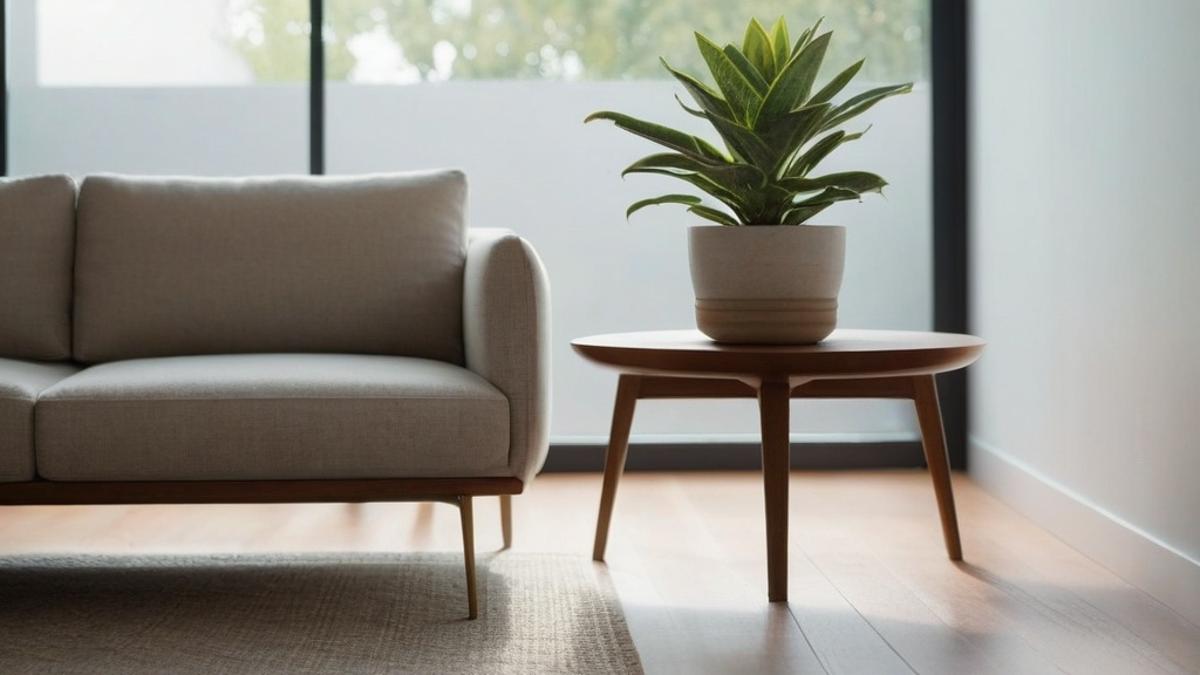
| Key Aspect | Impact on Clarity |
|---|---|
| Reduction of Clutter | A minimalist environment promotes mental clarity by reducing sensory overload, allowing individuals to focus more effectively on tasks. |
| Thoughtful Space Planning | Intentional design choices enhance movement and accessibility, leading to an increase in productivity and mindful living. |
| Natural Light Utilization | Enhancing space with natural light supports mental health and elevates mood, thus boosting overall mental clarity in minimalist living. |
| Color Psychology | Strategically chosen colors can evoke tranquility and focus, cultivating an environment that diminishes stress and enhances intentional design’s influence on mental clarity. |
YOU MAY ALSO LIKE: Intentional Design in Small Spaces: Minimalist Solutions to Maximize Functionality
# From Theory to Practice: How Intentional Spaces Are Reshaping American Living
The research is compelling, but what does it look like when translated into actual square footage? Across the United States, a quiet architectural shift is underway, one that treats intentional living spaces not as a luxury but as a psychological necessity.
In Portland, Oregon, a wave of “wellness architects” now consult on residential projects with a singular mandate: reduce visual complexity to reduce mental noise. Their work often starts with an audit—cataloging every surface, color palette, and storage solution in a home before making a single design decision.
The Numbers Behind the Movement
A 2021 survey conducted by the American Institute of Architects found that 68 percent of homeowners requesting renovations specifically cited “mental calm” as a design priority, a dramatic increase from just 34 percent a decade earlier. This shift signals that minimalism and mental health are no longer niche concerns confined to lifestyle blogs.
Corporate America has taken notice too. Companies like Google and Salesforce have redesigned entire office floors using biophilic and minimalist principles, citing internal data on employee focus and reported stress levels. Salesforce’s San Francisco tower, for instance, incorporates deliberate negative space on every floor—a design choice directly informed by cognitive load research.
Several practical strategies have emerged from these large-scale experiments:
- Zoning by function — Designating single-purpose areas prevents the brain from associating one space with multiple competing tasks.
- Color restraint — Neutral palettes with limited accent colors reduce the visual processing load studied by UC Irvine researchers.
- Concealed storage — Hiding everyday clutter behind clean cabinetry maintains functionality without sacrificing visual calm.
- Natural light maximization — Unobstructed windows paired with minimal furniture placement have been linked to improved mood regulation in multiple environmental psychology studies.
Why This Matters Beyond Aesthetics
Skeptics often dismiss minimalist interiors as sterile or impractical for real family life. Yet occupational therapists working with ADHD patients increasingly recommend simplified environments as a legitimate intervention, not merely a preference.
Dr. Sabine Kastner, a Princeton neuroscientist studying attention networks, has noted that environments requiring less filtering allow the prefrontal cortex to allocate resources toward higher-order thinking rather than basic sensory triage. This finding reinforces the broader minimalist design benefits observed across residential and commercial spaces alike.
The evidence suggests that achieving mental clarity in minimalism isn’t about deprivation. It’s about strategic subtraction—removing what doesn’t serve cognitive function so that what remains can operate at full capacity.
RECOMMENDED: The Aesthetics of Minimalism: How Intentional Design Improves Personal Organization
The Bigger Picture: Rethinking Space as a Cognitive Tool
What began as an aesthetic preference has evolved into something far more consequential. The growing body of evidence around Intentional Design and Mental Clarity suggests that our physical surroundings function less like backdrops and more like active participants in how we think, feel, and process daily life.
From Portland’s wellness architects to Salesforce’s negative-space office floors, the pattern is unmistakable. Americans across income levels and geographic regions are recognizing that clutter isn’t simply an eyesore—it’s a measurable drain on cognitive bandwidth.
What Comes Next for Design and Wellbeing
The next frontier likely involves personalization. Not every household needs stark white walls or empty countertops to experience the effect of design on mind that researchers describe. Some may find clarity through curated collections rather than complete absence of objects.
What matters is intentionality itself—the deliberate act of choosing what surrounds you rather than accumulating by default. This distinction separates thoughtful intentional living spaces from spaces that are simply empty.
Insurance companies, healthcare providers, and even school districts are beginning to ask whether environmental design deserves a seat at the table alongside nutrition and exercise in wellness conversations. Early pilot programs in Minneapolis classrooms, for example, have reduced sensory clutter to support student concentration, with promising preliminary results.
As this movement matures, expect more rigorous longitudinal studies examining exactly how much minimalism and mental health intersect over years, not just weeks. For now, the available research offers a compelling starting point.
The takeaway is refreshingly simple: thoughtful subtraction, not deprivation, may be one of the most accessible tools available for supporting a clearer, calmer mind.
Frequently Asked Questions
How does intentional design influence mental clarity in a minimalist workspace?
Intentional design in a minimalist workspace reduces clutter and distractions, which allows the mind to focus more effectively on tasks. This environment promotes mental clarity by encouraging a sense of calmness and organization, enabling better concentration and productivity.
Can intentional design improve mental wellness in homes with minimalist decor?
Yes, intentional design in minimalist home decor can enhance mental wellness by creating serene and organized spaces that reduce stress. By prioritizing functional and meaningful elements, individuals can foster an environment that supports relaxation and mental clarity.
What principles of intentional design should I consider to enhance my mental clarity?
To enhance mental clarity, focus on principles such as simplicity, balance, and functionality. Choosing a limited color palette, incorporating natural light, and selecting only essential furnishings can help create an environment that supports mental focus and reduces cognitive overload.
Is there scientific evidence linking intentional design and mental clarity in minimalist settings?
Research indicates that individuals in intentionally designed minimalist environments often report lower stress levels and improved cognitive functioning. Studies show that a well-organized and aesthetically pleasing space can enhance focus and creativity, leading to greater mental clarity.

Linda Carter
Linda Carter is a writer specializing in minimalism and personal organization. With extensive experience helping readers create more functional and balanced routines, she shares practical advice on decluttering, organizing spaces, simplifying daily tasks, and making more intentional choices. Her goal is to offer clear guidance and accessible strategies that help people reduce excess, improve their surroundings, and enjoy a calmer, more organized lifestyle.