The Role of Intentional Design in the Selection of Minimalist Objects for a Functional Lifestyle
Why Every Object in Your Home Should Earn Its Place
Americans own more belongings than any generation before them, yet a paradox looms: clutter-related stress has become a hallmark of contemporary life. According to a 2023 survey by the National Association of Productivity, a striking 54% of U.S. households report feeling overwhelmed by their possessions. This increasing unease has ignited a subtle yet significant shift toward intentional design and minimalist objects, promoting a lifestyle that fosters tranquility and functionality within our living spaces.
The Shift Toward Purposeful Living
Minimalism in today’s context transcends the concept of owning nothing; it is rooted in the principle of owning the right things—those selected with intention rather than whim. In essence, minimalism serves as a lens through which individuals can evaluate their personal belongings in relation to their needs, values, and the joy each item brings to their lives.
This process is fueled by functional design principles, which help individuals determine what should remain in their homes and what should be let go. These principles encourage choices that enhance everyday life, resulting in environments that are both aesthetically pleasing and practical. Here are a few guiding concepts:
- Furniture that serves multiple purposes: For example, a sofa bed can provide seating during the day and transform into a guest bed at night, saving space while increasing usability.
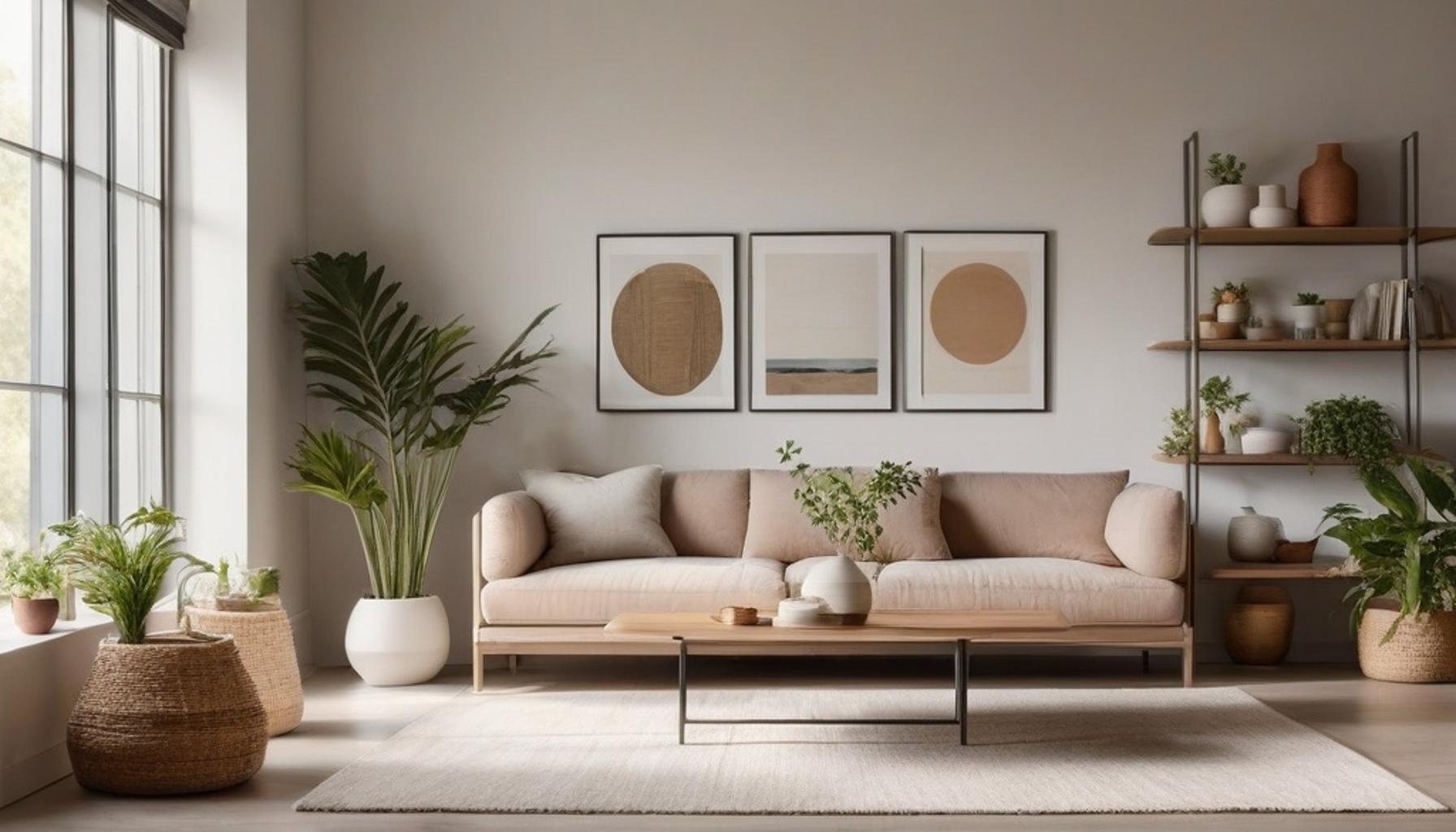
- Decor selected for both beauty and utility: Think of stylish but functional items like woven baskets that organize clutter while adding a decorative touch to a room.
- Tools and gadgets that simplify daily routines: An electric kettle, for instance, can be a sleek addition to the kitchen that allows for quick access to hot water, making your tea or coffee rituals more efficient.
What This Article Will Explore
Understanding intentional living begins with acknowledging how design choices can profoundly affect our everyday experiences. Every curve, material, and object placement carries implications that extend beyond mere aesthetics, shaping the atmosphere and purpose of our homes.
In the sections that follow, readers will encounter practical minimalist lifestyle tips, designed to assist in evaluating possessions with a discerning eye. From selecting minimalist decor that resonates with personal values to exploring the psychological and financial benefits of minimizing clutter, this guide presents a roadmap for those ready to transform their relationships with the items they keep. Whether contemplating a full transformation or simply aiming to declutter your space, understanding the importance of each object will nurture a more serene and functional environment.
Engagement with these principles not only leads to cleaner homes but can also cultivate a sense of psychological relief, ultimately inviting clearer minds and more intentional living.
The Anatomy of Intentional Design: What Makes an Object Worth Keeping
At the heart of intentional design minimalist objects lies a deceptively simple question: does this item genuinely improve my daily life? Design experts and organizational psychologists alike argue that this single inquiry can reshape how Americans interact with their belongings, moving away from impulse purchases toward deliberate curation.
Research from the Journal of Consumer Psychology found that individuals surrounded by fewer, more purposeful objects reported 23% higher satisfaction levels with their living spaces compared to those in cluttered environments. This statistic underscores a broader truth: quantity rarely correlates with quality of life, but thoughtful selection consistently does.
Core Criteria for Selecting Minimalist Decor
When evaluating potential additions to a home, designers who specialize in minimalist interiors often apply a consistent framework. These functional design principles serve as a practical filter, helping homeowners distinguish between fleeting wants and lasting needs.
- Durability over trendiness: A solid oak dining table may cost more upfront, but its longevity outperforms cheaper alternatives that require frequent replacement.
- Versatility across contexts: Items like a neutral-toned area rug can transition seamlessly between design updates, reducing the need for constant redecorating.
- Ease of maintenance: Stain-resistant fabrics and washable surfaces minimize the time spent on upkeep, freeing hours for more meaningful pursuits.
- Emotional resonance: Objects tied to memory or craftsmanship—such as a handmade ceramic bowl from a local artisan—often earn their place through sentiment rather than utility alone.
This selective approach doesn’t mean sacrificing personality. In fact, many interior designers note that selecting minimalist decor with intention often results in more visually cohesive, personality-rich spaces than those filled indiscriminately with trend-driven items.
The Economics Behind Fewer, Better Choices
Beyond aesthetics, there’s a compelling financial argument for this approach. The average American household spends over $1,700 annually on impulse purchases, according to a Slickdeals consumer report. Much of this spending funnels into items that end up unused within months.
By contrast, individuals practicing intentional living tend to invest in fewer, higher-quality pieces. While the upfront cost may be steeper, the long-term savings—paired with reduced clutter—often outweigh the initial investment. This is one of the most overlooked minimalist object benefits: the financial clarity that comes from buying less but buying smarter.
As this pattern of thoughtful acquisition grows, it raises an important question for the modern consumer: how much of what fills our homes actually serves us, and how much simply occupies space?
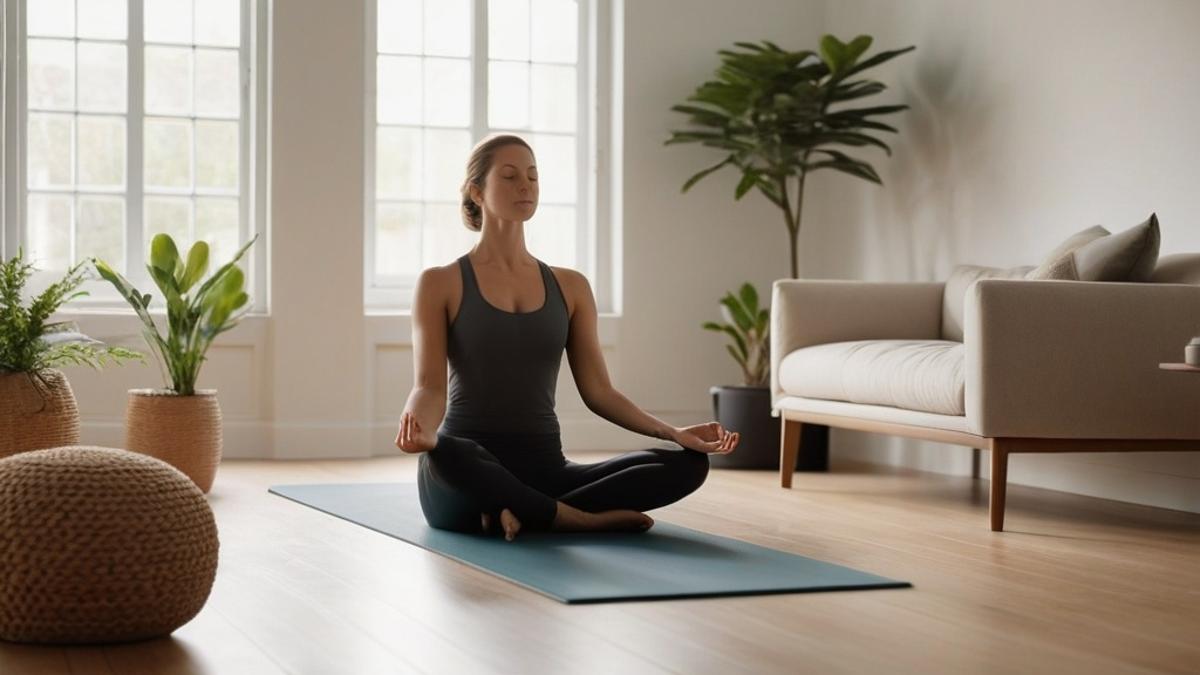
CHECK OUT: How Intentional Design Enhances Personal Organization Strategies
From Theory to Practice: Applying Intentional Design in Everyday Spaces
Understanding the philosophy behind intentional design minimalist objects is one thing; translating that knowledge into real-world decisions is another challenge entirely. Homeowners across the United States are increasingly turning to structured methods that make minimalist choices less abstract and more actionable.
One popular approach, borrowed from Japanese organizing consultant Marie Kondo but adapted for functional living, involves categorizing possessions by room and use rather than sentiment alone. This shift—from emotional attachment to practical assessment—forms the backbone of many minimalist lifestyle tips circulating among designers today.
A Room-by-Room Framework for Smarter Choices
Rather than overhauling an entire home at once, experts recommend tackling spaces individually. This method reduces decision fatigue while reinforcing functional design principles at a manageable pace.
- Kitchens: Prioritize multi-use tools, such as a cast-iron skillet that transitions from stovetop to oven, eliminating the need for redundant cookware.
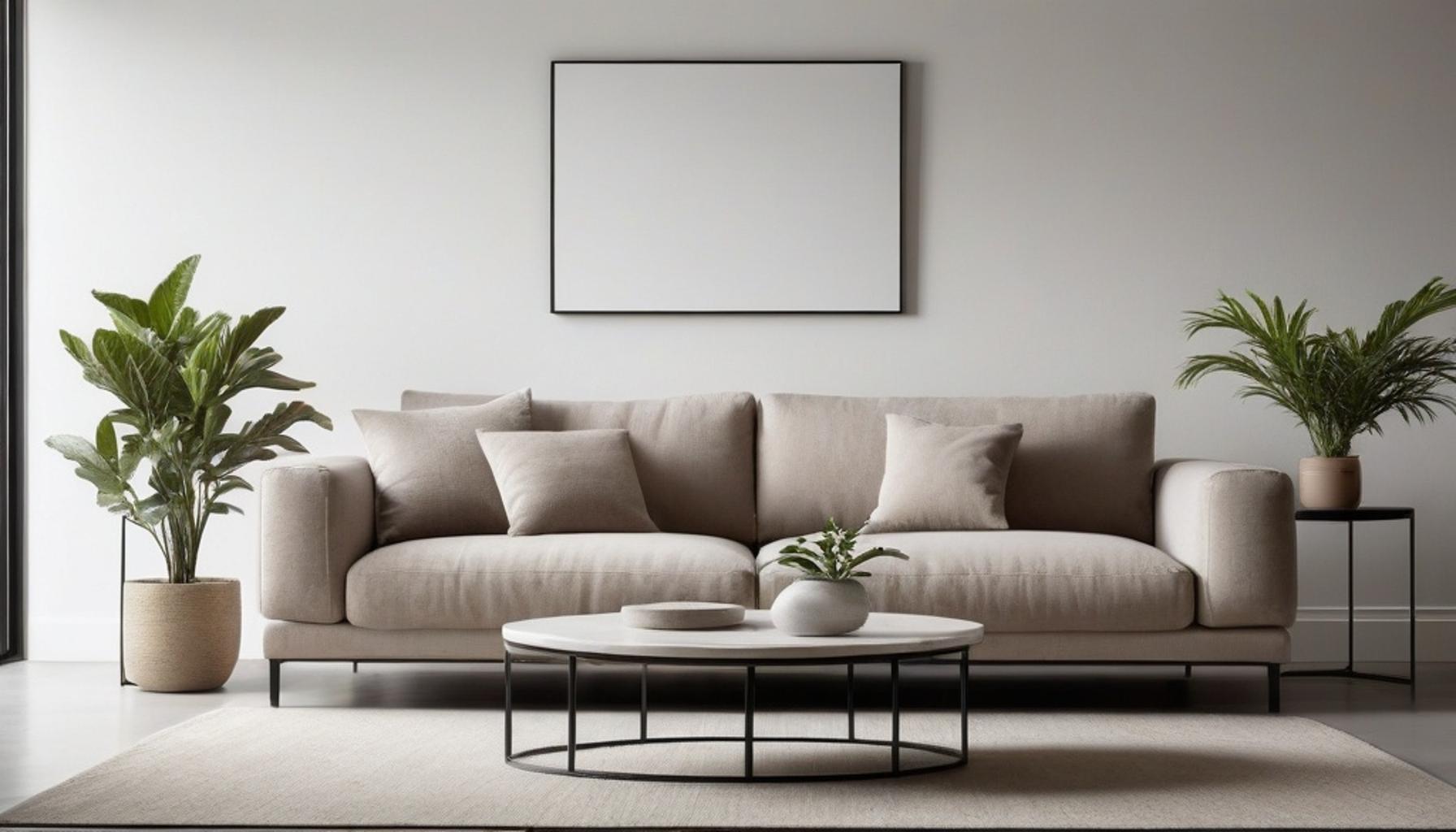
- Living rooms: Choose modular furniture that adapts to different layouts, particularly valuable in smaller American apartments where square footage is at a premium.
- Bedrooms: Invest in storage solutions that double as functional pieces, like a platform bed with built-in drawers, reducing the need for separate dressers.
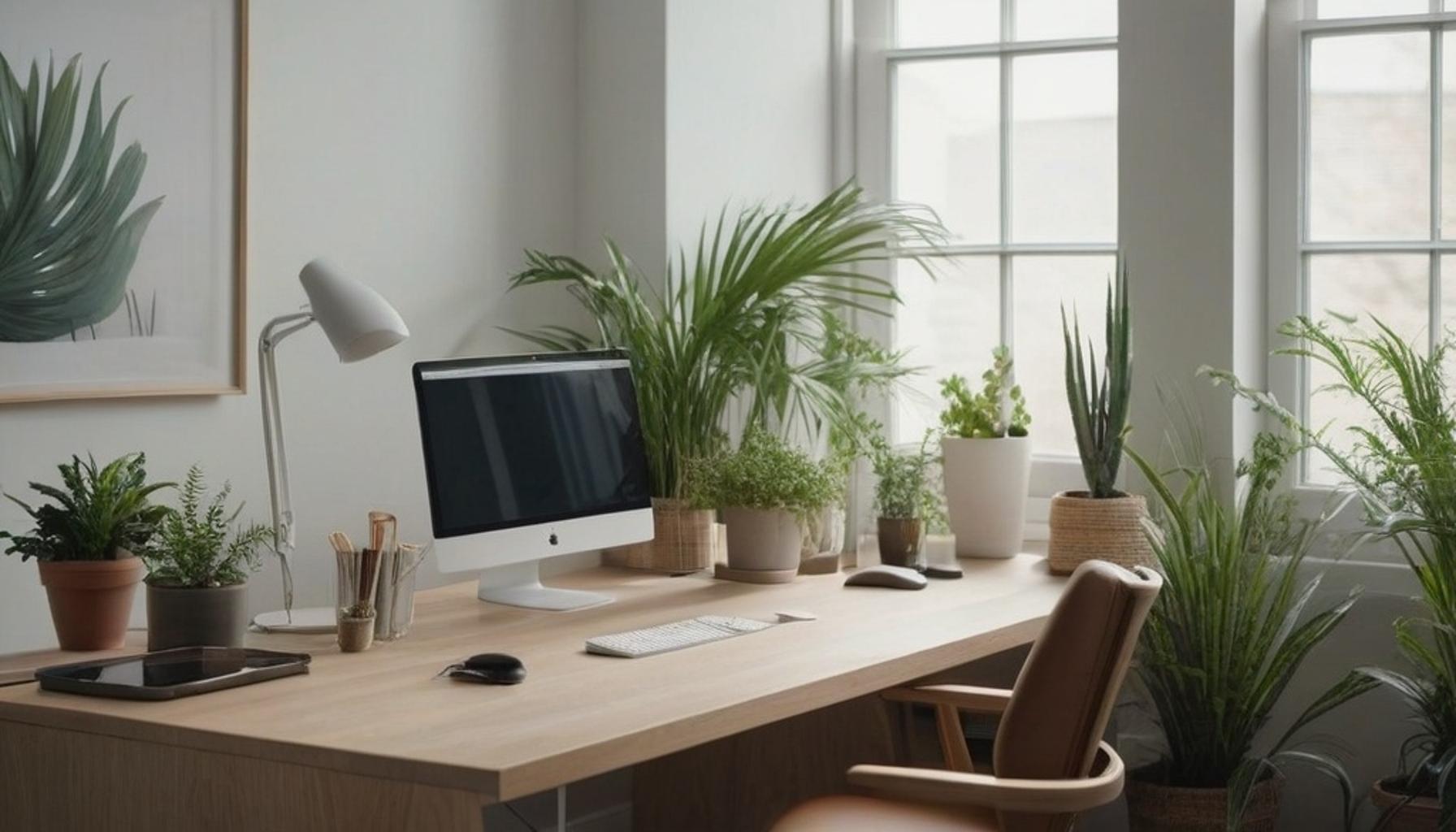
- Home offices: Select ergonomic chairs and adjustable desks that support long-term health, rather than trend-driven furniture with limited lifespan.
This room-specific strategy has gained traction partly because it mirrors how people actually live, rather than forcing an idealized aesthetic onto daily routines.
Data-Driven Insights on Consumer Behavior
A 2023 survey conducted by the National Association of Home Builders revealed that 68% of American homeowners under 40 now prioritize functionality over decorative appeal when furnishing their homes. This marks a notable departure from previous generations, who often valued visual statements over practical use.
Further supporting this trend, resale marketplaces like Facebook Marketplace and Poshmark have reported surges in listings for barely-used decorative items—evidence that impulse-driven purchases frequently fail to align with long-term needs.
These patterns suggest that intentional living isn’t merely a passing aesthetic movement; it reflects a deeper recalibration of consumer priorities. When people invest time in selecting minimalist decor that serves multiple purposes, they report fewer regretful purchases and a stronger sense of control over their living environments.
The broader implication extends beyond individual households. As more Americans document their minimalist transitions on platforms like Instagram and TikTok, they’re inadvertently creating a public case study on how intentional choices ripple outward, influencing friends, family, and even local retail trends.
The Bigger Picture: Why Intentional Choices Matter Beyond Aesthetics
The evidence gathered throughout this discussion points to a clear conclusion: intentional design minimalist objects are reshaping how Americans think about their living spaces. This isn’t about achieving a stark, Instagram-worthy aesthetic. It’s about creating homes that genuinely serve the people living in them.
What started as a niche design philosophy has evolved into a measurable shift in consumer behavior. The 68% statistic from the National Association of Home Builders isn’t just a number—it represents a generational reevaluation of what possessions actually deserve space in daily life.
Rethinking Value in a Consumer-Driven Culture
Perhaps the most compelling takeaway is how minimalist object benefits extend beyond individual satisfaction. When one household adopts functional design principles, the effects often ripple outward, influencing neighbors, family members, and even local secondhand markets.
This raises an interesting question for the future: will mainstream retailers adapt to this demand for purposeful, multi-use products, or will consumers continue seeking alternatives through resale platforms and independent makers?
Some early signs already suggest movement. Furniture companies like Burrow and Floyd have built entire business models around modular, adaptable pieces—directly responding to the same priorities driving this broader minimalist shift.
Moving Forward with Purpose
For readers considering their own transition, the path forward doesn’t require perfection. Start small, apply minimalist lifestyle tips room by room, and prioritize items that genuinely support daily routines.
Ultimately, selecting minimalist decor is less about deprivation and more about clarity. It’s a deliberate rejection of clutter in favor of spaces—and lives—that function exactly as intended.
As this movement continues gaining momentum across the United States, one thing seems certain: intentional living is no longer a fleeting trend, but a lasting recalibration of how people define value in their homes.
Frequently Asked Questions
How does intentional design influence the selection of minimalist furniture?
Intentional design in minimalist furniture focuses on functionality and simplicity, ensuring each piece serves a necessary purpose without excess ornamentation. This approach helps individuals cultivate a refined living space that promotes ease of use and aesthetic clarity.
What are some examples of intentional design in kitchen tools for a minimalist lifestyle?
In a minimalist kitchen, intentional design can be seen in versatile tools like multi-functional cutting boards or measuring cups that nest for compact storage. These choices not only save space but also enhance the cooking experience by providing efficiency and ease of use.
Can intentional design in minimalist objects enhance productivity in a home office?
Yes, intentional design in minimalist office supplies, such as ergonomic chairs and clutter-free desks, can significantly enhance productivity. By reducing distractions and optimizing comfort, these designed elements allow individuals to focus better on their work tasks.
What role does functionality play in choosing intentional design minimalist decor?
Functionality in intentional design ensures that minimalist decor items like decorative storage solutions not only look good but also serve a practical purpose. This balance helps maintain a clean, organized space while enabling easy access to necessary items.
How can intentional design contribute to sustainability when selecting minimalist objects?
Intentional design promotes sustainability by encouraging the selection of high-quality, durable minimalist objects that are built to last. By investing in timeless design rather than fast-paced trends, consumers can reduce waste and promote a more sustainable lifestyle.
Is there a connection between intentional design and emotional well-being in minimalist living?
Yes, intentional design can significantly impact emotional well-being by creating serene and uncluttered environments that promote mindfulness. Minimalist objects that are thoughtfully selected can contribute to a calming atmosphere, thereby enhancing mental clarity and reducing stress.

Linda Carter
Linda Carter is a writer specializing in minimalism and personal organization. With extensive experience helping readers create more functional and balanced routines, she shares practical advice on decluttering, organizing spaces, simplifying daily tasks, and making more intentional choices. Her goal is to offer clear guidance and accessible strategies that help people reduce excess, improve their surroundings, and enjoy a calmer, more organized lifestyle.