Balancing Aesthetics and Functionality: Intentional Design Principles in Minimalist Living
Why Minimalism Is More Than Just Empty Space
Walk into a Scandinavian-inspired apartment in Brooklyn or a tiny house in Austin, and you’ll notice something: every object seems to have a purpose. This isn’t accidental clutter-avoidance; it’s the result of Intentional Design Principles shaping how Americans are rethinking their living spaces.
According to the American Institute of Architects, searches for “minimalist home design” have surged over 60% in the past five years. This growing interest reflects a cultural shift—a desire for spaces that promote tranquility and mindfulness amidst our fast-paced lives. But what does this actually mean for your living room, kitchen, or home office?
The Real Question Behind Minimalist Living
Many people assume that minimalism means sacrificing comfort for style—or vice versa. However, the reality is more nuanced than that. Balancing aesthetics and functionality requires deliberate choices, not merely a reduction in possessions. As more individuals strive to declutter their lives, they discover that minimalism also empowers them to curate their environments thoughtfully.
Consider what separates a beautifully bare room from a chaotic, half-furnished one:
- Every item serves a clear, identifiable purpose.
- Visual clarity supports mental clarity, encouraging a state of peacefulness.
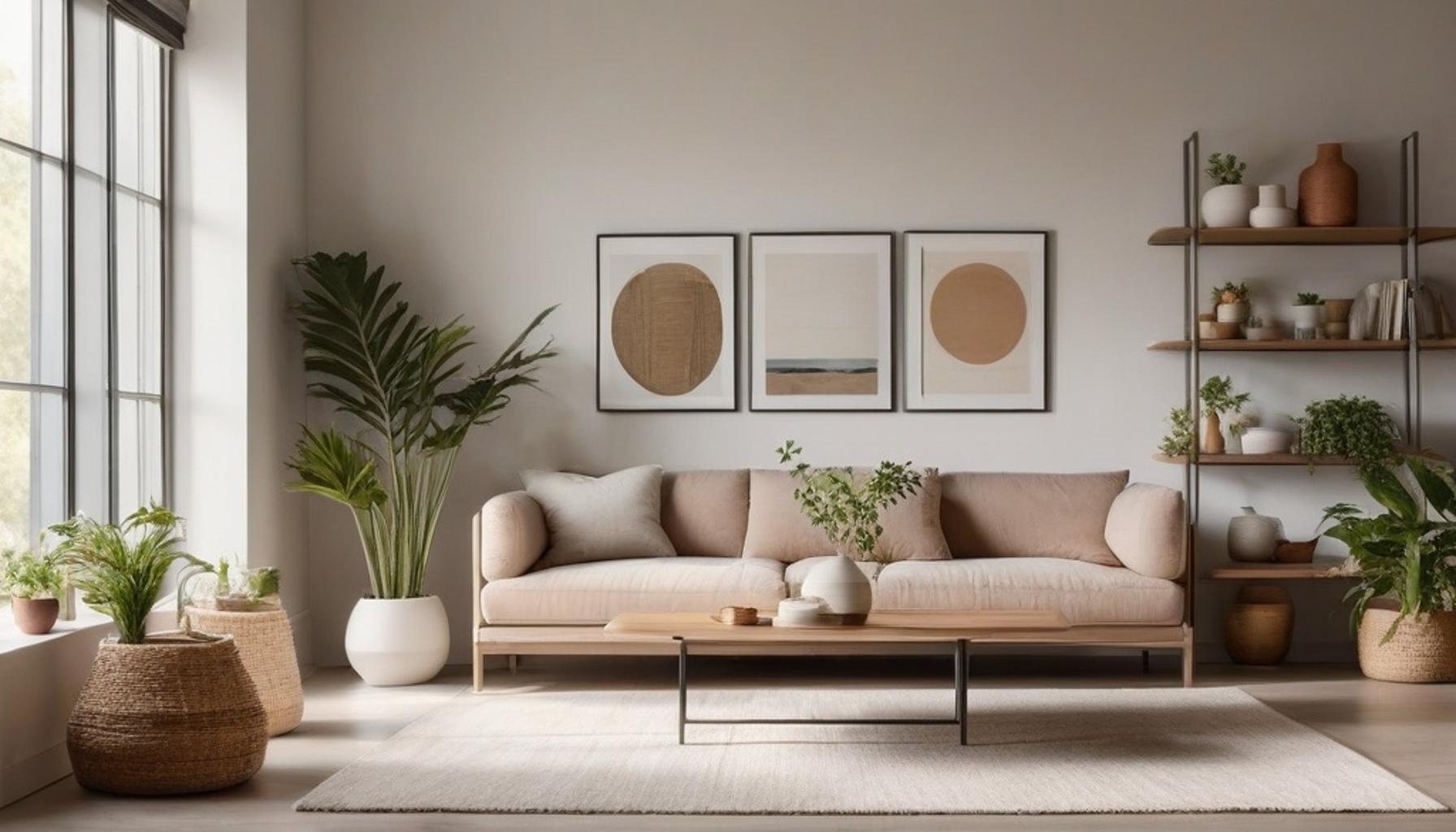
- Materials and textures bring warmth without excess, using organic materials like wood and cotton to foster a sense of comfort.
- Storage solutions remain invisible yet accessible, optimizing space while minimizing visual distractions.
What You’ll Discover Ahead
This article breaks down the core intentional living principles that professional designers use to create spaces that feel both calm and highly functional. You’ll find practical minimalist living tips drawn from real homes across the country, illustrating how minimalism can fit into any lifestyle—from busy urban apartments to sprawling suburban homes.
We will further explore how functional minimalism differs from simply owning less. It’s about enhancing your living experience by prioritizing high-quality, essential items that add value to your life. On the other hand, aesthetic minimalism isn’t merely following trends; rather, it emphasizes designing a home that reflects your authentic self and supports your daily activities.
For example, you might choose a sleek, multifunctional coffee table that doubles as storage rather than a traditional, bulky piece. This choice not only conserves space but also aligns with your lifestyle, demonstrating how thoughtful design intertwines with functionality.
As we delve deeper into the principles of minimalism, you’ll discover how to transform your own space into a sanctuary, where every object, color, and arrangement contributes to a sense of serenity and purpose. Through embracing intentional design principles, you can cultivate an environment that resonates with your unique lifestyle while rejecting unnecessary clutter and distractions.
LEARN MORE: The Psychology of Minimalism: How Intentional Design Can Reduce Stress and Increase Productivity
Step inside any well-designed minimalist home, and you’ll quickly realize that there’s a thoughtful, hidden framework propelling every design choice. Professional designers don’t merely eliminate furniture and call it a day; rather, they adhere to structured intentional living principles that meticulously influence each decision—ranging from the selection of wall color to the choice of cabinet hardware.
According to a 2023 survey by the National Kitchen and Bath Association, 73% of homeowners renovating their spaces identified “simplified, functional design” as their top priority, surpassing even budget considerations. This statistic sheds light on an important shift: Americans are increasingly interested in creating spaces that function effectively in their daily lives, rather than just chasing a Pinterest-perfect aesthetic.
Starting With Function, Then Layering Beauty
The most successful minimalist interiors begin with a question that is rarely asked in traditional design: “What does this room need to do?” Only after clarifying the fundamental functions does the conversation shift toward aesthetics.
This sequence is crucial. Consider a living room in a Denver townhouse that must accommodate a variety of activities—remote work, family movie nights, and yoga sessions—all within 300 square feet. Designers grounded in functional minimalism would ask critical questions including:
- What activities occur daily, weekly, and occasionally?
- Which items are truly essential versus those that are merely convenient?
- How can furniture be designed to adapt to multiple uses while avoiding visual clutter?
- Where can storage be cleverly integrated into the architecture itself?
Once these functional inquiries are addressed, the focus shifts to aesthetic minimalism. This includes curating a cohesive color palette, selecting textures that feel intentional rather than random, and ensuring that negative space enhances the perception of the room rather than leaving it feeling empty or stark.
The 80/20 Rule Designers Swear By
Many interior architects embrace a version of the Pareto Principle, often referred to as the 80/20 rule, to guide their minimalist design strategies. This principle asserts that roughly 80% of daily use comes from just 20% of your possessions. Understanding this insight profoundly shapes how designs are conceived and executed.
Instead of asking, “What items should I remove?” the more insightful question becomes, “What possessions earn their place through frequent and meaningful use?” For example, a cast-iron skillet that is used three times a week undeniably justifies its space in the kitchen. In contrast, a bread maker that only sees action twice a year may warrant a tucked-away position at the back of a cabinet.
This principle demonstrates that finding a balance between aesthetics and functionality isn’t about adhering strictly to minimalism or maximalism; rather, it focuses on ruthless prioritization based on actual behavior rather than aspirational habits or emotional attachments to items.
Designers in cities like Portland and Seattle have popularized this approach through the concept of “capsule interiors.” These spaces are constructed around a limited selection of high-performing, visually harmonious items rather than expansive collections. The outcome is a curated environment that feels purposeful and intentional, as opposed to a stark one that might be misconstrued as an unwelcoming minimalism devoid of character.
Ultimately, the concept of intentional design manifests through a blend of function and aesthetics, creating living environments that not only look good but work better for those inhabiting them. This nuanced approach resonates with a growing number of homeowners who yearn for spaces that reflect their lifestyles in a meaningful manner.
LEARN MORE: The Aesthetics of Minimalism: How Intentional Design Improves Personal Organization
Material Choices That Do Double Duty
Walk through a showroom in Austin or Minneapolis today, and you’ll notice something different from a decade ago: materials are being chosen for performance first, appearance second. This marks a quiet but significant departure from earlier minimalist trends that sometimes prized stark white surfaces over practicality.
Quartz countertops, for instance, have overtaken marble in many minimalist home design projects—not because they photograph better, but because they resist staining and don’t require sealing. The aesthetic appeal follows the functional benefit, not the other way around.
This shift reflects a broader principle within functional minimalism: every material should justify its presence through performance metrics, not just visual trends. Designers now routinely evaluate:
- Durability under daily household stress
- Maintenance requirements relative to a homeowner’s lifestyle
- Long-term cost versus short-term visual appeal
- How the material ages over five, ten, or fifteen years
A 2022 report from the American Society of Interior Designers found that 68% of clients now request material samples with maintenance data attached, a notable increase from previous years. This suggests homeowners are becoming more sophisticated consumers, unwilling to sacrifice practicality for a fleeting design trend.
Lighting as a Functional Design Tool
Few elements demonstrate intentional design principles as clearly as lighting. In minimalist spaces, where visual clutter is already reduced, lighting takes on outsized importance in shaping mood, functionality, and perceived space.
Designers working within this philosophy typically layer three types of lighting: ambient, task, and accent. Rather than defaulting to a single overhead fixture, they map out how a room will actually be used throughout the day.
A home office in a Chicago apartment, for example, might combine a dimmable ambient ceiling light with a focused task lamp positioned to reduce screen glare, plus subtle accent lighting that highlights architectural features after dark. This layered approach avoids the harshness often associated with stripped-down interiors.
Natural light also plays a starring role. Homeowners embracing minimalist living tips increasingly orient furniture and mirrors to maximize daylight penetration, reducing reliance on artificial sources during peak hours. This isn’t just an aesthetic preference—the National Institute of Building Sciences has linked natural light exposure to improved productivity and mood regulation.
Why Texture Matters More Than Color
One misconception about aesthetic minimalism is that it requires a monochromatic palette. In practice, seasoned designers rely heavily on texture to create warmth and depth without introducing visual noise.
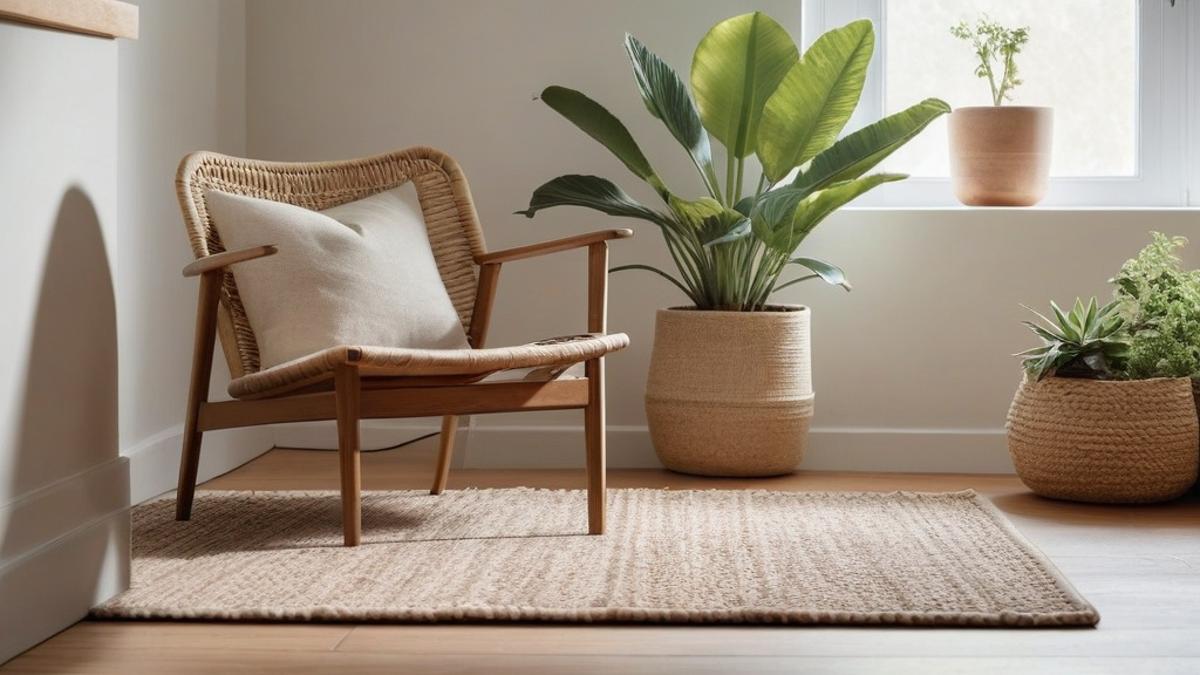
A neutral living room might combine a boucle armchair, a linen sofa, and a jute rug—all within a similar color family, yet each offering distinct tactile experiences. This technique keeps a space from feeling sterile while still honoring the core tenets of balancing aesthetics and functionality.
Textiles also serve practical purposes. Performance fabrics, once reserved for outdoor furniture, are now common in minimalist living rooms specifically because they resist spills and wear, proving once again that thoughtful function and considered beauty aren’t mutually exclusive.
SEE ALSO: Intentional Design in Small Spaces: Minimalist Solutions to Maximize Functionality
Rethinking What Minimalism Really Means
From quartz countertops to layered lighting schemes, the story emerging across American homes is consistent: intentional design principles now outweigh trend-driven choices. Homeowners in Austin, Chicago, and Minneapolis alike are asking harder questions before committing to a material, fixture, or fabric.
This is the essence of functional minimalism—a philosophy that treats simplicity not as an aesthetic endpoint, but as a byproduct of smart decision-making. Every surface, every light source, every textile earns its place by solving a real problem.
What’s notable is how this approach has matured. Early minimalist design sometimes confused emptiness with intention, leaving spaces feeling cold or impractical. Today’s version, informed by data like ASID’s material-maintenance findings, reflects a more grounded understanding of how people actually live.
Applying These Principles at Home
For readers looking to apply minimalist living tips in their own spaces, the throughlines are clear:
- Choose materials based on long-term performance, not just showroom appeal
- Layer lighting to match how a room is used throughout the day
- Use texture, not just color, to create visual depth
- Prioritize daylight and natural elements wherever possible
None of these steps require a complete renovation. Small, deliberate swaps—a performance fabric here, a dimmer switch there—can shift a space toward genuine aesthetic minimalism without sacrificing comfort.
Ultimately, balancing aesthetics and functionality isn’t about choosing one over the other. It’s about recognizing that good design, at its core, has always been about solving problems gracefully. As more homeowners adopt these intentional living principles, minimalist design is proving itself less a passing trend and more a lasting, practical philosophy for modern life.
Frequently Asked Questions
What are the key intentional design principles for achieving a minimalist living space?
Key intentional design principles for minimalist living include simplicity, functionality, and harmony. Designers emphasize the use of clean lines, neutral colors, and the elimination of clutter to create a serene atmosphere that serves its purpose without unnecessary distractions.
How can I incorporate intentional design principles in a small apartment?
In a small apartment, you can incorporate intentional design principles by choosing multifunctional furniture that maximizes space, such as a sofa bed or storage ottoman. Additionally, using light colors and strategically placing mirrors can create an illusion of more space, enhancing both aesthetics and functionality.
What role does color play in the intentional design principles of minimalist living?
Color plays a crucial role in intentional design principles by affecting mood and perception. In minimalist living, a palette of neutral tones or monochromatic shades is often used to create a calming environment, allowing for a focus on the space’s functionality without overwhelming the senses.
How do intentional design principles influence the selection of decor in minimalist spaces?
Intentional design principles encourage the selection of decor that is both meaningful and functional. Instead of filling a space with non-essential items, minimalist decor focuses on art or objects that serve a purpose or evoke emotion, maintaining a balance between aesthetics and functionality.
Can intentional design principles be applied to outdoor spaces as well?
Yes, intentional design principles can be effectively applied to outdoor spaces by creating serene environments that blend functionality with natural elements. Using simple landscaping, well-placed seating, and minimalistic decor can enhance both the aesthetic appeal and usability of outdoor areas, promoting a peaceful retreat.

Linda Carter
Linda Carter is a writer specializing in minimalism and personal organization. With extensive experience helping readers create more functional and balanced routines, she shares practical advice on decluttering, organizing spaces, simplifying daily tasks, and making more intentional choices. Her goal is to offer clear guidance and accessible strategies that help people reduce excess, improve their surroundings, and enjoy a calmer, more organized lifestyle.