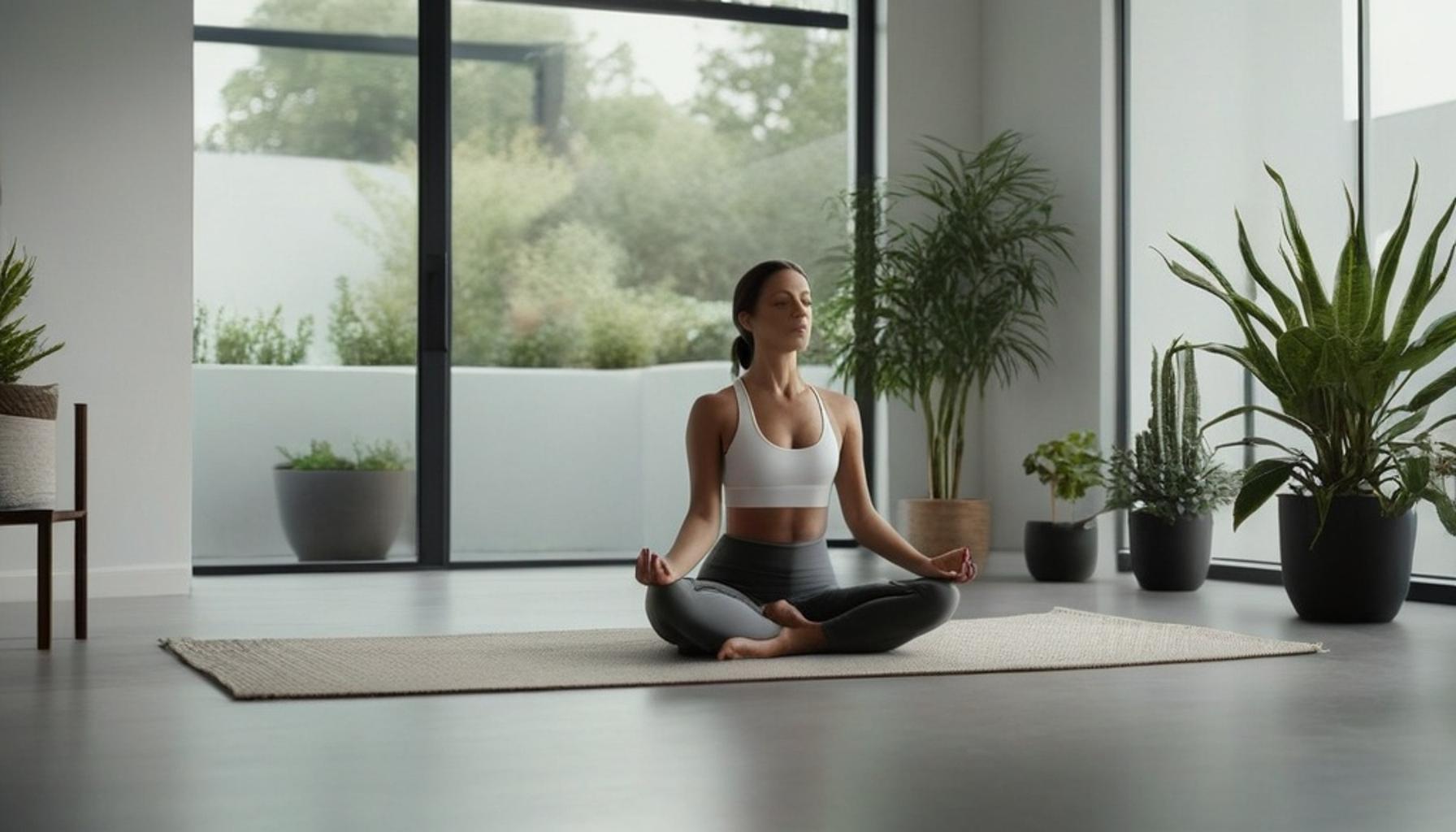
Mindfulness and Simplified Living: Cultivating Peace Through Less

Finding Calm in a Cluttered World
Americans own more possessions than any generation before them, yet surveys show stress and anxiety levels continue to climb. Something isn’t adding up. The average U.S. household contains over 300,000 items, according to the LA Times, but more stuff hasn’t meant more happiness.
This paradox is fueling a quiet revolution. Across the country, people are discovering that Mindfulness and Simplified Living offers a practical antidote to modern overwhelm. It’s not about deprivation—it’s about intention.
Why This Movement Matters Now
The pandemic forced millions to slow down and reassess what truly matters. Many found that cultivating peace through mindfulness was easier once they cleared away physical and mental clutter.
Consider what this shift typically involves:
- Reducing daily decision fatigue through fewer possessions
- Creating designated tech-free hours to reconnect with the present moment
- Practicing intentional spending instead of impulse purchases
- Building simple morning rituals that ground the mind before chaos begins
These aren’t abstract concepts. They’re actionable habits reshaping how people in cities from Portland to Austin approach daily life.
What This Article Will Explore
Research increasingly supports the benefits of mindfulness paired with minimalist principles, from lower cortisol levels to improved focus. We’ll examine the science, along with real simplified living tips you can start using today.
This isn’t a call to abandon modern comforts. It’s an invitation to discover how decluttering for mental peace might be the missing piece in your search for balance.
CHECK OUT: Strategies for Domestic Organization for a Minimalist and Calming Environment
# The Science Behind Less: What Researchers Are DiscoveringNeuroscientists at Princeton University found something striking in 2011: visual clutter directly competes for attention in the brain’s visual cortex. Fewer objects in your field of view literally means more cognitive resources available for focus.This finding helps explain why minimalism and mindfulness have become such natural partners. When there’s less to process, there’s more room to simply be present.The data continues to accumulate. A 2022 study published in the Journal of Environmental Psychology linked cluttered home environments to elevated cortisol levels, particularly in women. Meanwhile, UCLA researchers have documented that Americans with visibly disorganized homes report higher rates of depression and fatigue than those in simplified spaces.
The Mental Load No One Talks About
Every object you own asks something of you. It needs cleaning, storing, insuring, or eventually discarding.Psychologists call this phenomenon “decision fatigue,” and it’s a hidden cost of overconsumption. Consider the numbers:
- The average American makes over 35,000 decisions daily, according to Cornell University research
- Each unnecessary possession adds micro-decisions about placement, maintenance, and value
- Digital clutter—unread emails, cluttered desktops, endless notifications—compounds this mental tax
- Studies show decision fatigue leads to poorer choices later in the day, including impulsive spending
This is where cultivating peace through mindfulness becomes more than a wellness buzzword. It’s a direct response to measurable psychological strain.
Beyond the Buzzword: What Simplified Living Actually Looks Like
Simplified living isn’t about owning nothing. It’s about owning what serves a purpose, whether functional or genuinely joyful.Take the case of Seattle-based therapist Rachel Kern, who has counseled clients through what she calls “clutter therapy” since 2019. Her clients typically start with one drawer, one closet shelf, or one email inbox. Small wins build momentum.The benefits of mindfulness paired with this approach compound over time. Clients report better sleep, reduced anxiety, and—perhaps unexpectedly—stronger relationships, since they spend less mental energy managing possessions and more energy engaging with people.This isn’t anecdotal wishful thinking. It’s a pattern showing up in therapy offices, research labs, and living rooms across the country, from Boston brownstones to Los Angeles bungalows.
YOU MAY ALSO LIKE: Uncomplicating Life: Practices of Simplified Living to Reduce Stress
# The Practice of Intentional Reduction: Where Mindfulness Meets MethodSimplifying a life isn’t a weekend project. It’s a discipline that borrows heavily from contemplative traditions while addressing distinctly modern problems.
Mindful Consumption as a Daily Practice
Buddhist monks have practiced non-attachment to material goods for over 2,500 years. Today’s practitioners of mindfulness and simplified living are essentially applying ancient wisdom to twenty-first-century excess.The difference now is scale. The average American household contains 300,000 items, according to the LA Times, and self-storage has become a $39 billion industry in the United States. Something has clearly gone sideways between what we own and what we actually need.Mindful consumption offers a corrective. Before each purchase, practitioners ask themselves a few grounding questions:
- Will this item still matter to me in six months?
- Am I buying this to solve a problem or to soothe a feeling?
- Does this object require ongoing maintenance I haven’t accounted for?
- Could I borrow, rent, or share this instead of owning it outright?
This pause, however brief, interrupts the automatic buying patterns retailers are engineered to exploit.
Simplified Living Tips That Actually Stick
Not every decluttering method survives contact with real life. The “one-in, one-out” rule, popular among minimalists, works well for clothing and books but rarely translates to more complex categories like sentimental items or shared household goods.More durable approaches tend to be gradual. Marie Kondo’s method, despite its viral fame, actually emphasizes slow, category-based sorting rather than dramatic overnight purges.Organizational psychologists at the University of Michigan have found that decluttering for mental peace works best when tied to specific triggers, such as decluttering one shelf every Sunday morning rather than attempting an entire house in a single exhausting weekend.
The Financial Argument No One Mentions
There’s an economic angle to this conversation that rarely gets airtime. Americans spend an average of $1,700 annually on impulse purchases, according to a Slickdeals survey, many of which end up contributing to the very clutter that research links to elevated stress.Minimalism and mindfulness together create a feedback loop: spending less mindfully results in fewer possessions, which reduces cognitive load, which in turn makes future purchasing decisions clearer and less impulsive.Financial therapists have started incorporating these principles directly into client sessions, recognizing that clutter and debt often share the same psychological root: an attempt to fill an emotional gap with material acquisition.
LEARN MORE: Minimalism in Practice: Creating a Daily Routine with Less Clutter
Cultivating Peace Through Less: What the Research Really Tells Us
The evidence keeps pointing to the same conclusion: Mindfulness and Simplified Living aren’t fleeting lifestyle trends but responses to a genuine mismatch between how much modern Americans accumulate and how much their minds can actually process.
From the 300,000 items crowding the average household to the $39 billion self-storage industry propping up our overflow, the numbers describe a culture quietly buckling under its own possessions.
Small Shifts, Measurable Results
What stands out across psychology, finance, and contemplative practice is consistency. Sunday-morning decluttering sessions. A pause before checkout. A single question asked before a purchase becomes permanent.
None of these simplified living tips require dramatic upheaval. They require repetition.
That’s arguably the most encouraging finding here. Cultivating peace through mindfulness doesn’t demand monastic discipline or a minimalist Instagram aesthetic. It demands attention, applied consistently to ordinary decisions most people make on autopilot.
A Different Way to Measure Wealth
Perhaps the most overlooked point is how minimalism and mindfulness reframe the definition of abundance itself.
Financial therapists now treating clutter and debt as symptoms of the same underlying pattern suggests something worth sitting with: acquisition was never really about the object.
The benefits of mindfulness, paired with fewer possessions and clearer spending habits, point toward a quieter kind of wealth, one measured in mental bandwidth rather than square footage.
Whether that reframing sticks nationally remains uncertain. But the households already testing it report something increasingly rare: rooms that feel calm, minds that feel clear, and a noticeably lighter relationship with the things they choose to keep.
Frequently Asked Questions
How can mindfulness practices enhance the benefits of simplified living?
Mindfulness practices, such as meditation and deep breathing, can help you develop greater awareness of your thoughts and feelings. By incorporating mindfulness into your daily routine, you can better identify the clutter—both mental and physical—that disrupts your peace. This heightened awareness supports your journey towards simplified living by helping you focus on what truly matters.
What are some practical steps to start mindfulness and simplified living today?
Begin by decluttering your physical space, removing items that no longer serve a purpose or bring you joy. Pair this with mindfulness exercises, like taking a few moments each day to breathe and reflect, which can help shift your focus away from material possessions. Gradually incorporate minimalist practices into your lifestyle, such as simplifying your schedules and possessions.
Can practicing mindfulness alone lead to a simplified lifestyle?
While mindfulness is a powerful tool for promoting clarity and focus, it often works best when paired with intentional actions towards simplification. Mindfulness helps you understand your relationship with possessions and time, but taking concrete steps to reduce clutter and distractions is essential for achieving a truly simplified lifestyle. Together, they create a harmonious balance that fosters lasting peace.
How does simplified living contribute to overall mental health and well-being?
Simplified living can significantly reduce stress and anxiety by creating a more organized and calming environment. When you have fewer distractions and commitments, you can focus on self-care and relationships that nourish your well-being. This clarity allows for better mental health, enabling you to engage more fully in mindfulness practices and cultivate a greater sense of peace.

Linda Carter
Linda Carter is a writer specializing in minimalism and personal organization. With extensive experience helping readers create more functional and balanced routines, she shares practical advice on decluttering, organizing spaces, simplifying daily tasks, and making more intentional choices. Her goal is to offer clear guidance and accessible strategies that help people reduce excess, improve their surroundings, and enjoy a calmer, more organized lifestyle.