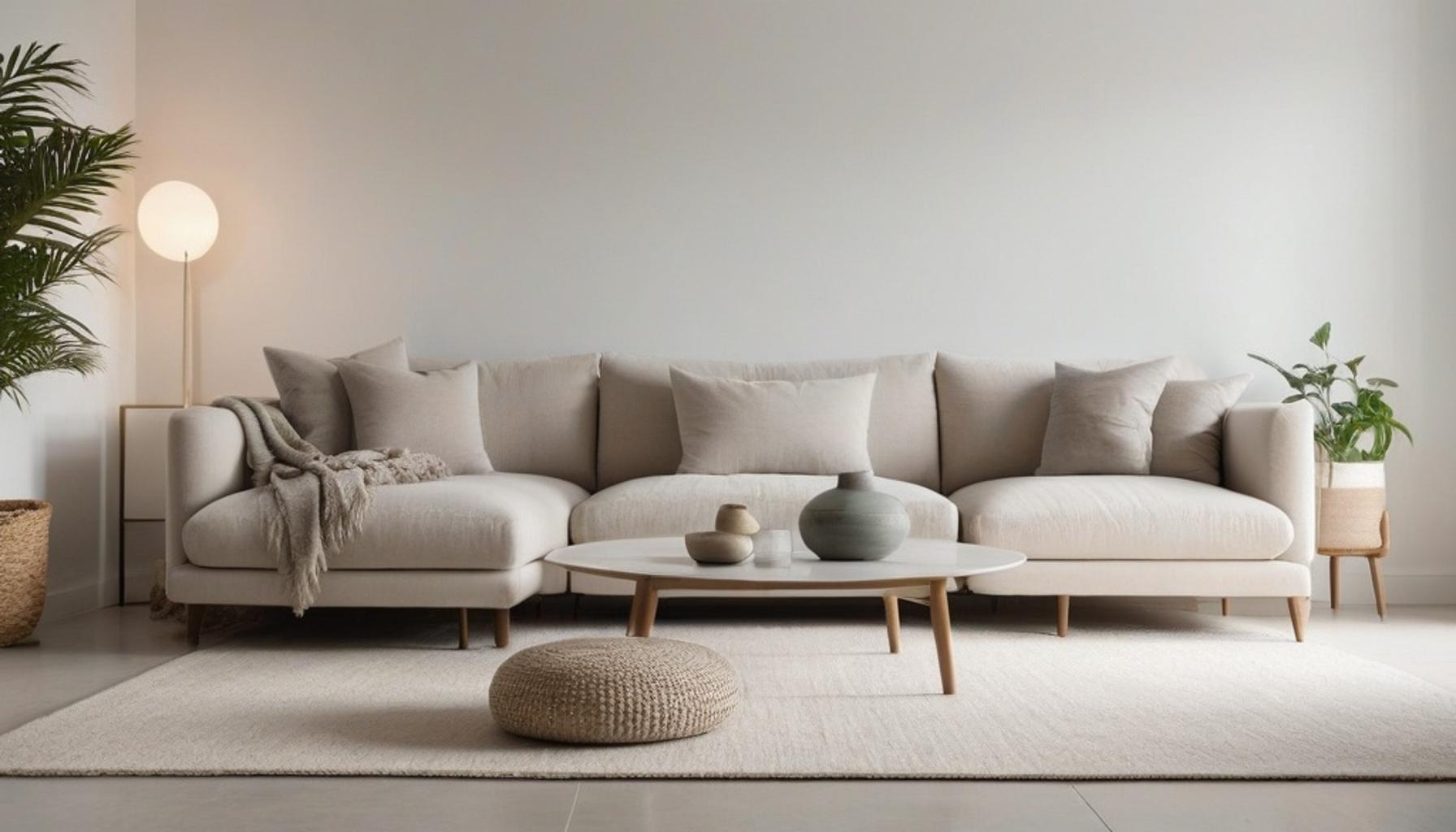
The Art of Letting Go: How Simplified Living Can Transform Your Space and Your Life
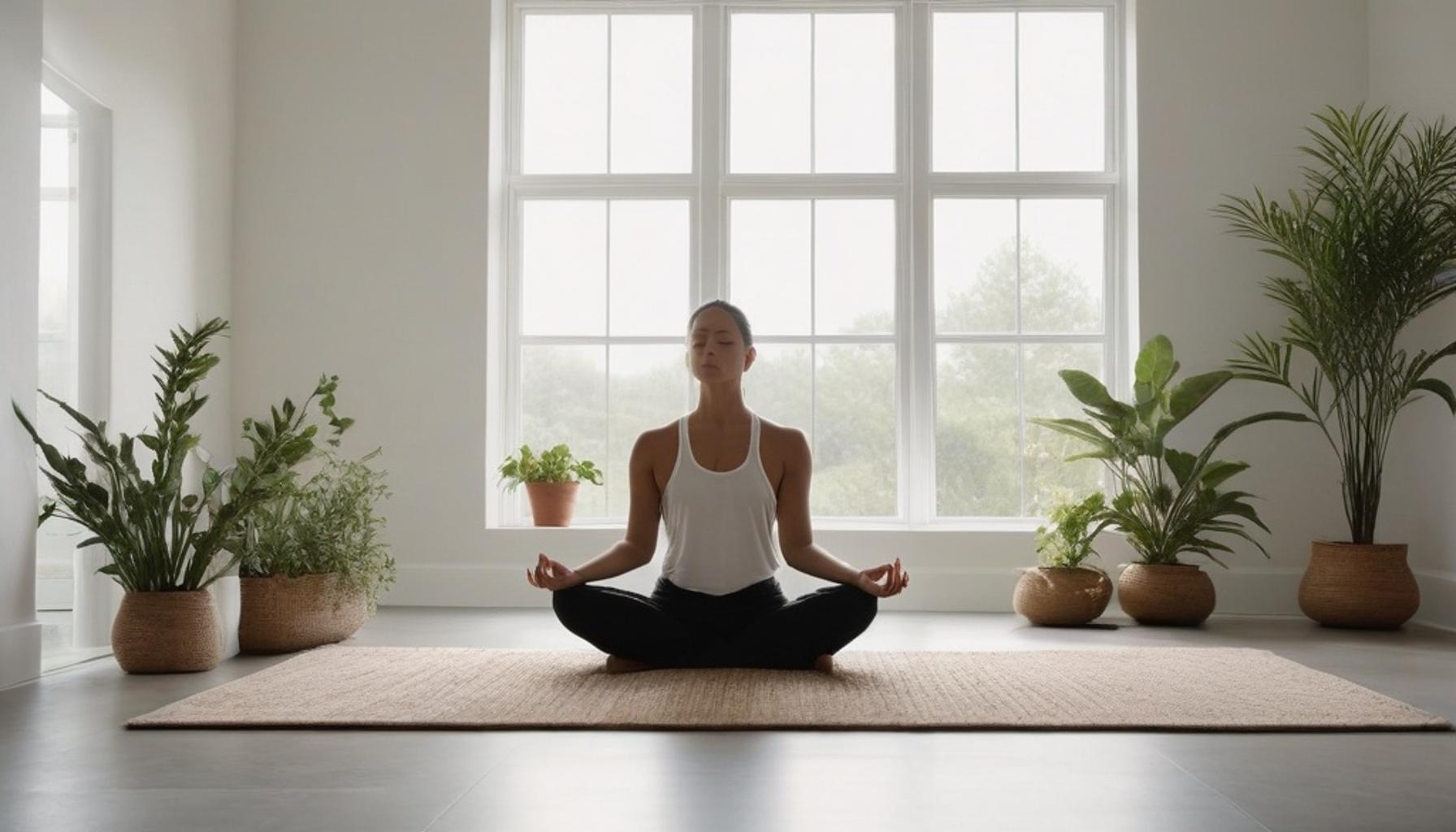
Why Americans Are Rethinking Their Relationship With Stuff
Recent studies highlight that the average American household contains over 300,000 items, according to the LA Times. This surprising statistic is not just a reflection of consumer culture; it signifies a growing burden that many individuals feel in their daily lives. As a result, an increasing number of people are turning toward simplified living as a vehicle for reclaiming both their homes and their mental well-being.
Across the diverse landscape of the United States—from tiny urban apartments in Brooklyn, teeming with echoes of creativity, to expansive suburban homes in Texas, filled with family memorabilia—the movement is consistent and clear: embracing minimalism shows that less can truly mean more. This cultural shift is more than just a fleeting trend; it is developing into a robust lifestyle movement with a passionate following and notable momentum.
What This Article Will Explore
Releasing oneself from the grip of clutter isn’t merely about tidying up—it represents a quest to create space for what truly matters. To understand this deeper, we will delve into several key aspects:
- The psychological triggers that create our attachment to possessions, often rooted in emotions or memories.
- Practical decluttering tips that promote sustainable lifestyle changes, aimed at helping individuals maintain organized spaces over time.
- Strategies for transforming your space room by room, ensuring that the process feels manageable rather than overwhelming.
- The surprising benefits of adopting a minimalist lifestyle, which research supports as enhancing overall well-being.
Research indicates that cluttered environments can contribute to elevated cortisol levels, which may lead to increased stress and reduced focus, particularly in women. In contrast, simplified living spaces are associated with improved sleep quality and lower anxiety. These benefits not only enhance daily life but also contribute to long-term mental health.
This phenomenon extends beyond simple home organization; it’s an exploration into the art of letting go. Mastering this art might not only transform your home but could ultimately alter the way you live, think, and breathe. As people engage with their belongings in new ways—considering what they truly cherish versus what has simply accumulated—they may find emotional and psychological freedom. The journey of decluttering becomes a path toward a clearer, more intentional life.
CHECK OUT: Mindfulness and Simplified Living: Cultivating Peace Through Less
The Hidden Psychology Behind Our Cluttered Closets
Before anyone can successfully let go of clutter, it helps to understand why we hold on in the first place. Psychologists point to a phenomenon called the endowment effect—the tendency to overvalue items simply because we own them. That worn concert t-shirt from a 2007 tour or the stack of unread cookbooks in the kitchen isn’t just fabric and paper; it’s tied to identity, nostalgia, and sometimes fear of scarcity.
This emotional wiring explains why decluttering often feels less like organizing and more like negotiating with your own memories. According to consumer behavior researchers, three main triggers drive accumulation in American households:
- Sentimental attachment — holding onto gifts, heirlooms, or souvenirs tied to specific people or life events.
- “Just in case” thinking — keeping items based on imagined future needs rather than actual use.
- Identity signaling — surrounding ourselves with possessions that reflect who we want to be, from unused gym equipment to untouched art supplies.
Recognizing these patterns is often the first real step toward simplified living. It’s not about willpower alone—it’s about understanding the emotional logic that keeps closets full and drawers overflowing.
Clutter’s Quiet Toll on Everyday Life
The consequences of unchecked accumulation go beyond aesthetics. A study published by Princeton University Neuroscience Institute found that visual clutter competes for attention in the brain, making it harder to focus and process information efficiently. In practical terms, a messy home office might be quietly sabotaging productivity long before anyone notices the connection.
There’s also a financial dimension many overlook. The National Association of Professional Organizers estimates that the average American spends nearly 55 minutes a day searching for misplaced items—amounting to roughly 12 full days a year. Multiply that across a household, and the hidden cost of disorganization becomes strikingly clear.
What makes this especially relevant now is the cultural moment. Rising housing costs in cities like San Francisco and New York have shrunk average living spaces, while remote work has blurred the line between home and office. Suddenly, every square foot matters more than it used to, pushing many toward practical decluttering tips not as an aesthetic choice, but as a necessity.
Understanding this psychological and practical backdrop sets the stage for real change. Once the “why” behind clutter becomes clear, the “how” of transforming your space feels far less daunting—and far more achievable for anyone ready to begin.
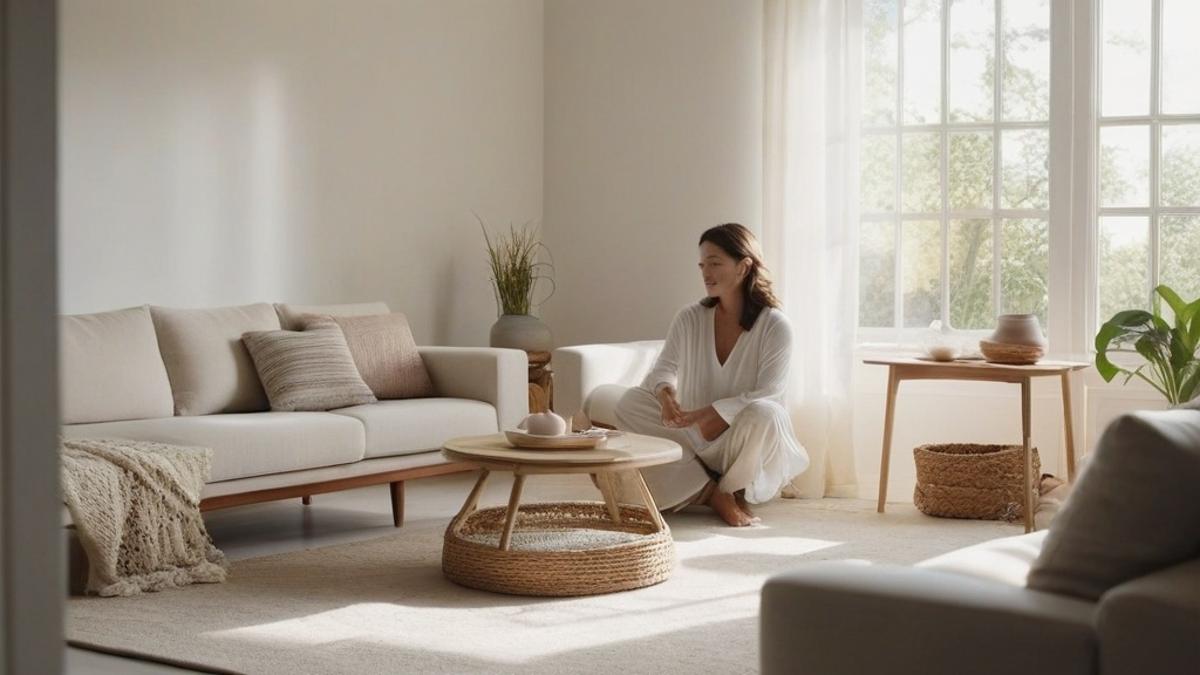
RECOMMENDED: The Art of Letting Go: How to Simplify Your Life Through Minimalism
From Overwhelmed to Organized: The Science-Backed Benefits of Minimalist Living
Once the psychological roadblocks are identified, the next question becomes practical: what actually happens when people commit to a minimalist lifestyle? The answer, according to researchers and everyday converts alike, is more dramatic than most expect.
A 2021 study from UCLA’s Center on Everyday Lives and Families found that women who described their homes as cluttered showed higher cortisol levels throughout the day compared to those who described their spaces as restful. Cortisol, the body’s primary stress hormone, doesn’t just affect mood—it’s linked to sleep disruption, weight gain, and long-term cardiovascular strain. In other words, that pile of mail on the counter might be doing more damage than a messy aesthetic.
The reverse is equally telling. People who successfully let go of clutter often report benefits that extend far beyond tidier shelves:
- Improved sleep quality — a National Sleep Foundation poll found that people who make their beds and keep bedrooms clutter-free are significantly more likely to report consistently good sleep.
- Lower household stress — fewer decisions about where things belong means less daily friction, especially in shared spaces like kitchens.
- Increased physical activity — open floor space, whether in a Brooklyn apartment or a Texas suburban home, naturally invites movement and use.
What “Enough” Actually Looks Like in Practice
Simplified living doesn’t mean adopting an all-white apartment with a single chair, despite what social media might suggest. For most American households, it’s far more nuanced—and far more livable.
Take the “one-in, one-out” rule, popular among professional organizers in cities like Chicago and Denver: for every new item brought home, one existing item leaves. This single habit prevents the slow creep of accumulation without requiring dramatic overhauls.
Another widely tested approach comes from Marie Kondo’s methodology, which asks whether an item “sparks joy.” Critics note this can feel vague, but the underlying principle—evaluating possessions based on genuine value rather than habit—remains one of the most effective decluttering tips available.
Financial planners have also started weighing in. Some now recommend clients calculate the “true cost” of unused possessions, factoring in storage unit fees, which average around $180 a month nationally, according to SpareFoot data. For many, seeing that number in writing is the final push needed to transform your space for good.
These findings suggest that the art of letting go isn’t a fleeting trend—it’s a measurable shift in how people experience their homes, their finances, and even their physical health.
The Bottom Line: Less Really Can Mean More
Across every angle explored here—the psychology of attachment, the biology of stress, and the everyday habits of people who’ve made the switch—one truth keeps surfacing: simplified living is less about minimalism as an aesthetic and more about reclaiming control. The clutter was never really about the stuff. It was about decisions deferred, memories tangled up in objects, and comfort mistaken for accumulation.
What the research and real-world examples make clear is that the minimalist lifestyle benefits extend well past a tidy countertop. Lower cortisol levels, better sleep, fewer arguments over shared spaces, and even measurable savings on storage costs all point to the same conclusion: what we own ends up owning a piece of our daily bandwidth, whether we notice it or not.
None of this requires an extreme purge or a Pinterest-perfect white room. It requires small, repeatable choices—the one-in, one-out rule, an honest audit of what still serves a purpose, a willingness to ask why an item is being kept in the first place.
For readers ready to let go of clutter, the starting point doesn’t need to be dramatic. A single drawer. One closet. A junk shelf in the garage. The decluttering tips covered throughout this piece work because they’re incremental, not because they demand perfection.
Ultimately, the art of letting go is less about subtraction and more about clarity—making space, literally and mentally, for what actually matters. Whether the goal is better sleep, lower stress, or simply a home that feels like it belongs to its owner again, the evidence suggests the same starting point: pick one space, and begin. The rest, as thousands of households across the country have discovered, tends to follow.
Frequently Asked Questions
What exactly is simplified living and how can it benefit my home environment?
Simplified living is the practice of decluttering and minimizing possessions to create a more organized and serene living space. By reducing physical items, you can experience less stress, improved mental clarity, and a greater appreciation for what you own, ultimately transforming your home into a peaceful sanctuary.
How do I start the process of simplified living in my home?
To begin simplified living, start with one area or room at a time. Assess your belongings critically; decide what you truly need and what brings you joy. Gradually declutter by donating or disposing of items that no longer serve a purpose, and establish a habit of mindful consumption to prevent future clutter.
Can simplified living really affect my mental health and overall quality of life?
Yes, simplified living can significantly improve your mental health by reducing stress and anxiety associated with clutter. A streamlined, organized space allows for greater focus and peace, leading to increased productivity and overall well-being as you create an environment that supports your goals and values.
What are some key principles to follow when embracing a simplified living lifestyle?
Key principles of simplified living include prioritizing functionality over aesthetics, adopting a minimalist mindset, and regularly evaluating your possessions. Commit to keeping only items that are functional, meaningful, or bring you joy, and ensure that your living space reflects your current lifestyle needs without excess.
Is simplified living suitable for families with children or pets?
Absolutely! Simplified living can be adapted for families by focusing on functional storage solutions and age-appropriate organization practices. Teaching children about decluttering can instill lifelong habits, while creating designated spaces for pets can help maintain a harmonious living environment that benefits everyone.

Beatriz
Beatriz Johnson is a seasoned minimalist and writer with a passion for simplifying the complexities of personal organization and intentional living. With over a decade of experience in decluttering strategies and mindful consumption, she specializes in topics like space optimization, habit simplification, and sustainable lifestyle choices. Through her work on our website, Beatriz empowers readers to embrace minimalism, reduce mental and physical clutter, and create more meaningful, organized lives in today's fast-paced world.