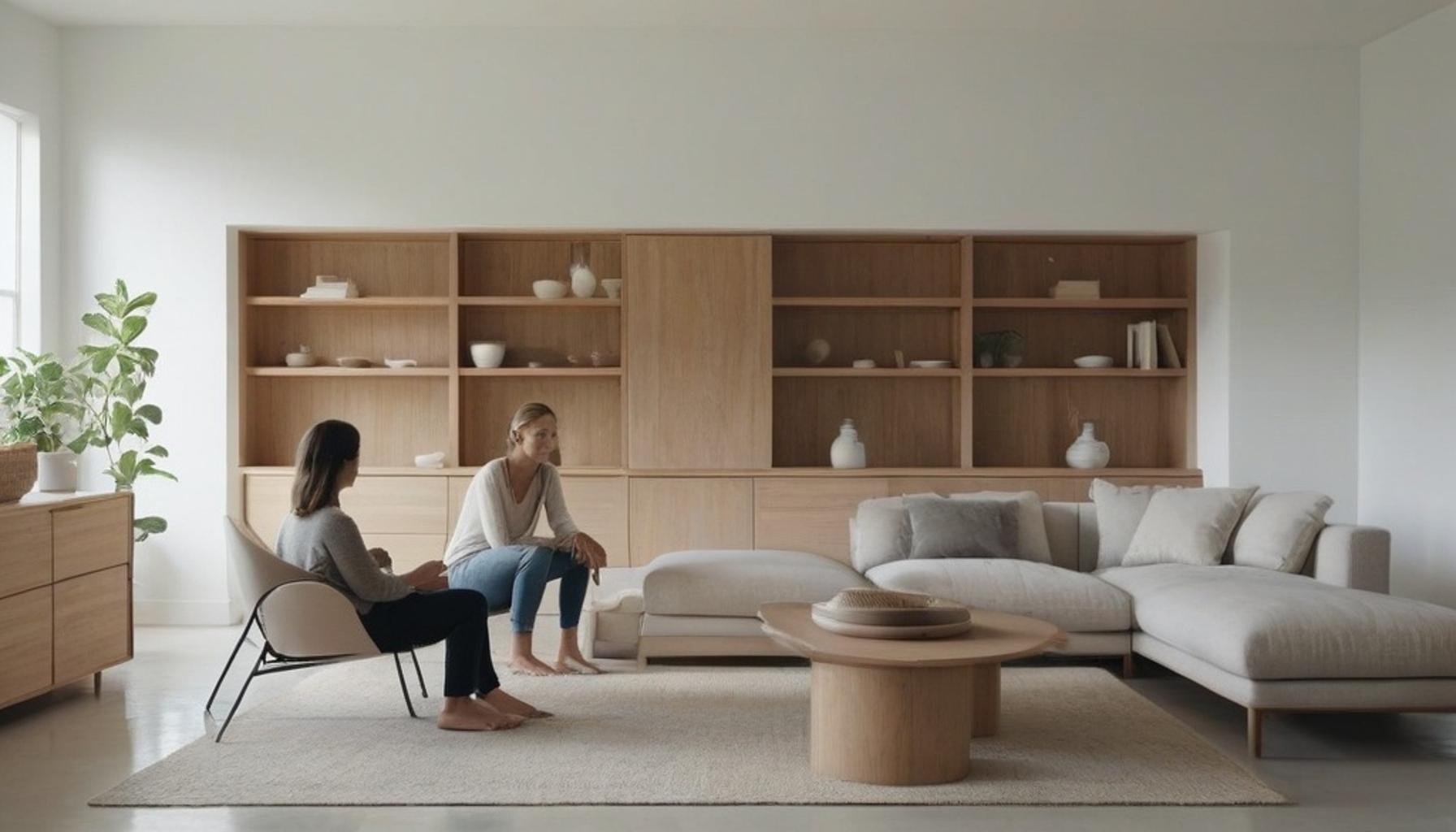
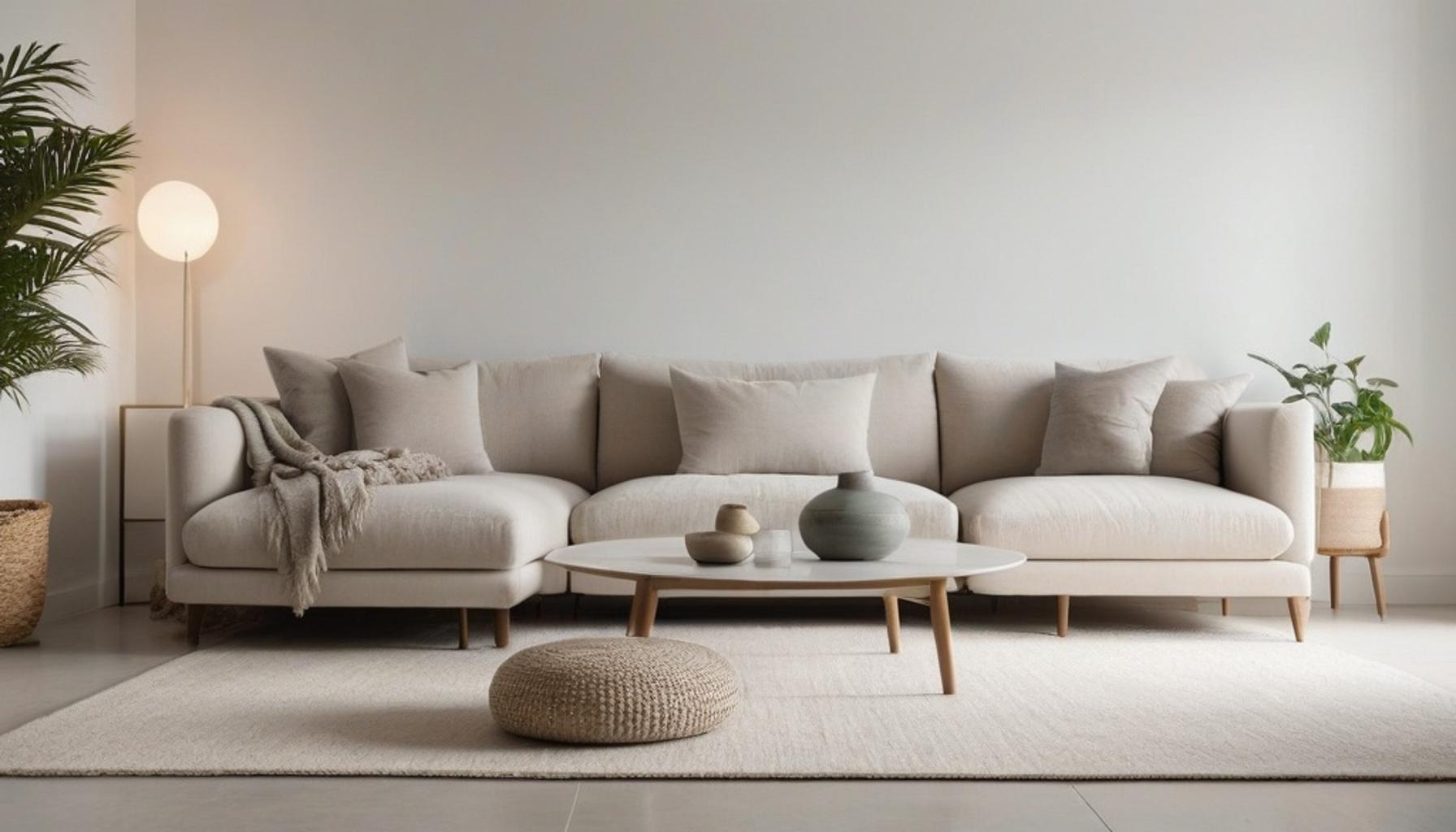
Practical Steps to Transition to a Simplified Living Space in a Busy Lifestyle
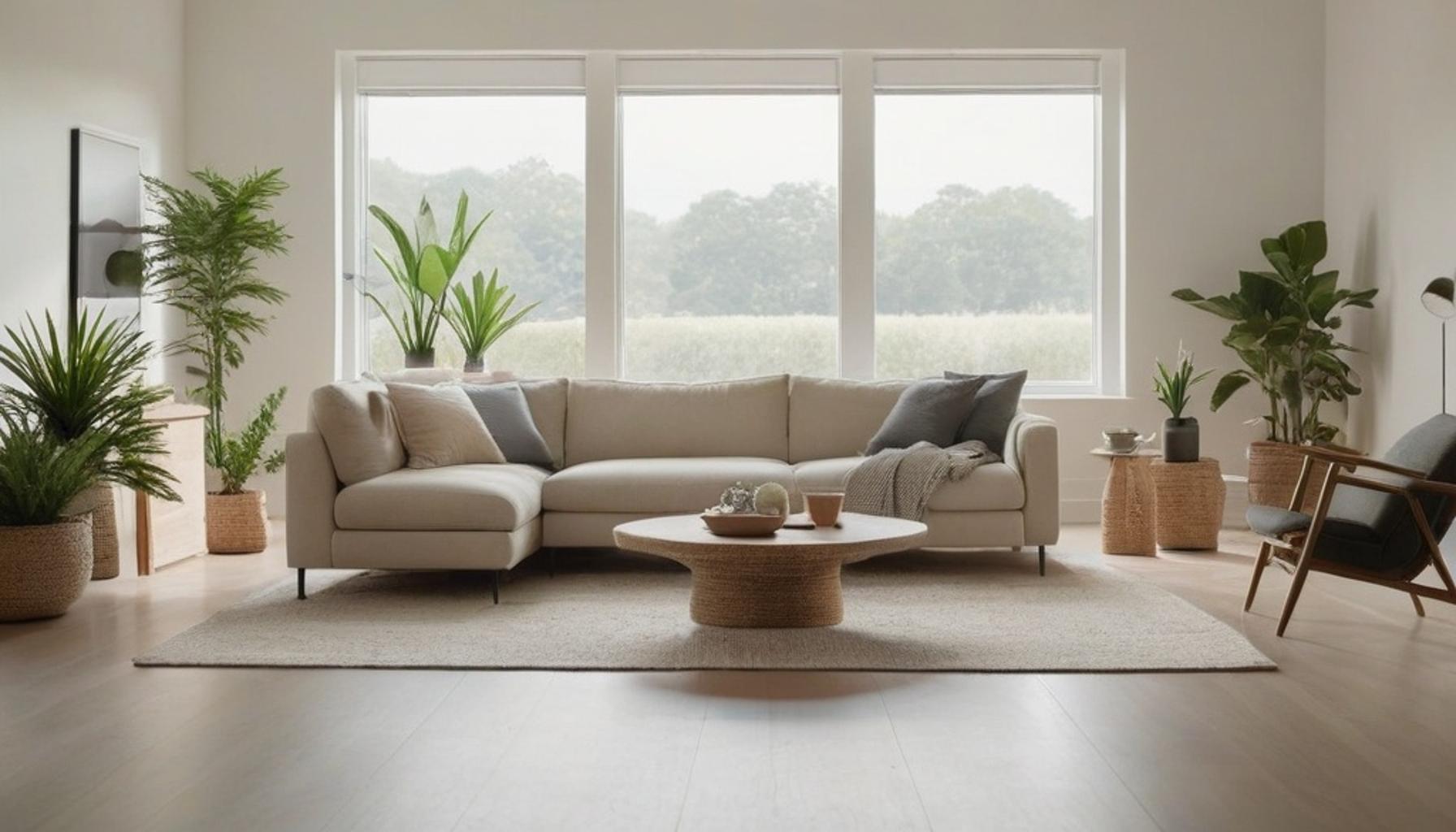
Why a Simplified Living Space Matters for Busy Americans
Between packed calendars, remote work notifications, and school pickups, most Americans barely have time to breathe, let alone tidy up. A simplified living space isn’t just a Pinterest trend—it’s a practical response to modern chaos. In a world increasingly defined by distractions and demands, creating a serene environment at home offers an essential respite from the hustle and bustle of daily life.
The need for a decluttered space is statistically significant. According to a survey conducted by the National Association of Professional Organizers in 2023, 54% of Americans feel overwhelmed by clutter but don’t know where to start. This statistic highlights a prevalent struggle: often, owning too many things leads to a paradox where the abundance of possessions weighs heavily on our time and energy. Sound familiar?
What This Guide Covers
This article breaks down realistic, low-effort strategies suitable for anyone juggling a demanding schedule. Gone are the days of weekend-long purges or investing in expensive storage systems. Instead, we’ll provide actionable steps that fit seamlessly into your daily routine.
- Micro-decluttering techniques allow you to tackle small tasks in just 10 minutes, making it easier to stay on top of clutter without feeling overwhelmed.
- The guide discusses how to transition to a minimalist home gradually, emphasizing that you don’t need to overhaul your entire lifestyle overnight.
- It offers room-by-room practical decluttering steps designed specifically for working professionals and parents facing unique challenges.
- Finally, we’ll explore tools and apps that support simplified living for busy people, enabling you to stay organized and reduce stress.
Regardless of whether you live in a bustling downtown Chicago apartment or a cozy suburban home in Austin, space constraints and time limitations vary widely. Thus, embracing flexibility rather than striving for perfection becomes essential in minimizing chaos.
A Different Kind of Minimalism
Forget the stark white rooms with a single chair that often misrepresent minimalism. These minimalist lifestyle tips emphasize function over aesthetics—aiming to create breathing room both in your physical space and within your mind. For instance, consider investing in multifunctional furniture that saves space while providing utility, like a storage ottoman or a fold-out desk. Additionally, evaluate what items genuinely serve you; if something hasn’t been used in over a year, it may be time to let it go.
Are you ready to reclaim your space without sacrificing your already-limited time? The journey begins with a simple mindset shift that opens the door to a more organized, calm, and focused lifestyle—a change that can have profound effects on your overall well-being. Let’s dive into these transformative tips and take control of your living environment one step at a time.
SEE ALSO: Building a Simplified Daily Routine: Embracing Minimalism in Your Everyday Life
Starting Small: The 10-Minute Rule for Busy Schedules
Most people abandon decluttering projects because they imagine needing an entire free weekend to make progress. That assumption is exactly what keeps clutter piling up in homes from Seattle to Miami. The truth is, a simplified living space doesn’t require marathon cleaning sessions—it requires consistency.
Professional organizers increasingly recommend what’s called the “10-Minute Rule.” Set a timer, pick one drawer, shelf, or countertop, and commit to working on it until the timer runs out. No more, no less. This approach removes the psychological burden of an all-or-nothing cleanup and replaces it with a manageable, repeatable habit.
Here’s how this technique typically breaks down during a busy week:
- Monday: Clear out one kitchen drawer or junk drawer.
- Wednesday: Sort through mail and paperwork piling up on the counter.
- Friday: Tackle a section of the closet—just one shelf or hanging rod.
- Weekend: Spend 10 minutes reviewing items collected in a “donate” box.
This method aligns with core minimalist lifestyle tips that prioritize progress over perfection. Rather than viewing your home as a project requiring a complete overhaul, you start treating it as an ongoing practice—similar to exercise or meal prepping.
Why Small Wins Build Long-Term Habits
Behavioral psychologists have long pointed to the “small wins” theory, which suggests that minor, achievable accomplishments build momentum toward larger goals. Applied to home organization, this means each 10-minute session compounds over time, gradually transforming chaotic spaces without demanding hours you simply don’t have.
Data supports this incremental approach. A 2022 report from the University of California, Los Angeles’ Center on Everyday Lives of Families found that clutter in American homes contributes directly to elevated cortisol levels, particularly among mothers managing both careers and households. Chipping away at disorganization in short bursts can reduce that stress without adding a new source of overwhelm to an already packed schedule.
For those wondering how to declutter your home without disrupting work deadlines or family obligations, the answer lies in treating tidying as a series of micro-tasks rather than a singular event. This shift in mindset is often the first—and most critical—step for anyone hoping to transition to a minimalist home while maintaining a demanding lifestyle.
YOU MAY ALSO LIKE: Intelligent Organization: Creating Functional Spaces with Less
The One-In-One-Out Rule and Other Practical Decluttering Steps
Once small daily habits take hold, the next challenge is preventing clutter from creeping back in. This is where the “one-in-one-out” rule becomes essential. For every new item that enters your home—a sweater, a coffee mug, a kid’s toy—one similar item leaves. Retailers from Target to Nordstrom Rack are counting on impulse purchases; this rule counteracts that pull with a simple, sustainable boundary.
This principle is a cornerstone among practical decluttering steps because it shifts the focus from purging to maintaining. You’re no longer fighting an uphill battle against accumulation—you’re setting a ceiling on how much you own in the first place.
Room-by-Room Prioritization for Maximum Impact
Not every space in your home carries equal weight when it comes to daily stress. Organizing experts suggest starting with the areas that generate the most friction, rather than working alphabetically or by square footage.
- Entryways: Shoes, bags, and mail tend to pile up here first, creating a chaotic first impression every time you walk in the door.
- Kitchens: Countertop clutter directly affects meal prep time, which matters enormously for households juggling work schedules and school pickups.
- Bedrooms: A cluttered closet or nightstand can quietly undermine sleep quality, according to a 2023 National Sleep Foundation survey linking visual disorder to increased nighttime restlessness.
- Home offices: With remote work now permanent for millions of Americans, a disorganized desk translates directly into lost productivity.
Tackling these high-traffic zones first delivers visible results faster, which reinforces motivation—a critical factor for anyone pursuing simplified living for busy people without unlimited free time.
Digital Clutter Deserves Attention Too
A truly simplified living space isn’t limited to physical belongings. Overflowing email inboxes, disorganized phone photos, and forgotten subscription services quietly drain mental energy in ways that mirror physical clutter.
Consider this: the average American reportedly spends over 100 hours a year managing digital files and notifications, according to workplace productivity researchers at Basex. Applying the same “one-in-one-out” mentality to apps, subscriptions, and digital folders can meaningfully lighten that invisible load.
Combining these physical and digital strategies forms a more complete approach to how to declutter your home—one that recognizes clutter exists in more than just closets and countertops. For anyone serious about a lasting transition to a minimalist home, addressing both fronts simultaneously prevents one area from undoing progress made in the other.
RECOMMENDED: The Art of Letting Go: How to Simplify Your Life Through Minimalism
Making Simplicity Stick for the Long Haul
Building a simplified living space was never about achieving a magazine-worthy interior overnight. It’s about designing systems—daily habits, room priorities, and digital boundaries—that hold up even when work deadlines pile up or the kids have three activities in one evening.
The households that succeed long-term treat this as an ongoing practice rather than a weekend project. They revisit their entryway baskets, kitchen counters, and phone storage every few months, adjusting as life changes. A move, a new baby, or a job switch will always introduce fresh clutter; the goal isn’t perfection, but resilience.
What ties together every strategy discussed—from the one-in-one-out rule to tackling digital overload—is intentionality. Each of these practical decluttering steps asks the same underlying question: does this item, file, or subscription genuinely serve my life right now?
For anyone still hesitant about a full transition to a minimalist home, consider starting smaller than you think necessary. A single drawer. One unsubscribed newsletter. Research from the Journal of Environmental Psychology has linked cluttered spaces to elevated cortisol levels, particularly among women managing households—so even modest changes may carry real physiological benefits.
Ultimately, simplified living for busy people isn’t a rigid aesthetic or a rulebook demanding minimalism at all costs. It’s a flexible framework that gives time and mental space back to the people who need it most. Learning how to declutter your home in a way that fits your actual schedule—rather than an idealized one—is what makes the change last.
The next step is simply choosing where to begin today.
Frequently Asked Questions
What are the first steps to create a simplified living space in a busy lifestyle?
Start by decluttering your current space; focus on one area at a time, such as a room or a specific category of items. Set a timer for 15-30 minutes to make it manageable and stay committed. Once you have cleared out unnecessary items, consider implementing organizational systems to help keep your space tidy.
How can I maintain a simplified living space when I have a hectic schedule?
Incorporate daily routines that promote tidiness, such as a 10-minute evening tidy-up before bed. Use storage solutions that enable quick organization, like baskets and bins, which make it easy to put items away. Designate specific spots for frequently used items to minimize chaos.
Is it realistic to achieve a simplified living space if I have a family?
Yes, it’s absolutely feasible! Involve your family in the process by encouraging them to declutter their own spaces and align on shared organizational systems. Establish family routines that promote cleanliness and simplify communal areas to ensure everyone contributes to maintaining a simplified living space.
What role does furniture selection play in creating a simplified living space?
Choosing multifunctional or minimalistic furniture can significantly enhance your living space’s simplicity. Opt for pieces that serve multiple purposes, such as a coffee table with storage or a sofa bed for guests. This not only saves space but also reduces visual clutter, creating a calmer environment.
How can I deal with sentimental items while transitioning to a simplified living space?
Approach sentimental items with a mindful strategy; select a limited number of meaningful pieces to keep as reminders. Consider taking photos of items you can’t keep to preserve memories without retaining physical clutter. If necessary, explore options like donating or repurposing items to honor their significance while streamlining your space.

Beatriz
Beatriz Johnson is a seasoned minimalist and writer with a passion for simplifying the complexities of personal organization and intentional living. With over a decade of experience in decluttering strategies and mindful consumption, she specializes in topics like space optimization, habit simplification, and sustainable lifestyle choices. Through her work on our website, Beatriz empowers readers to embrace minimalism, reduce mental and physical clutter, and create more meaningful, organized lives in today's fast-paced world.