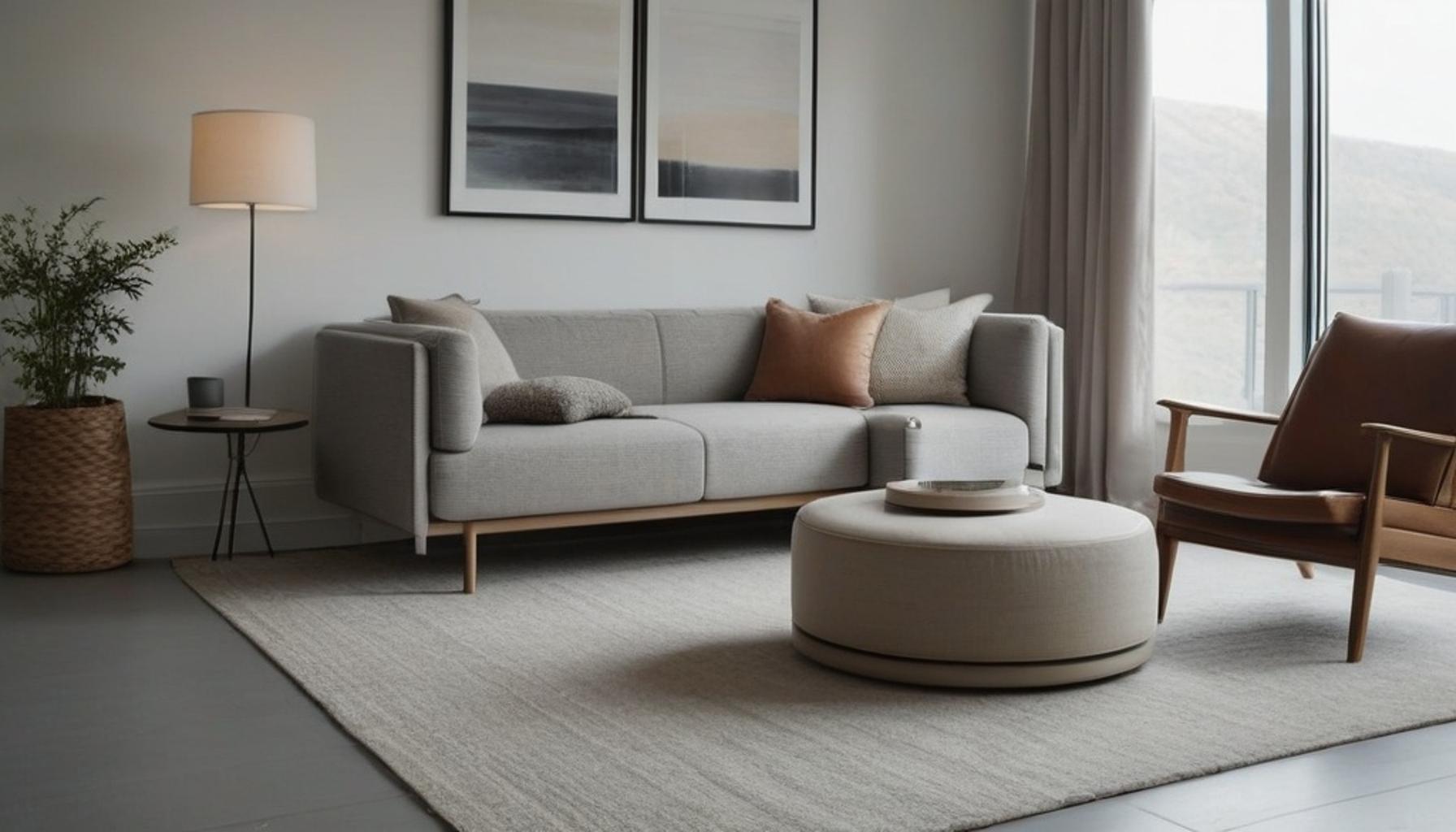
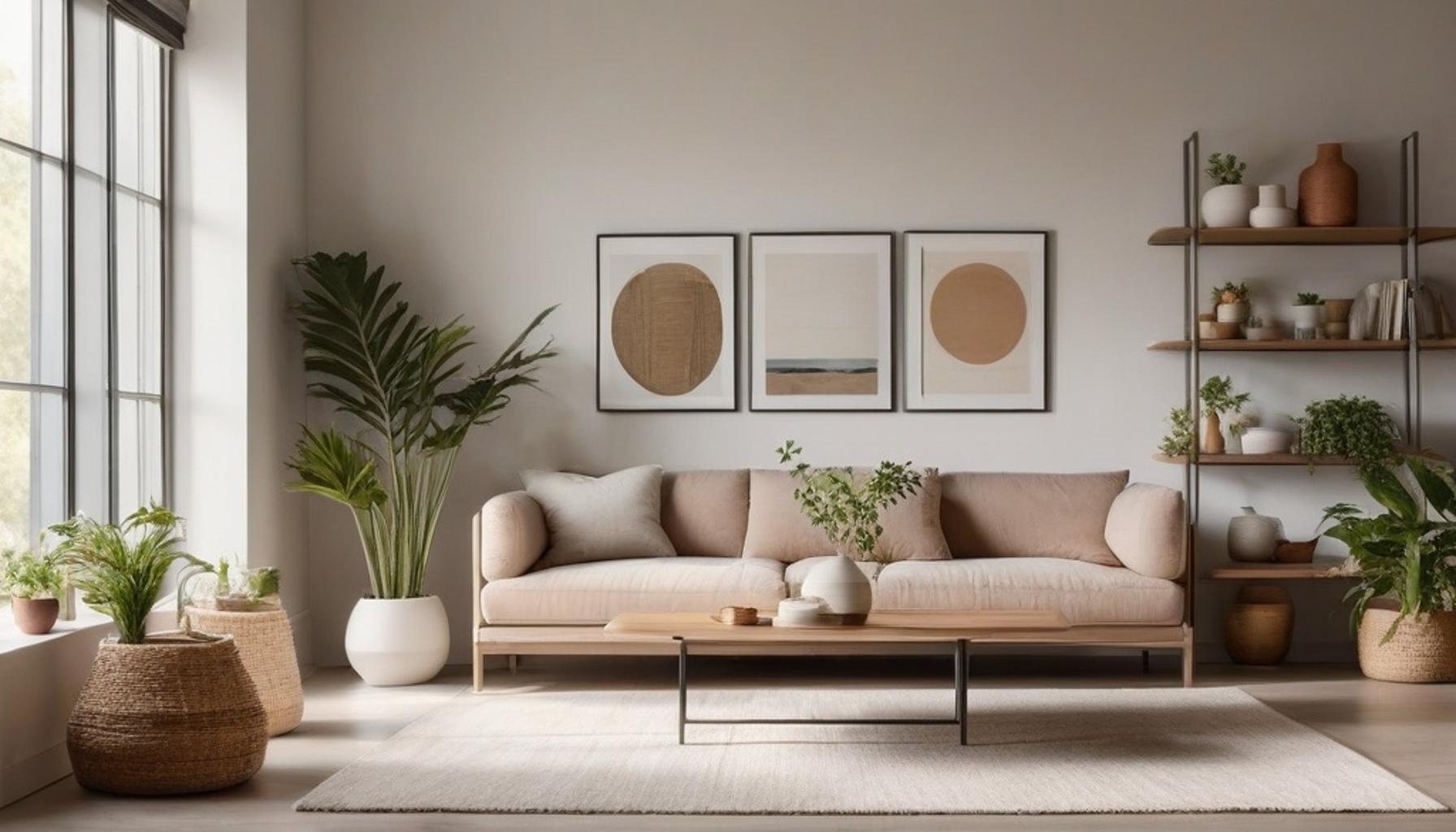
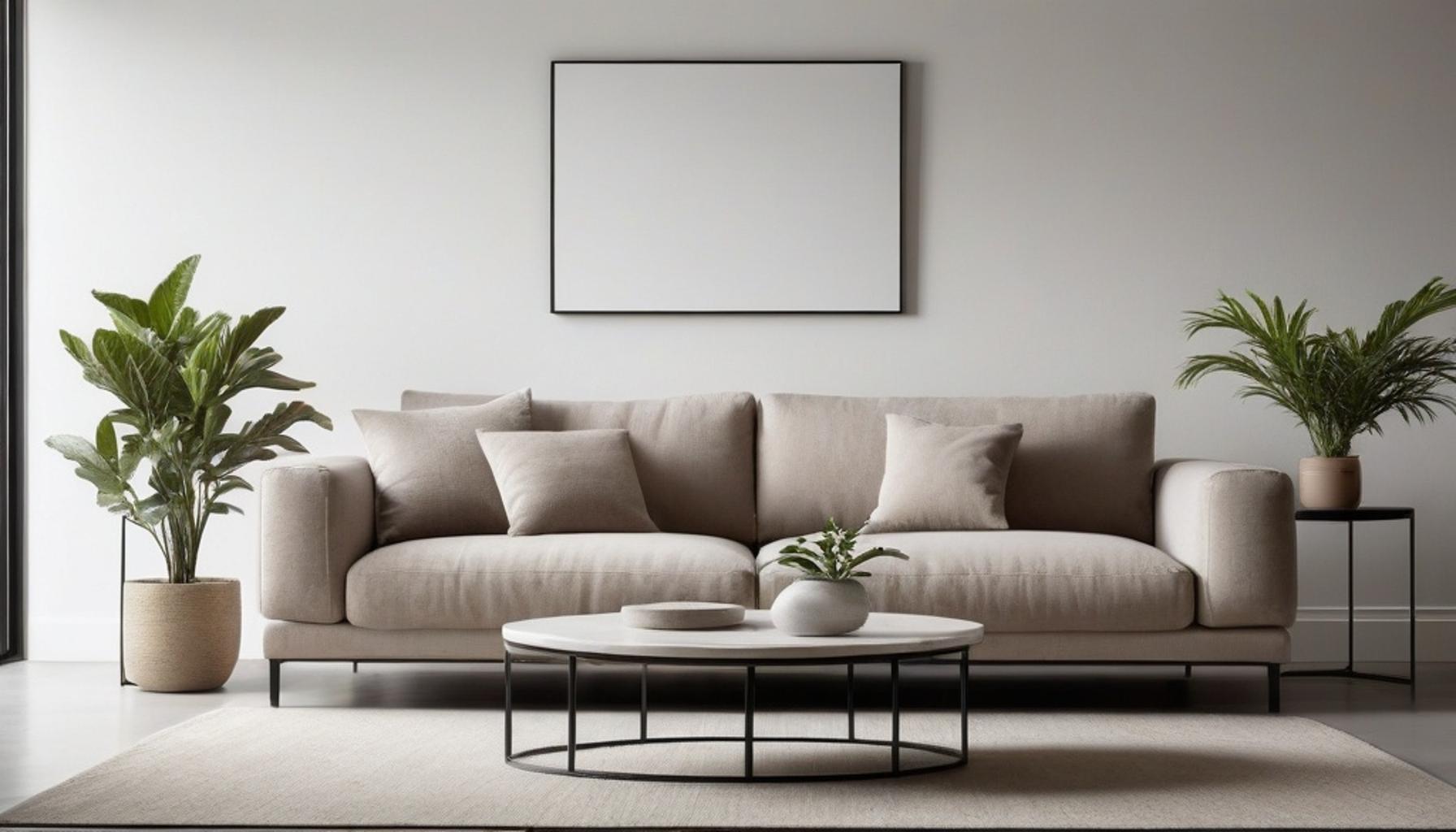
The Aesthetics of Space: How Intentional Design Enhances the Minimalist Experience at Home
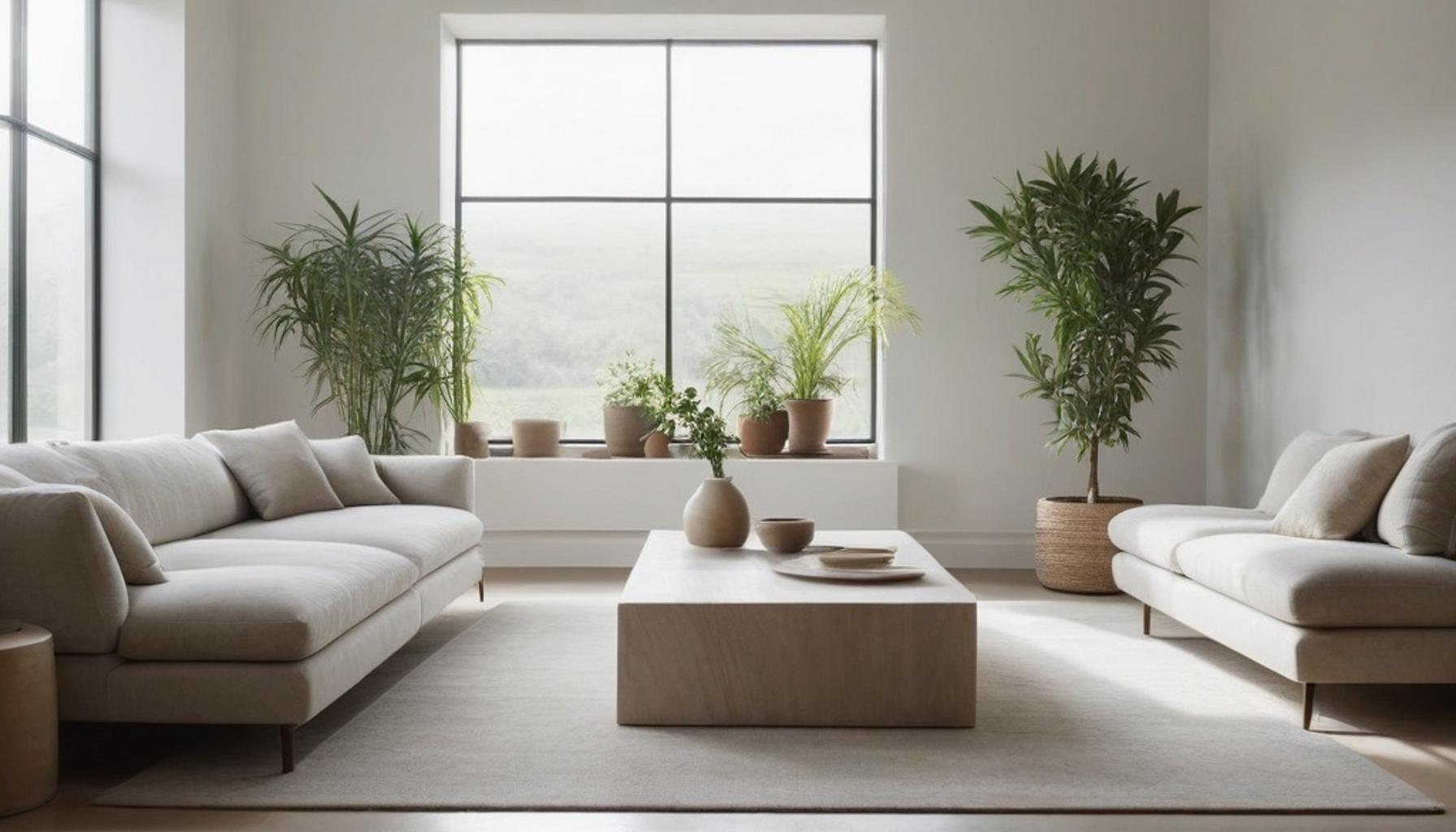
Why Empty Space Speaks Louder Than Clutter
Walk into any American home built after 2015, and you might notice something intriguing: fewer objects and more breathing room. This shift reflects a growing fascination with the Aesthetics of Space, a design philosophy where what you leave out holds as much significance as what you choose to include. As homeowners embrace this new wave of design, they are redefining their living environments, translating minimalism from a mere aesthetic into a lifestyle choice.
Homeowners across the United States are discovering that minimalist design at home isn’t about deprivation; rather, it’s about making deliberate choices that transform ordinary rooms into calming retreats. This design ethos suggests that by intentionally simplifying spaces, individuals can foster a sense of peace and serenity amidst our chaotic lives.
The Numbers Behind the Movement
According to a 2023 survey by the National Association of Home Builders, 68% of new homeowners prioritize open, uncluttered layouts over larger square footage. This trend signals a cultural pivot toward quality over quantity in home design, emphasizing functionality and emotional well-being. Homeowners are eschewing traditional notions of larger spaces in favor of thoughtfully designed areas that promote comfort and tranquility.
- Research indicates that reduced visual noise from clutter lowers reported stress levels by up to 20%, according to various studies in environmental psychology. This reduction in stress can enhance overall well-being, creating a healthier living space.
- Adopting multi-functional furniture—like sofa beds or coffee tables with hidden storage—can save an average of 15% in home organization costs annually, allowing families to maximize their space efficiently.
- Real estate appraisers have found that properties painted in neutral color palettes not only feel more spacious but also tend to increase perceived home value during resale, making minimalist design a wise financial investment.
What This Article Will Explore
Intentional home design isn’t a one-size-fits-all formula; it requires an understanding of how light, texture, and negative space interact within your specific environment. For example, large windows that let in natural light can highlight the beauty of simplistic decor choices, enhancing the overall experience of the space.
This piece will break down practical strategies to enhance the minimalist living experience, backed by design principles utilized in diverse homes from Brooklyn brownstones to California bungalows. Expect actionable home decoration ideas that promote both functionality and aesthetics, along with a closer look at the tangible benefits of minimalism that go far beyond mere looks. From improved mental health to increased property value, the rewards of adopting this mindful approach to home design are bountiful and worth exploring.
YOU MAY ALSO LIKE: The Role of Intentional Design in Creating Functional Minimalist Workspaces
The Architecture of Emptiness: How Negative Space Shapes a Room
Interior designers employ the concept of negative space as an essential element in crafting modern homes. Far from being viewed as a frustrating void or wasted square footage, negative space actively contributes to the visual and functional appeal of a room. It defines the boundaries of where furniture and decorative elements reside and significantly affects the room’s overall atmosphere. Take a moment to imagine a living area where every wall is adorned with decorations and every corner filled with furniture; while it may seem lively, the effect could quickly become overwhelming. Instead, negative space serves to highlight the beauty of the furnishings and create a sense of harmony and balance in the room.
This idea can be likened to the concept of silence in music. When listening to a piece that masterfully incorporates pauses and rests, those moments of silence make the notes resonate more deeply. In interior design, the absence of clutter allows the eye to experience the curated beauty of each individual piece, imbuing the space with a sense of organization and tranquility. A living space filled with visibility and breathing room promotes a feeling of calm, while one that lacks it can feel chaotic, regardless of the price tag on its furnishings.
How Professional Designers Use the 60-30-10 Rule
Professional designers commonly implement the 60-30-10 rule to strike a balance between openness and functionality in their designs. This formula not only enhances aesthetic appeal but also guides individuals in making effective choices to prevent their spaces from becoming cluttered or feeling sparse.
- 60% open or neutral space: This represents the portions of the room such as floors, walls, and surfaces that remain clear. The intention here is to create visual “breathing space,” allowing the observer’s eyes to rest and absorb the environment without distraction.
- 30% functional elements: This section designates the essential furniture pieces that serve the room’s purpose. Whether it’s a stylish sectional sofa in a family room or a solid dining table in a small kitchen, these items anchor the function of the space and establish its primary use.
- 10% intentional accents: This last aspect comprises distinctive decorative elements meant to catch the eye. It could be a striking piece of art, a unique lamp, or an intricately designed throw pillow that shares color or theme with the room without overwhelming it.
This approach, rooted in classical design theory, is especially valuable in today’s climate where homeowners seek decor ideas that resonate with a curated aesthetic. Such a ratio explains why even a minimalistic loft in vibrant Austin feels cozier and more inviting than an over-furnished suburban living room filled to capacity with numerous pieces.
Light as a Design Material
Another crucial element in achieving the desired effect of negative space within a room is the presence of natural light. The American Institute of Architects highlights that homes designed with strategically placed windows yield a remarkable 27% increase in occupant satisfaction compared to traditionally lit spaces. This significant boost in contentment stems from the ability of natural light to create an illusion of space and warmth.
Light acts almost like a living design material in minimalist interiors, reflecting off pale-colored walls, illuminating polished surfaces, and casting delicate shadows that add dimension without requiring extra adornments. Regions like Southern California or Arizona showcase this architectural principle reverently, where homeowners opt for floor-to-ceiling glass windows that blur the lines between indoor simplicity and the breathtaking outdoor landscapes.
In conclusion, the ultimate aim of leveraging negative space in modern interior design is to enhance the minimalist experience. By allowing architecture and natural light to work in concert, spaces can appear expansive and inviting without the need for excessive furnishings or decor. In mastering the art of negative space, even a quaint apartment can be transformed into an environment that feels liberating and thoughtfully designed.
RECOMMENDED: The Importance of Intentional Design in Creating Minimalist Spaces
Material Honesty: Choosing Objects That Earn Their Place
Once negative space establishes the framework of a room, the next layer of intentional home design concerns the objects allowed to inhabit it. Minimalist philosophy does not simply mean owning less; it means selecting items that carry genuine purpose, texture, and craftsmanship. This principle, sometimes called material honesty, asks homeowners to choose furniture and decor that reveal what they actually are, rather than disguising cheap materials behind decorative veneers.
A solid oak table, an exposed brick wall, or a linen sofa left in its natural hue all communicate authenticity. According to a 2022 survey by the National Association of Home Builders, 68% of American homeowners reported a growing preference for natural materials such as wood, stone, and metal over synthetic alternatives, citing durability and timeless appeal as leading motivators. This shift aligns directly with the benefits of minimalism, where fewer, better-made pieces replace the disposable furniture culture that dominated previous decades.
The Psychological Weight of Color Restraint
Color palette plays an equally significant role in reinforcing the aesthetics of space. Minimalist interiors frequently favor neutral tones such as soft whites, warm greiges, and muted earth colors. This is not merely a stylistic trend but a psychological strategy.
Research published by the Color Marketing Group indicates that restrained color schemes reduce cognitive load, allowing occupants to feel more relaxed within their homes. Bright, clashing colors can stimulate the brain in ways that increase alertness, which may be desirable in a gym but counterproductive in a bedroom or reading nook.
- Monochromatic layering: Using varying shades of a single color family, such as ivory, sand, and taupe, to add depth without introducing visual noise.
- Textural contrast: Compensating for limited color variety by mixing materials like woven jute rugs, matte ceramics, and brushed metal fixtures.
- Strategic dark accents: Introducing a single charcoal or black element, such as a window frame or light fixture, to ground an otherwise pale room.
Homeowners in cities like Portland and Denver have embraced this restrained palette approach, often pairing it with reclaimed wood accents that nod to regional craftsmanship while maintaining a distinctly minimalist silhouette.
Scale and Proportion: The Overlooked Variables
Even with the right materials and colors, a room can feel off if scale is ignored. Oversized furniture crammed into a modest apartment disrupts flow, while undersized pieces in a large living room can make the space feel disconnected and sparse rather than serene.
Designers often recommend measuring a room’s proportions before purchasing furniture, ensuring that each piece occupies roughly two-thirds of the wall or floor space it sits against. This calculated approach to scale is one of the more practical home decoration ideas that directly supports a balanced, intentional layout, proving that minimalism is as much about mathematics as it is about mood.
LEARN MORE: The Role of Intentional Design in the Selection of Minimalist Objects for a Functional Lifestyle
Bringing It All Together: Space as a Living Philosophy
The aesthetics of space is not a static design trend that fades with the seasons. It is a deliberate framework built on negative space, material honesty, restrained color, and careful proportion, each element reinforcing the others to create a home that feels calm rather than cluttered. What emerges from this layered approach is not emptiness for its own sake, but a considered environment where every object and every gap serves a purpose.
Throughout this discussion, one theme has remained constant: intentional home design requires homeowners to slow down and question their choices. Why does this chair sit here? Why this shade of gray instead of that one? These questions, repeated across a household, compound into a living space that feels coherent rather than accidental.
The benefits of minimalism extend beyond visual appeal. Lower cognitive load, easier maintenance, and a documented sense of psychological relief have all been linked to homes designed with fewer, better-considered elements. As more Americans reassess consumption habits, this approach to minimalist design at home offers a practical alternative to the accumulation-driven decorating of past decades.
For readers ready to enhance minimalist experience within their own homes, the path forward does not require a complete renovation. Small, consistent choices, a decluttered shelf, a single natural material, a moment of restraint before a purchase, accumulate into meaningful change over time.
Ultimately, the most compelling home decoration ideas are the ones that respect both function and feeling. Space, when treated as a design element rather than an afterthought, becomes one of the most powerful tools available for shaping how a home is experienced every single day.
Frequently Asked Questions
What role does color play in the aesthetics of space in minimalist design?
Color is a crucial element in minimalist design as it can influence mood and perception of space. Neutral colors often dominate minimalist palettes, creating a calm and cohesive environment, while accent colors can be used strategically to focalize attention and enhance the aesthetics of space.
How can furniture selection impact the aesthetics of space in a minimalist home?
Furniture selection directly affects the aesthetics of space by determining the flow and functionality of the rooms. Choosing multifunctional and streamlined furniture pieces ensures that each item has a purpose, contributing to an uncluttered look that embodies minimalist principles.
What are some key design principles to consider for enhancing the aesthetics of space in minimalist interiors?
Key design principles include simplicity, balance, and proportion. Striving for a decluttered environment, maintaining harmonious color schemes, and ensuring that furniture and décor are proportionate to the space can significantly enhance the aesthetics of space, creating a serene atmosphere.
How does lighting affect the aesthetics of space in a minimalist home design?
Lighting is essential in minimalist design as it can dramatically transform the aesthetics of space. Natural light is preferred, as it creates an open and airy feel, while strategically placed artificial lighting can highlight specific areas or features, adding depth and interest without overwhelming the simplicity of the design.

Beatriz
Beatriz Johnson is a seasoned minimalist and writer with a passion for simplifying the complexities of personal organization and intentional living. With over a decade of experience in decluttering strategies and mindful consumption, she specializes in topics like space optimization, habit simplification, and sustainable lifestyle choices. Through her work on our website, Beatriz empowers readers to embrace minimalism, reduce mental and physical clutter, and create more meaningful, organized lives in today's fast-paced world.