The journey of detachment: How intentional design can facilitate decluttering and personal organization
Letting Go, One Intentional Choice at a Time
Americans own more possessions than any generation before them, yet satisfaction with living spaces continues to decline. The average U.S. household contains roughly 300,000 items, according to organizing industry estimates. This staggering figure reflects a culture of accumulation that has left many feeling overwhelmed. Amidst the chaos of clutter, a quiet movement toward simplicity has taken root, marked by a shift in how we perceive and manage our living environments.
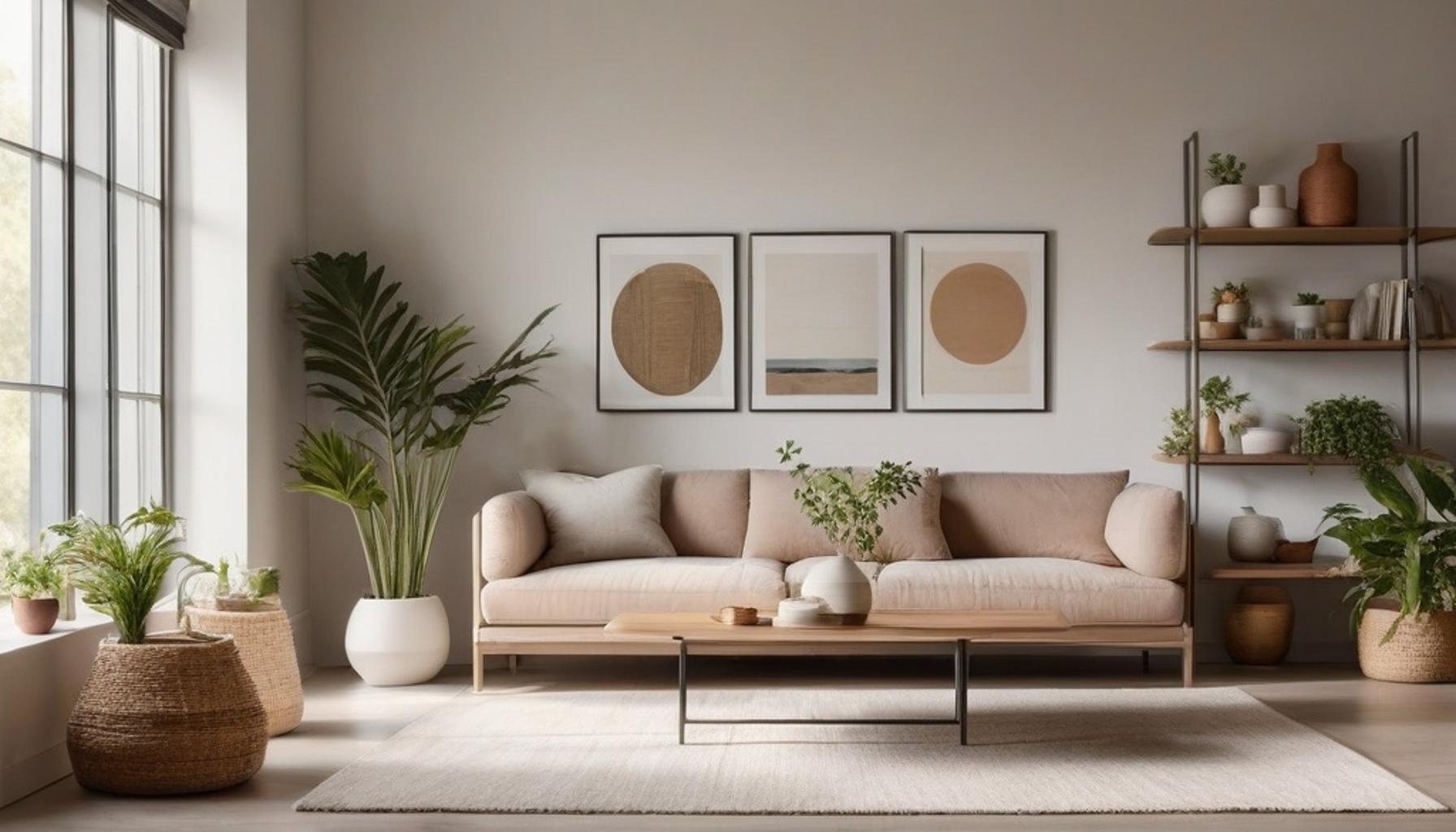
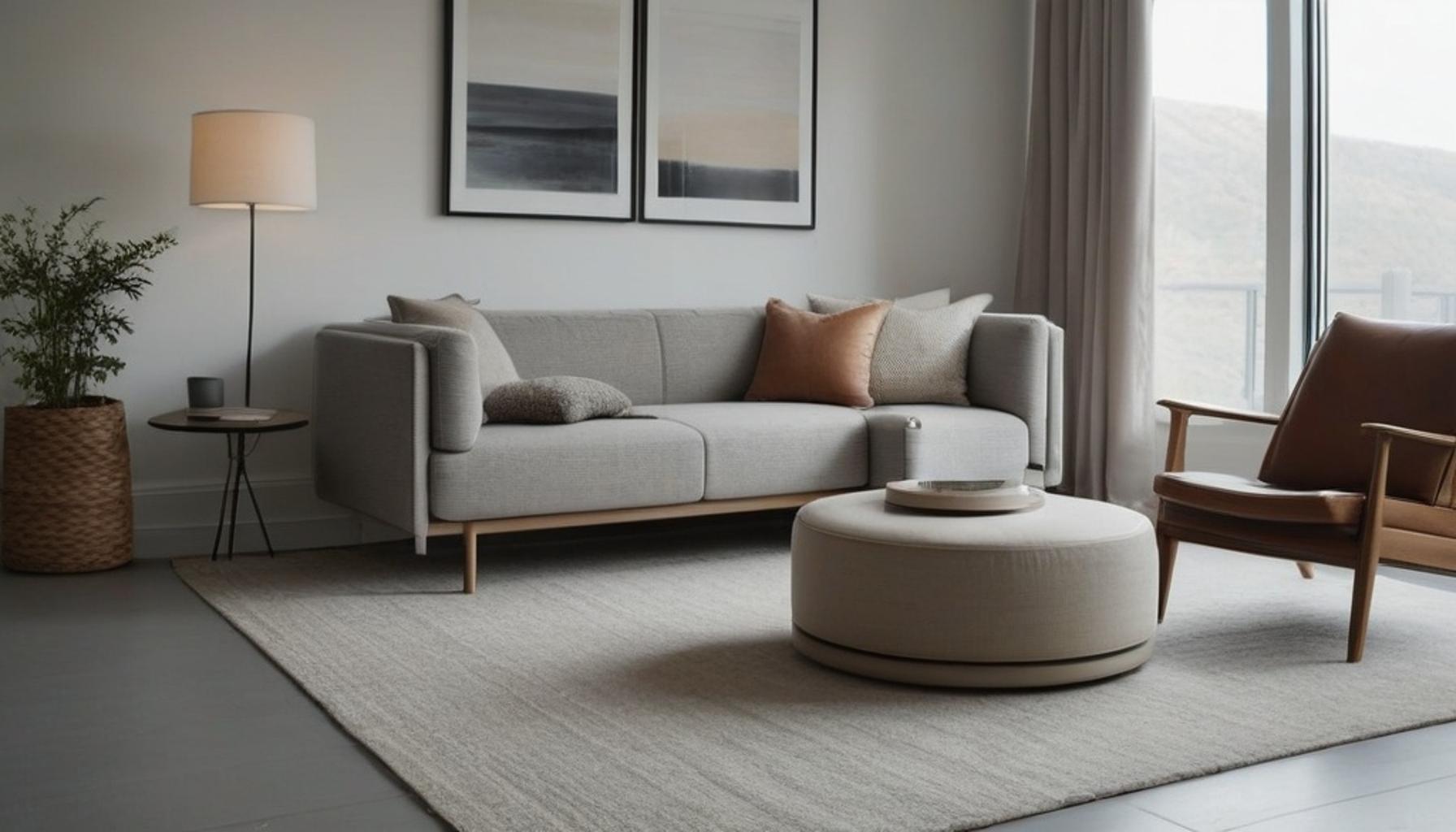
Intentional design for decluttering offers a refreshing alternative. Instead of attempting to combat clutter after it has accumulated into a chaotic mess, this approach focuses on shaping our environments in a way that prevents clutter from forming in the first place. For instance, the use of multifunctional furniture—like ottomans that double as storage—can significantly reduce the number of items visible in living areas, thereby creating a calmer atmosphere.
Why This Matters Now
Currently, home organization searches have surged across the United States—indicative of a broader cultural shift toward mindful living. This movement is not solely about the desire to own nothing; rather, it emphasizes the importance of owning with purpose. Individuals are beginning to recognize that each item they bring into their home should serve a specific purpose, whether practical or sentimental.
Several forces are driving the renewed interest in minimalist design principles, including:
- Smaller urban living spaces that demand more innovative and efficient storage solutions. For example, cities like New York and San Francisco, with their tight real estate markets, are seeing a rise in companies that specialize in transforming closets into well-organized, functional spaces.
- Increased awareness of the mental toll linked to visual clutter, as studies have shown that disorder in our immediate surroundings can lead to heightened stress and decreased productivity.
- A growing curiosity about intentional living and design as a lifestyle philosophy, which promotes a more conscious approach to consumption and space utilization.
- Social media exposure to organized, functional interiors, particularly through platforms like Instagram and Pinterest, where influencers showcase curated spaces that inspire viewers to rethink their own homes.
What Readers Will Discover
This exploration moves beyond generic bin-and-basket advice. It delves into how thoughtful architecture, furniture choices, and spatial planning can make tidiness feel effortless rather than forced. For instance, an open floor plan minimizes barriers and allows for a seamless flow of energy, which can encourage a more organized vibe overall.
Expect a closer look at practical personal organization techniques alongside effective real-world design strategies. Readers will also learn how to declutter your life in sustainable ways that stick—supported by documented benefits of decluttering such as reduced stress levels, improved focus, and the reclamation of time previously spent managing excessive possessions. From establishing clutter zones to creating routines that promote harmony, this journey offers inspiring insights for anyone looking to elevate their living space and overall well-being.
LEARN MORE: The Role of Intentional Design in the Selection of Minimalist Objects for a Functional Lifestyle
Long before the first drawer gets emptied or the first donation box gets sealed, something shifts in the mind. Detachment from material possessions is rarely an overnight decision—it’s a gradual reprogramming of how people relate to the objects surrounding them. Researchers at UCLA’s Center on Everyday Lives of Families found that women who described their homes as cluttered showed elevated cortisol levels throughout the day, a stress hormone typically linked to chronic anxiety. This physiological response confirms what many have intuitively felt; chaos in our physical environments can lead to unrest in our mental states.
The rising trend of intentional design for decluttering highlights this connection between environment and mental health, gaining traction far beyond home organizing blogs. It involves more than just aesthetics; it focuses on creating settings that actively reduce cognitive load. When a home is configured with fewer visual distractions, the brain expends less energy processing stimuli. This conservation of mental energy allows for enhanced focus and relaxation, ultimately contributing to a more balanced lifestyle.
The Architecture of Letting Go
Understanding detachment in this light transcends notions of deprivation. Rather, it’s about recalibrating one’s relationship with belongings through deliberate spatial choices that prioritize clarity and ease. Architects and interior designers increasingly incorporate psychological principles into their designs, creating spaces where accumulating excess becomes less convenient.
Some effective strategies employed in design include:
- Built-in storage: By limiting the amount of accessible space for discretionary items, this design choice naturally curbs the accumulation of unnecessary possessions over time. A classic example can be seen in modern homes where laundry rooms or kitchens incorporate limited cabinetry, requiring residents to regularly evaluate their tools and supplies.
- Transitional zones: Areas near entryways that serve as drop zones help intercept clutter before it proliferates into main living spaces. These zones can be designed with hooks for jackets and shelves for shoes, enabling a seamless flow from the outside world to home without overwhelming mess.
- Clear visual sightlines: Intentional furniture placement that directs the eye towards open spaces rather than haphazard piles of items promotes a sense of order. For instance, orienting couches toward a focal point like a fireplace encourages comfort while minimizing distractions from surrounding clutter.
- Closed cabinetry: This strategy reduces the temptation to display every object owned, encouraging people to store belongings out of sight. By using cabinets instead of open shelving, individuals are invited to curate their possessions more thoughtfully—only displaying what truly represents their values and lifestyle.
These personal organization techniques work effectively because they alleviate decision fatigue. Instead of relying solely on willpower to maintain tidiness, the environment itself influences behavior, nudging individuals toward organization without conscious effort.
This shift reflects a broader cultural movement towards minimalism and intentional living. A 2023 survey by the National Association of Productivity and Organizing Professionals revealed that 78% of Americans believe disorganization negatively impacts their quality of life. Yet, only a fraction have taken structural steps to address it. This gap between awareness and implementation is where intentional living and design emerges, seamlessly linking emotional values with physical spaces for an enhanced life experience.
By understanding the psychology of detachment, individuals can foster environments that promote well-being and clarity. The journey towards decluttering not only transforms living spaces but also nurtures the mind, allowing for a deeper connection to what truly matters.
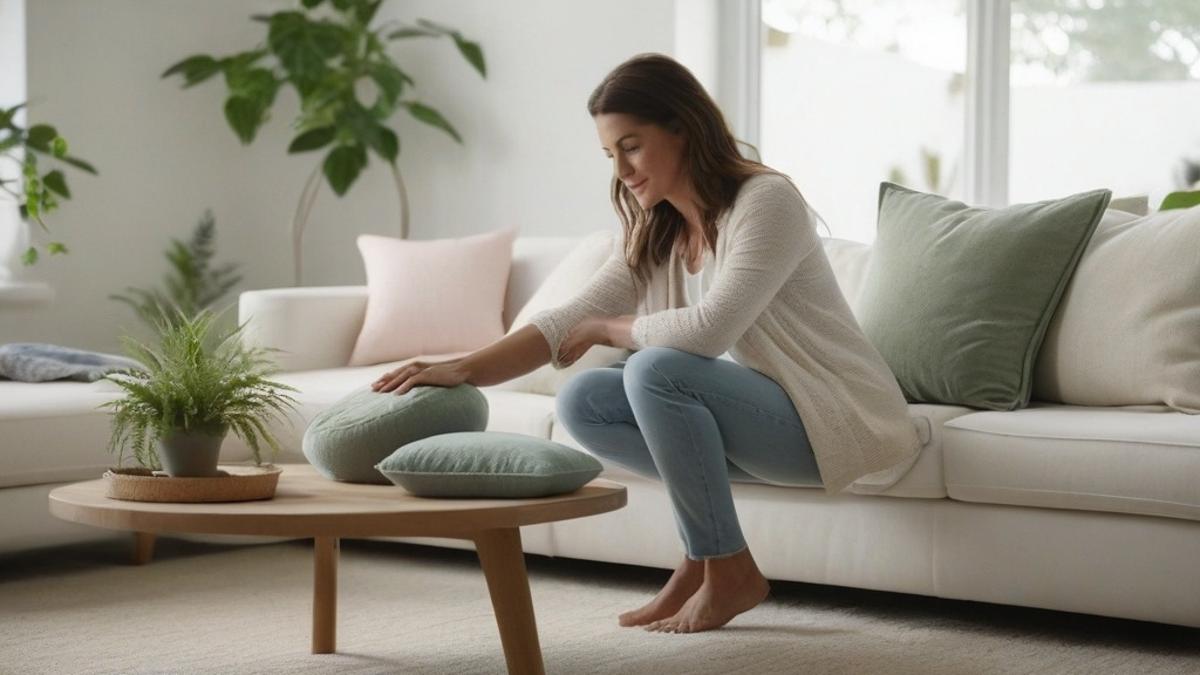
| Key Aspects | Explanations |
|---|---|
| Intentional Design Principles | Utilizing minimalist design principles helps in selecting only essential items, promoting decluttering. |
| Benefits of Decluttering | A clear space leads to a clearer mind, increasing productivity and enhancing personal organization techniques. |
| Personalized Spaces | Designing spaces that reflect personal values encourages intentional living and design, making it easier to engage with your environment. |
| Actionable Steps | Implementing systems, such as the 4-box method, can illustrate how to declutter your life effectively. |
LEARN MORE: Utilizing Intentional Design to Curate a Minimalist Home Environment that Fosters Serenity and Focus
From Blueprint to Behavior: Designing Rooms That Rewire Habits
Walk into any newly renovated home in Austin or Portland, and you’ll likely notice something conspicuously absent: junk drawers overflowing with mismatched cords and receipts. This isn’t accidental. Builders and homeowners alike are embracing minimalist design principles that treat storage as a finite resource rather than an ever-expanding accommodation for accumulation.
The numbers back up this shift. According to a 2022 report from the American Institute of Architects, requests for “flexible, reduced-storage layouts” in custom home design increased by 34% over the previous five years. Clients aren’t asking for less space out of necessity—they’re asking for it as a lifestyle choice.
Small Space, Big Impact
Consider the tiny house movement, which has ballooned into a billion-dollar niche within American residential design. Living in 200 to 400 square feet forces immediate confrontation with possessions. Every item must justify its existence.
This constraint-driven approach offers a masterclass in how to declutter your life without relying purely on motivation. When square footage disappears, so does the luxury of indecision.
Some practical applications emerging from this movement include:
- Multi-functional furniture: Beds with built-in drawers, ottomans that double as storage bins, and fold-away desks eliminate the need for separate storage units.
- Vertical organization systems: Wall-mounted shelving draws the eye upward, freeing floor space while still providing accessible storage for daily essentials.
- Digital integration: Charging stations and cable management built directly into furniture reduce the visual clutter of modern electronics.
Interestingly, this trend isn’t confined to tiny homes. Suburban developers in states like Colorado and North Carolina now market “right-sized” homes—properties intentionally smaller than the American average of 2,299 square feet, according to U.S. Census Bureau data.
The Psychological Payoff
The benefits of decluttering through spatial design extend into measurable mental health improvements. A study published in the Journal of Environmental Psychology found that individuals in organized, low-clutter environments completed cognitive tasks faster and with fewer errors than those in visually chaotic spaces.
This isn’t merely about tidiness for its own sake. It’s about creating environments where the brain isn’t constantly triaging visual information, allowing for deeper focus and reduced decision fatigue throughout the day.
Retailers have taken note as well. Companies like The Container Store and IKEA have expanded product lines specifically marketed around modular, adaptable storage—goods designed not to hide clutter, but to prevent its accumulation altogether.
These personal organization techniques, rooted in architectural intention rather than reactive cleaning, represent a fundamental shift in how Americans are choosing to inhabit their homes.
The Detachment Dividend: Why Intentional Design Outlasts Willpower
The evidence is clear: intentional design for decluttering succeeds where sheer willpower often fails. Motivation fades, but a home engineered with fewer storage traps and smarter layouts keeps working long after New Year’s resolutions dissolve.
From the shrinking square footage of tiny homes to the modular shelving lining suburban garages in Ohio and Arizona, the throughline is consistent. Spaces built with restraint force better decisions, while spaces built with abundance invite accumulation.
Rethinking What Home Really Means
This shift signals something larger than a design trend. It reflects a broader embrace of intentional living and design, where homeowners prioritize clarity and function over sheer square footage.
The personal organization techniques discussed throughout this piece—vertical storage, multi-functional furniture, digitally integrated charging stations—aren’t quick fixes. They’re structural commitments that quietly dictate behavior every single day.
And the payoff extends beyond tidy countertops. As research from the Journal of Environmental Psychology suggests, decluttered environments sharpen focus and reduce cognitive strain. That’s a measurable return on investment few home upgrades can claim.
A Question Worth Asking
Before purchasing another storage bin or organizational gadget, it may be worth asking a different question entirely: not how to store more, but how to need less.
That single reframe captures the essence of how to declutter your life in a lasting way. It also explains why minimalist design principles continue gaining traction among architects, developers, and everyday homeowners across the country.
The benefits of decluttering aren’t confined to aesthetics or Instagram-ready interiors. They touch mental bandwidth, daily efficiency, and even how we define enough.
As American homes continue evolving—smaller in some cases, smarter in most—the real transformation isn’t happening in the blueprints alone. It’s happening in the quiet, daily choices those blueprints make easier, one deliberately empty drawer at a time.
Frequently Asked Questions
What is intentional design for decluttering and how does it work?
Intentional design for decluttering focuses on creating spaces that promote organization and minimize clutter. It involves thoughtful planning of layouts, storage solutions, and the overall aesthetic to make it easier to keep items tidy and easily accessible.
Can you provide examples of intentional design elements that help with decluttering?
Examples of intentional design elements include built-in storage, multi-functional furniture, and clearly defined zones for specific activities. These features help to reduce visual clutter and make it easier to maintain organization in your space.
How can I apply intentional design principles to my home office for better organization?
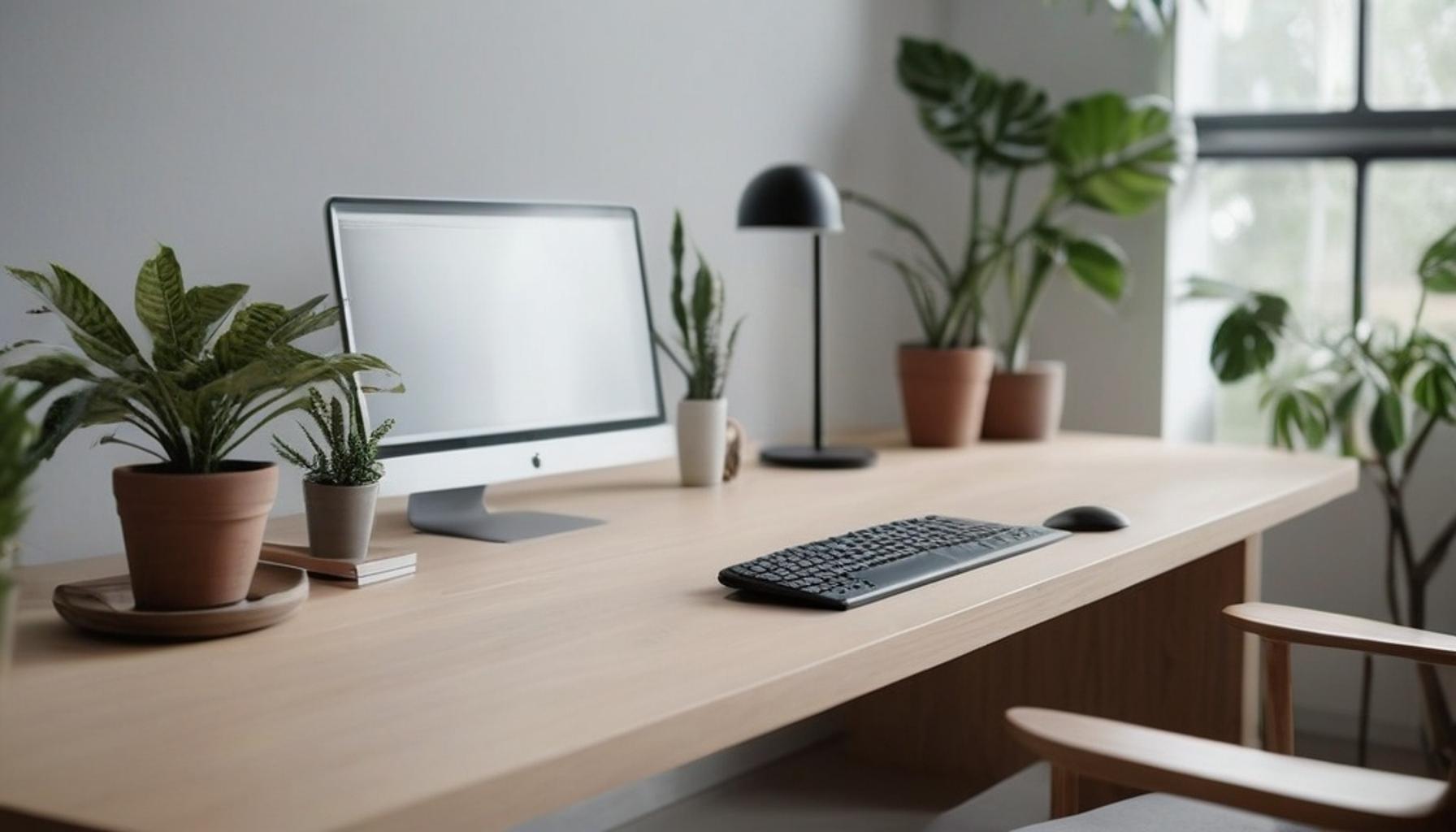
To apply intentional design principles in your home office, consider organizing your workspace with specific zones for different tasks, using storage solutions that reduce clutter, and incorporating natural light to boost productivity. Additionally, select furniture that encourages a clean surface and easy access to necessary tools.
What role does minimalism play in intentional design for decluttering?
Minimalism is integral to intentional design for decluttering as it encourages the reduction of excess items and focuses on quality over quantity. By embracing a minimalist approach, you create a serene environment that supports emotional clarity and reduces distractions.
How can intentional design contribute to my mental well-being?
Intentional design contributes to mental well-being by reducing stress and creating a more harmonious living space. When your environment is organized and intentional, it fosters a sense of control and peace, allowing you to focus better and feel more grounded.

Beatriz
Beatriz Johnson is a seasoned minimalist and writer with a passion for simplifying the complexities of personal organization and intentional living. With over a decade of experience in decluttering strategies and mindful consumption, she specializes in topics like space optimization, habit simplification, and sustainable lifestyle choices. Through her work on our website, Beatriz empowers readers to embrace minimalism, reduce mental and physical clutter, and create more meaningful, organized lives in today's fast-paced world.