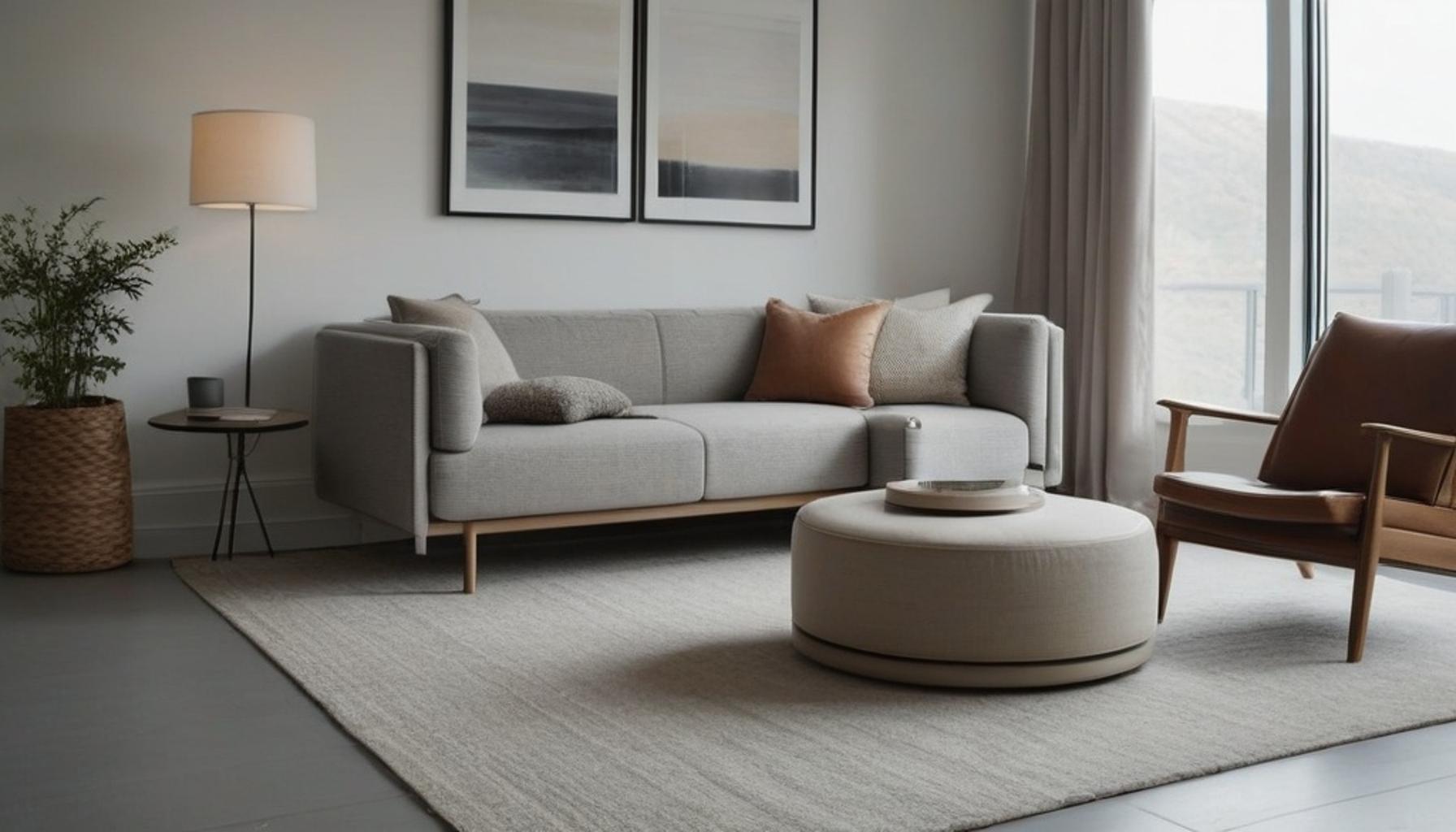
The Role of Intentional Design in Creating a Minimalist Workspace
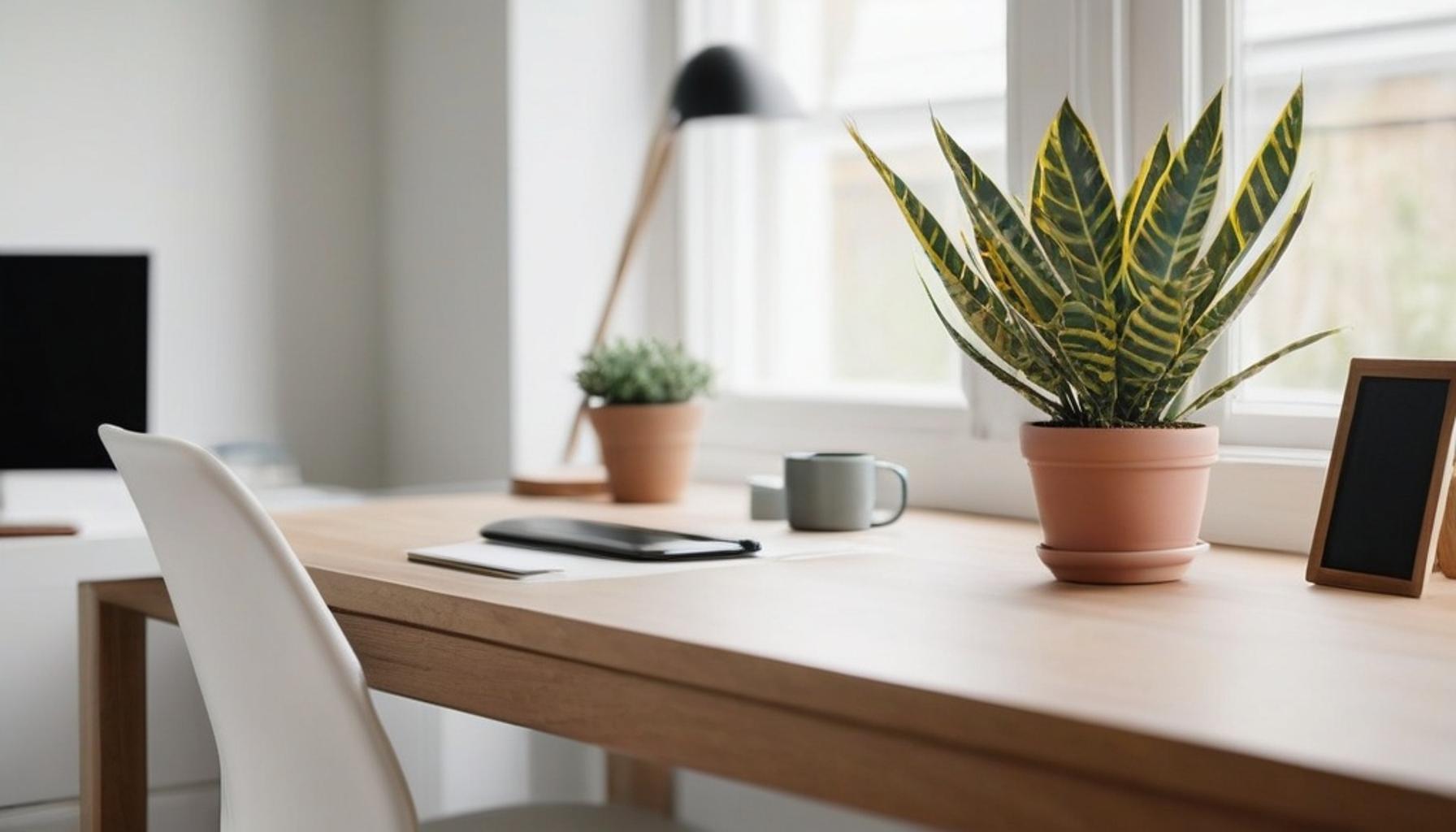
Why Every Object on Your Desk Deserves a Second Look
Walk into any modern American office today, and you’ll likely notice a shift. Cluttered cubicles are giving way to sleek, purposeful spaces where every item has earned its place. This transformation isn’t accidental—it’s the result of Intentional Design Minimalist Workspace principles taking hold across industries. These principles encourage employees to focus on what truly matters, enhancing productivity and reducing stress in fast-paced work environments.
Studies from workplace productivity researchers suggest that visual clutter can reduce focus by up to 20%. That’s a staggering number for anyone trying to squeeze more value out of an eight-hour workday. Imagine how many tasks can go uncompleted or how many errors could occur due to distracting environments. In fact, a clear and organized workspace can improve cognitive functioning, allowing individuals to better retain information and make sharper decisions.
The Shift Toward Purposeful Simplicity
Companies from Silicon Valley startups to Fortune 500 headquarters are rethinking how physical space impacts mental clarity. The goal isn’t just aesthetic appeal—it’s function combined with well-being. A workspace thoughtfully designed can lead to improved collaboration, creativity, and even job satisfaction.
Consider what defines this movement toward creating a minimalist office:
- Fewer decorative distractions, more deliberate choices—this means opting for fewer but more meaningful pieces, such as a framed motivational quote instead of multiple wall decals.
- Furniture and tools selected for specific purposes—think ergonomic chairs and desks that promote healthy postures while providing necessary technology.
- Open sightlines that reduce visual noise—by organizing elements and maintaining clean lines, employees can stay focused on their tasks without feeling overwhelmed.
- Storage systems designed to disappear when not in use—integrated solutions such as built-in cabinets or concealed shelving keep the workspace tidy and organized.
These aren’t arbitrary design trends. They reflect a deeper understanding of how our environments shape cognitive performance and stress levels. In fact, the American Psychological Association emphasizes the connection between work environment and mental health, highlighting that a well-structured office can significantly improve workplace morale.
What This Article Will Explore
This piece dives into the benefits of minimalist design and why intentional workspace design matters more than ever in 2024’s hybrid work landscape. You’ll discover practical minimalist workspace tips that go beyond simply “decluttering,” such as how to integrate technology effectively while maintaining an uncluttered aesthetic.
We’ll also examine core minimalist design principles that professionals are employing to transform chaotic desks into focused command centers. This includes strategies for evaluating the necessity of each object on your desk and reassessing the role of digital tools versus physical clutter. The question isn’t whether minimalism works—it’s about how to implement it correctly and sustainably to foster an environment conducive to productivity and creativity.
CHECK OUT: Intentional Design in Small Spaces: Minimalist Solutions to Maximize Functionality
# The Psychology Behind Every Deliberate ChoiceBehind every minimalist desk lies a decision-making process most people never see. It’s not about owning less for the sake of appearances—it’s about understanding why an object exists in your workspace in the first place. This is the essence of intentional workspace design, and it’s reshaping how Americans approach their daily work environments.Neuroscientists studying attention and workspace design have found that the human brain processes visual information constantly, even when we’re not consciously aware of it. Every stray paperclip, unused mug, or forgotten sticky note competes for a slice of your cognitive bandwidth. Multiply that by dozens of small distractions, and suddenly your brain is working overtime just to filter out noise before you’ve even started your first task of the day.
The Hidden Cost of “Just in Case” Items
Many professionals hold onto items based on the assumption they might need them someday. This mindset, while understandable, often works against the benefits of minimalist design. Research from organizational psychology suggests that decision fatigue accumulates throughout the day, and each unnecessary item on your desk represents a micro-decision your brain has already made—whether you realize it or not.Consider a typical corporate desk in cities like Chicago or Austin. It might include:
- Multiple pens and highlighters, most rarely used—yet each one triggers a subtle mental note every time your eyes pass over it.
- Stacks of paper “to be filed later”—creating both physical clutter and an ongoing sense of unfinished business.
- Redundant chargers and cables—tangled reminders of technology that could easily be consolidated or hidden.
- Personal memorabilia that has lost its original meaning—items kept out of habit rather than genuine value.
None of these items are inherently harmful. The issue is accumulation without evaluation—a pattern that contradicts core minimalist design principles.
Intentionality as a Business Strategy
Forward-thinking companies aren’t embracing minimalism purely for visual appeal. They’re recognizing it as a measurable strategy for improving output. A 2023 workplace design survey found that employees in simplified, purpose-driven offices reported 15% higher satisfaction rates compared to those in traditional, cluttered settings.This is where creating a minimalist office becomes less about trends and more about return on investment—both for employers tracking productivity metrics and for employees seeking mental clarity during demanding workdays. When every object serves a clear function, the workspace stops competing with the work itself.
YOU MAY ALSO LIKE: The Psychology of Minimalism: How Intentional Design Can Reduce Stress and Increase Productivity
# From Concept to Practice: Designing Spaces That WorkTranslating the philosophy of intentionality into an actual desk setup requires more than tossing out old notebooks. It demands a systematic approach—one that treats Intentional Design Minimalist Workspace principles as a framework rather than a one-time cleanup project.Design professionals who specialize in workplace consulting often start with a simple question: does this object actively support the work being done, or does it simply exist because it’s always been there? That distinction changes everything.
The Three-Zone Method
One practical approach gaining traction among American office designers involves dividing desk space into three functional zones. This method offers a repeatable structure for anyone serious about minimalist workspace tips that actually stick.
- Active zone—reserved only for what you’re using right now: your laptop, a single notebook, perhaps one writing tool.
- Reference zone—a small, defined space for items used daily but not constantly, such as a planner or a headset.
- Storage zone—everything else, tucked away in drawers or shelving, accessible but out of visual range.
This structure isn’t arbitrary. It mirrors how architects and interior designers approach square footage in high-density cities like New York or San Francisco, where every inch must justify its purpose.
Digital Clutter Deserves Equal Attention
Intentional design doesn’t stop at physical objects. A cluttered desktop screen, an inbox with thousands of unread messages, or a browser with forty open tabs creates the same cognitive drag as a messy desk—arguably worse, since it’s a distraction employees carry into virtual meetings and remote work sessions.A 2022 study on digital workspace habits found that professionals who organized their digital files into no more than five main folders reported significantly faster task-switching times. This finding reinforces a core idea within minimalist design principles: simplicity isn’t confined to what’s tangible.
Lighting, Color, and Sensory Simplicity
Visual clutter isn’t limited to objects—it extends to sensory overload from harsh lighting, excessive color, or mismatched furniture. Companies investing in creating a minimalist office increasingly prioritize neutral palettes, natural light, and consistent materials across workstations.Architectural lighting specialists note that overly bright fluorescent lighting, common in older American office buildings, can heighten stress responses. Swapping to adjustable, warmer lighting has become a low-cost, high-impact change many businesses overlook when pursuing the benefits of minimalist design.None of these adjustments require significant financial investment. They require attention—a willingness to evaluate spaces the same way one might evaluate a budget or a schedule, cutting what doesn’t serve a clear purpose.
YOU MAY ALSO LIKE: The importance of Intentional Design in creating minimalist environments that promote productivity and well-being
Rethinking What a Desk Is Really For
The evidence points to a clear conclusion: a workspace shaped by Intentional Design Minimalist Workspace principles isn’t about aesthetics alone. It’s a functional strategy, one that touches focus, stress levels, and even how quickly someone switches between tasks during a workday.
From the three-zone method to digital folder systems, the throughline is consistency. Every object, file, or light fixture earns its place by serving a purpose—not by simply occupying space out of habit.
What This Means Going Forward
American offices, particularly those navigating hybrid schedules and shrinking square footage in cities like Chicago or Austin, are likely to keep adopting these principles out of necessity rather than trend-chasing. Real estate costs and remote work dynamics make creating a minimalist office less of a design choice and more of an operational one.
Employees and freelancers alike stand to benefit from applying intentional workspace design on a personal scale, even without a corporate overhaul. Small shifts—clearing a desktop screen, choosing warmer lighting, limiting a workspace to three functional zones—add up over time.
What remains worth investigating is how these minimalist design principles intersect with long-term productivity data, particularly as more companies track employee well-being alongside output.
- Workspaces should be reevaluated regularly, not organized once and forgotten.
- Digital and physical clutter carry equal weight in shaping focus.
- Simplicity, when intentional, tends to scale well across industries and office sizes.
The benefits of minimalist design extend beyond a tidy desk—they reflect a broader shift in how people, and the companies employing them, define productive space in an increasingly distracted world.
Frequently Asked Questions
How does intentional design contribute to a minimalist workspace?
Intentional design plays a crucial role in creating a minimalist workspace by ensuring that every element serves a specific purpose. This approach reduces clutter and distractions, ultimately enhancing productivity and focus. By carefully selecting furniture and decor that align with a clear vision, you can create a harmonious environment that fosters creativity and efficiency.
What are some examples of intentional design elements in a minimalist workspace?
Examples of intentional design elements include choosing multifunctional furniture, like a desk with built-in storage, and utilizing a limited color palette to create visual cohesion. Incorporating natural light, using ergonomic seating, and strategically placing plants can also enhance both aesthetics and well-being in a minimalist workspace.
Can intentional design improve employee well-being in a minimalist office?
Yes, intentional design can significantly improve employee well-being in a minimalist office by promoting a serene and uncluttered environment. When employees are surrounded by only the essentials, they can concentrate better, which can lead to reduced stress and increased job satisfaction. Thoughtfully designed workspaces can encourage collaboration and social interaction, further boosting morale.
How can I start implementing intentional design in my current workspace?
Start by assessing your current workspace and identifying items that are unnecessary or distracting. Consider investing in high-quality, functional furniture that aligns with your workflow and removing any excess decor. Gradually simplify your environment by introducing intentional design choices and focusing on creating a space that promotes clarity and focus.
What are the common mistakes to avoid when creating a minimalist workspace?
Common mistakes include overcrowding the space with bulky furniture or excessive decor, failing to maximize natural light, and neglecting the importance of organization. It’s also important not to rush the process; take the time to thoughtfully select each element to ensure it aligns with your design intentions. A minimalist workspace is about balance and purpose, so avoid elements that do not add value.
How can I maintain a minimalist workspace after implementing intentional design?
To maintain a minimalist workspace, establish a regular decluttering routine and be mindful of what you bring into the space. Evaluate new items for their necessity and intentionality before introducing them. Make it a habit to keep surfaces clear and organized, ensuring your workspace remains a reflection of your intentional design goals.

Linda Carter
Linda Carter is a writer specializing in minimalism and personal organization. With extensive experience helping readers create more functional and balanced routines, she shares practical advice on decluttering, organizing spaces, simplifying daily tasks, and making more intentional choices. Her goal is to offer clear guidance and accessible strategies that help people reduce excess, improve their surroundings, and enjoy a calmer, more organized lifestyle.