Utilizing Intentional Design to Curate a Minimalist Home Environment that Fosters Serenity and Focus
Understanding the Influence of Your Home Environment
The average American spends roughly 90 percent of their time indoors, according to the EPA. This staggering statistic highlights the importance of our indoor environments and prompts many households from Seattle to Austin to reevaluate cluttered rooms and chaotic layouts that may be detracting from their mental well-being.
This transformation has led to the rise of minimalist home design, a philosophy that emphasizes stripping away excess in order to cultivate clarity and peace in our living spaces. Minimalism transcends mere aesthetic appeal; it is a necessary response to the constant overstimulation that modern life entails, suggesting that less truly is more.
The Science Behind Simplified Spaces
Research from Princeton University indicates that visual clutter significantly competes for our attention, ultimately diminishing our capacity to concentrate. This finding has inspired designers to adopt intentional design principles that favor functionality over accumulating unnecessary items. By embracing a minimalist approach, individuals can mitigate distractions and create a more productive environment.
The primary aim is to create a serene home environment, where each item serves a distinct purpose and contributes positively to daily life. Here are some foundational strategies that can easily be implemented:
- Choosing multi-functional furniture—think a sofa bed or a coffee table with storage—to maximize utility without sacrificing style.
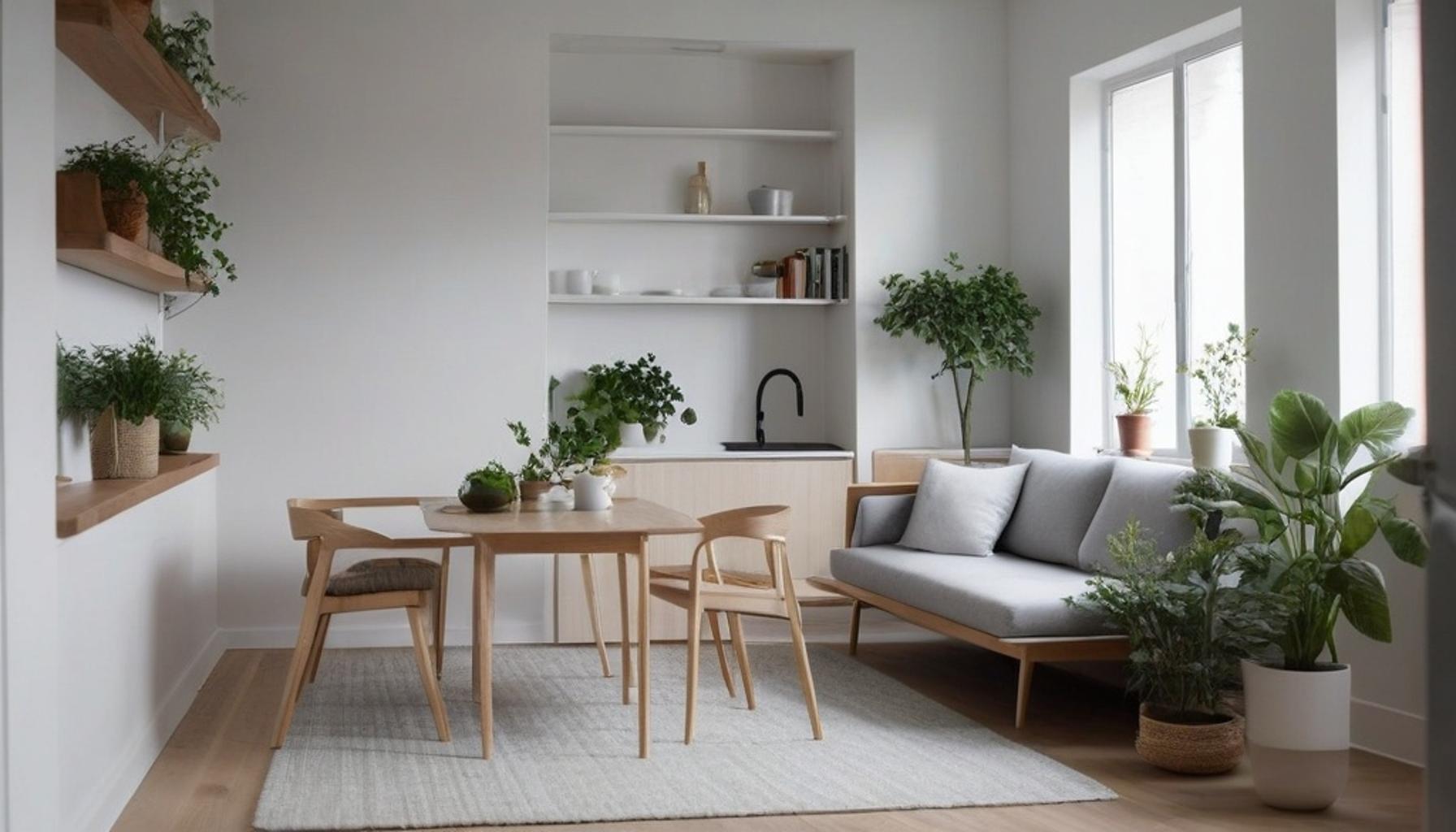
- Selecting a neutral, cohesive color palette helps to unify the space and promote relaxation, with shades of whites, grays, and earth tones offering a calming effect.
- Maximizing natural light and open sightlines can drastically enhance the atmosphere of a room, fostering a sense of openness and energy. Large windows and light treatments can amplify this effect.
- Designating specific storage for every item encourages organization, making it easier to keep surfaces clear and reduce visual clutter in every room.
More Than Aesthetics
The benefits of minimalist living extend far beyond the allure of a tidy Instagram feed. Many homeowners report experiencing lower stress levels, faster and more efficient morning routines, and improved sleep quality due to the reduction of chaos in their environments.
This exploration not only provides practical minimalist home decor ideas but also suggests methods for fostering focus in home life. Following this, a room-by-room breakdown will illustrate how adopting the principle of “less is more” can profoundly impact your quality of life, encouraging you to rethink your space and its influence on your mental state.
YOU MAY ALSO LIKE: The Role of Intentional Design in Creating a Minimalist Workspace
Creating a harmonious living environment begins with the thoughtful application of intentional design principles tailored to each unique space within your home. Rather than implementing a one-size-fits-all decluttering approach, recognizing that every room has its own function is key to achieving lasting organization and tranquility. This article delves into the essential design strategies that can transform individual spaces, enhancing comfort and utility throughout the home.
The Entryway: Setting the Mood for Your Home
The entryway often gets neglected, yet it plays a vital role in establishing the atmosphere of the entire home. When you step through the front door, it’s the first and last impression you receive, and a disorganized entryway—cluttered with shoes, a pile of mail, and other miscellaneous items—can provoke unnecessary stress. To counter this, design experts advocate for a more intentional approach.
One effective method includes incorporating a simple bench that features concealed storage. This provides a designated place for shoes and bags, dramatically reducing clutter. Alongside the bench, consider adding a carefully selected piece of wall art or a mirror to expand the sense of space and create an inviting ambiance. The goal is to foster an environment that transitions smoothly into the rest of the home.
The Bedroom as a Sanctuary for Rest
Among all the rooms in your home, the bedroom is of paramount importance when it comes to promoting peace and restfulness. Research from the National Sleep Foundation suggests that a cluttered bedroom contributes to increased cortisol levels, leading to disrupted sleep cycles. Thus, adopting minimalist strategies in this sacred space is essential.
- Removing electronics completely or concealing them behind furniture helps eliminate distractions, such as blue light emitted by screens, which can interfere with sleep.
- Investing in high-quality bedding in a limited color palette can enhance the feeling of serenity, as opposed to an overload of decorative pillows and bold patterns that may overwhelm the senses.
- Utilizing under-bed storage containers efficiently organizes seasonal items or extra linens, maximizing available space, which is especially beneficial in smaller urban apartments found in bustling cities like New York or Chicago.
- Limiting nightstand items to essentials—a lamp, a soothing book, perhaps a small succulent—can clear morning mental clutter, allowing you to start each day more mindfully.
Home Offices and the Pursuit of Productivity
As remote work solidifies its presence in the American workforce, the home office has become a testbed for the principles of minimalism and their impact on productivity. A recent study published in the Journal of Environmental Psychology found that employees working in decluttered environments completed tasks up to 15 percent faster compared to those surrounded by visual distractions, underscoring a strong connection between an organized workspace and efficiency.
This supportive data invites you to explore practical adjustments within your home office. For instance, committing to clearing your desk each night can foster a sense of readiness for the following day, while limiting decorative items to just one or two meaningful objects creates a visually tranquil environment. Moreover, integrating multifunctional furniture, such as desks with drawers, can help maintain an organized and focused workspace.
In conclusion, applying intentional design principles room by room not only enhances the aesthetic of your home but also nurtures mental well-being and productivity. By customizing strategies to each space, you can create an environment that truly reflects your lifestyle and elevates your everyday living experience.

SEE ALSO: The Psychology of Minimalism: How Intentional Design Can Reduce Stress and Increase Productivity
Extending Minimalist Principles to Shared Living Spaces
While private spaces like bedrooms and offices benefit tremendously from decluttering, the communal areas of a home present their own unique challenges. Living rooms and kitchens serve multiple functions and often accommodate an entire household’s needs, making minimalist home design in these spaces a slightly more complex endeavor.
The Living Room: Balancing Function and Calm
Living rooms frequently become catch-alls for remote controls, children’s toys, and stray belongings. According to a 2022 survey by the National Association of Professional Organizers, nearly 54 percent of Americans report feeling overwhelmed by clutter in their main living areas, citing it as a significant source of household tension.
Applying intentional design principles here doesn’t mean sacrificing comfort for austerity. Instead, it means choosing furniture and decor that serve clear purposes.
- Selecting a neutral color scheme—think warm whites, soft grays, or gentle earth tones—creates a visually restful backdrop that doesn’t compete for attention.
- Investing in furniture with built-in storage, such as ottomans that open or coffee tables with shelving, allows households to keep everyday items accessible yet hidden from view.
- Limiting decorative accents to a handful of meaningful pieces, rather than filling every shelf and surface, helps the eye rest rather than constantly scan for stimulation.
Design consultants in cities like Austin and Portland, where minimalist aesthics have gained particular traction, often recommend the “one in, one out” rule: for every new item brought into the living room, an existing one should be donated or discarded. This practice naturally curbs accumulation over time.
Kitchens: Where Minimalism Meets Daily Ritual
The kitchen is arguably the most utilitarian room in any home, yet it’s frequently overrun with countertop appliances, mismatched containers, and expired pantry items. A cluttered kitchen doesn’t just look chaotic—it can genuinely slow down meal preparation and increase daily stress.
Nutrition and lifestyle researchers have noted that individuals with organized, minimalist kitchens are more likely to cook at home rather than order takeout, partly because a clear countertop reduces the psychological friction associated with starting a task. This insight offers a compelling argument for those looking to improve both their environment and their eating habits.
Practical steps toward achieving this include storing small appliances like blenders and toasters inside cabinets when not in daily use, and adopting clear, uniform containers for pantry staples such as rice, pasta, and flour. This uniformity not only looks cleaner but also makes inventory easier to track, reducing food waste.
These room-specific adjustments illustrate one of the core benefits of minimalist living: rather than a rigid aesthetic rulebook, it’s a flexible framework that adapts to how real families actually use their spaces, ultimately supporting both fostering focus in home environments and the practical demands of daily life.
RECOMMENDED: Balancing Aesthetics and Functionality: Intentional Design Principles in Minimalist Living
Bringing It All Together: A Home That Works With You, Not Against You
Across bedrooms, home offices, living rooms, and kitchens, one theme keeps surfacing: minimalist home design is never about deprivation. It’s about deciding, room by room, what actually earns a place in your life and letting go of what doesn’t.
The data referenced throughout this discussion, from clutter-related stress statistics to shifts in cooking habits, points to something researchers and designers alike keep circling back to: environment shapes behavior far more than most people realize. A cluttered countertop can quietly discourage a home-cooked meal. An overstuffed closet can add friction to something as simple as getting dressed. These aren’t dramatic revelations, but their cumulative effect on daily well-being is substantial.
What makes this approach worth pursuing isn’t just aesthetics. It’s the compounding, practical payoff. Applying intentional design principles consistently, rather than as a one-time purge, builds habits that sustain themselves. The “one in, one out” rule, uniform pantry storage, and designated drop zones for daily items all function as small systems that prevent chaos from creeping back in.
For readers ready to experiment, start small. Choose one shared space this month and apply a single principle discussed here.
- Clear one surface completely and observe how it changes the room’s feel.
- Try a handful of minimalist home decor ideas before committing to a full overhaul.
- Track how your focus or mood shifts over two weeks in that space.
Ultimately, the goal is to create a serene home environment that reflects genuine priorities rather than accumulated habit. The benefits of minimalist living extend well beyond tidy shelves; they touch mental clarity, daily rhythm, and even relationships within a household. As more Americans reassess what their homes should actually do for them, this shift toward simplicity, thoughtfully applied, may prove less like a passing trend and more like a lasting recalibration.
Frequently Asked Questions
What are the key principles of minimalist home design that promote serenity?
The key principles of minimalist home design include simplicity, functionality, and intentionality. By decluttering your space and using only essential furniture and decor, you create a serene environment that reduces distractions. Neutral colors, natural light, and open spaces further enhance tranquility and focus.
How can I incorporate intentional design into my existing home to achieve a minimalist aesthetic?
Start by evaluating each room and identifying items that do not serve a purpose or bring joy. Consider repurposing or removing excess furniture to create open spaces. Additionally, choose a cohesive color palette and select decor that complements rather than overwhelms your environment, keeping design intentional and minimal.
What types of materials and colors are best for a minimalist home design?
Opt for natural materials such as wood, stone, and metal, as they add warmth and texture without cluttering the space. Neutral colors like whites, greys, and beiges create a calming atmosphere, while subtle accents in muted tones can add interest without overwhelming the senses. The key is to maintain a harmonious balance in your color scheme.
How does a minimalist home environment foster better focus while working from home?
A minimalist home reduces visual clutter, which can help improve concentration and productivity by limiting distractions. By designing a dedicated workspace with only essential items, you create a clear mental boundary between work and leisure, enabling better focus. The serene environment also contributes to reduced stress levels, enhancing overall work performance.
What are some specific organizational tips for maintaining a minimalist decor?
Utilize smart storage solutions such as under-bed bins, multi-functional furniture, and wall-mounted shelves to keep items stored yet accessible. Regularly review and declutter belongings, adopting the ‘one in, one out’ rule to prevent accumulation. Additionally, establish designated spaces for all items to ensure that everything has its place, reinforcing the minimalist philosophy.

Linda Carter
Linda Carter is a writer specializing in minimalism and personal organization. With extensive experience helping readers create more functional and balanced routines, she shares practical advice on decluttering, organizing spaces, simplifying daily tasks, and making more intentional choices. Her goal is to offer clear guidance and accessible strategies that help people reduce excess, improve their surroundings, and enjoy a calmer, more organized lifestyle.