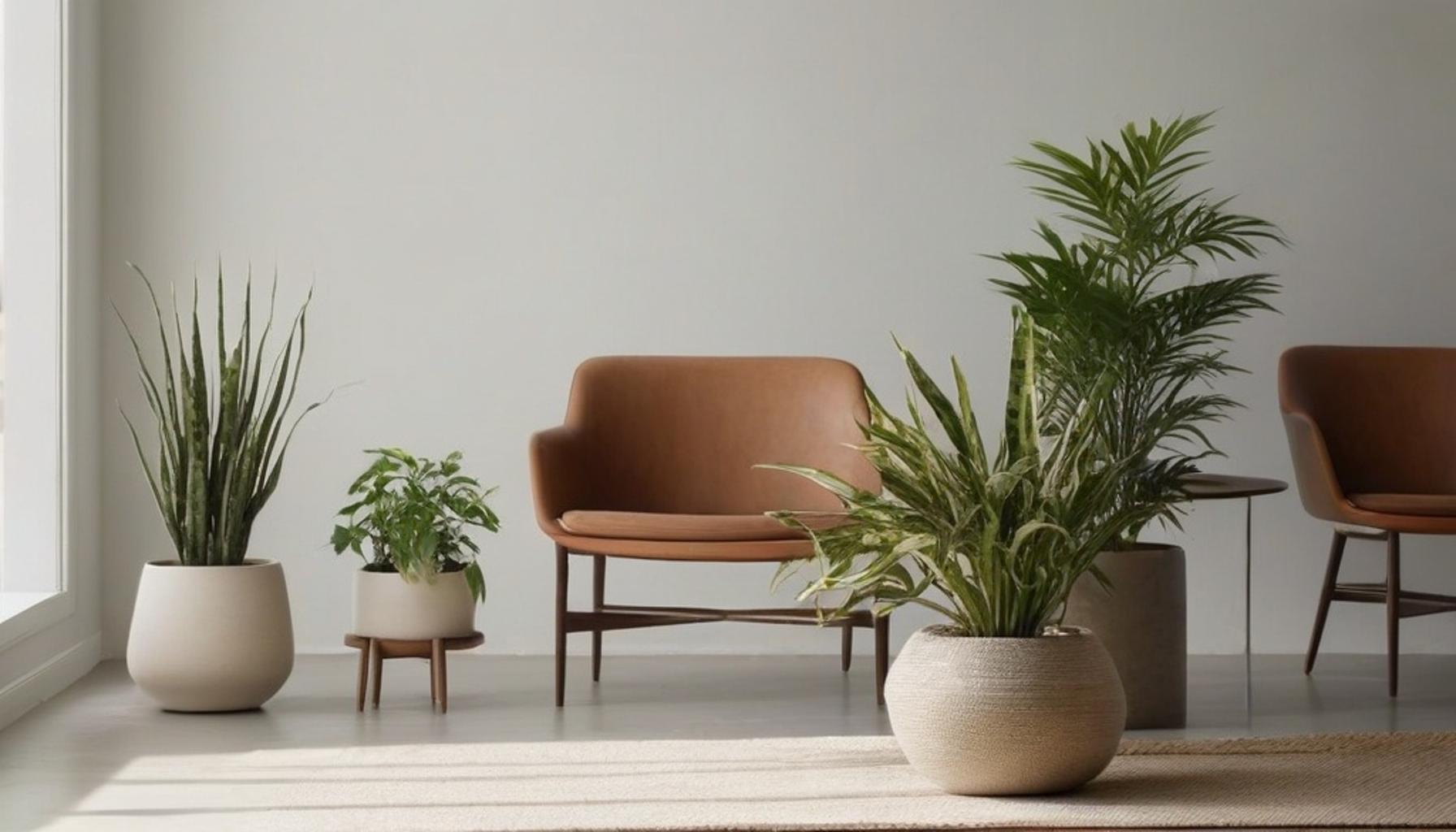
The Aesthetics of Space: How Intentional Minimalist Design Transforms Work Environments
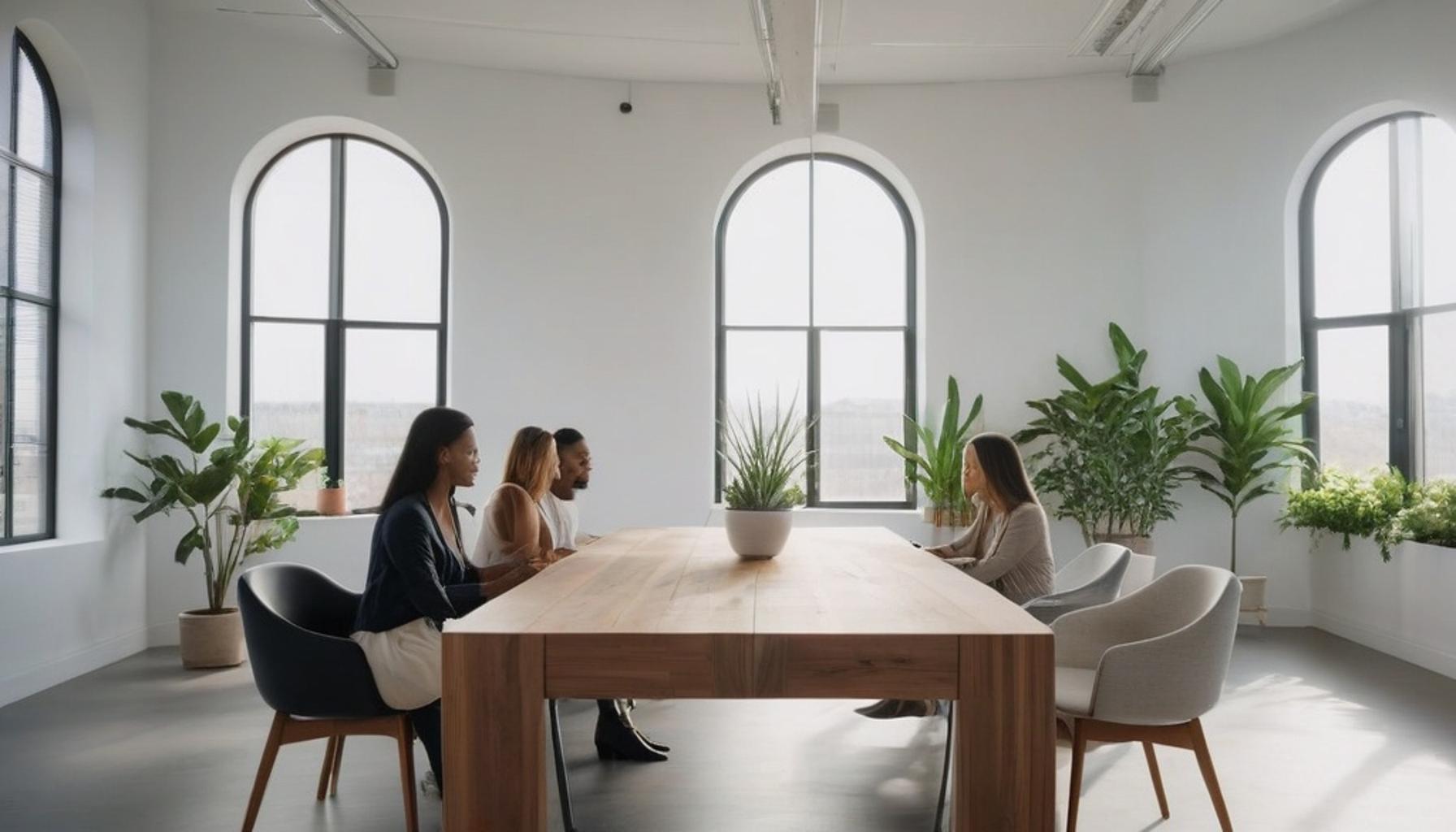
Rethinking the American Office: Less Clutter, More Clarity
Walk into any forward-thinking company office from Austin to Seattle, and you’ll likely notice something missing: the clutter. Minimalist design in work environments has quietly become one of the most talked-about shifts in modern workplace strategy. This aesthetic approach transcends mere visual appeal; it places emphasis on clarity, functionality, and, importantly, well-being. As organizations recognize the need to align their physical environments with their goals, the minimalist trend is becoming more prevalent and purposeful.
It’s not just about looking sleek for Instagram. Research increasingly shows a direct link between spatial design and employee performance, making this trend worth a closer look. For instance, studies have indicated that employees working in environments designed with fewer distractions can concentrate for longer periods, boosting overall output and creativity. Such design shifts mark a transformative change in how businesses view their interiors, not as an afterthought but as an integral part of their operational strategy.
Why Businesses Are Paying Attention
Companies like Google, IBM, and countless startups have embraced the minimalist ethos in their office redesigns, focusing on elements that promote simplicity and functionality. The results speak for themselves through measurable outcomes that hobbyist designers and corporate strategists alike are keen to analyze.
- Reduced visual noise: An uncluttered workspace minimizes distractions, allowing individuals to maintain focus and enhance creativity over sustained periods. For example, the absence of excessive decor or noisy equipment can significantly improve an employee’s ability to concentrate.
- Improved mood and lower stress levels: Research has repeatedly shown that work environments that prioritize simplicity contribute to lower levels of anxiety and stress. In spaces where employees can easily locate essential tools and materials, there is less frustration and greater job satisfaction.
- Increased perceived productivity: Workers in decluttered spaces often report feeling more competent and productive. Many companies are implementing feedback tools to gauge employee perceptions of their environments, leading to actionable improvements.
These aren’t marginal improvements. They represent a fundamental question companies are asking: how does design affect workplace mood, and what does that mean for the bottom line? In a competitive market, the mental health and productivity of employees can directly influence profitability—making the case for intentional minimalism both compelling and practical.
What This Article Explores
This piece dives into the benefits of minimalism in office design, backed by real data and workplace psychology. We will examine intentional design for productivity, focusing on elements such as lighting, color palettes, and furniture placement. For instance, natural light has been shown to improve mood and energy levels, while ergonomically designed furniture can reduce physical strain.
Additionally, you’ll find practical minimalist workspace ideas that any business, big or small, can implement. Strategies may include decluttering personal workstations, using multi-functional furniture, and creating open spaces that foster collaboration without compromising personal space. Get ready to see your office through a completely different lens, paving the way for an improved workplace culture and more effective business practices.
SEE ALSO: Intentional Design Strategies to Reduce Mental Clutter and Promote Well-Being
The Psychology of Empty Space: Why Less Truly Is More
Entering a minimalist room often elicits a sense of calm and clarity that counters the chaos of everyday life. This is no coincidence; the principles of minimalist design in work environments are firmly grounded in cognitive science. Research has shown that when visual stimulation is minimized, our brains—particularly the prefrontal cortex—can focus more on complex problem-solving rather than filtering through a barrage of distracting information.
For instance, a study published in the Journal of Environmental Psychology revealed that individuals working in cluttered environments displayed significantly higher levels of cortisol, the stress hormone, compared to their counterparts in decluttered, streamlined spaces. This physiological response highlights the profound connection between how design affects workplace mood and general well-being, with direct implications for productivity. The findings suggest that companies with clutter-free environments may enjoy tangible benefits, such as fewer sick days, reduced employee turnover, and heightened engagement scores across departments.
Notably, companies like Basecamp and Buffer, celebrated for their emphasis on remote work and minimalist principles, have publicly acknowledged the positive impacts of simplified environments. Their commitment to decluttering both physical and digital workspaces allows teams to focus intensely during high-stakes projects, paving the way for enhanced creativity and efficiency.
Breaking Down the Core Elements of Minimalist Workspaces
Redesigning an office space does not necessitate stripping away personal touches until it feels sterile. Instead, embracing a minimalist approach revolves around intentional curation and the thoughtful integration of essential elements. The benefits of minimalism in office design become evident when various components work together seamlessly.
- Neutral color palettes: Employing soft grays, whites, and muted earth tones can significantly lessen sensory overload. These hues provide a calming visual backdrop that complements rather than competes for attention, fostering a sense of peace, which is crucial for productive work.
- Purposeful furniture selection: Each piece of furniture—be it a desk, chair, or storage shelving—should serve a clear function. This means eliminating excess items that do not directly contribute to work processes or comfort, which aligns with broader intentional design for productivity paradigms.
- Concealed storage solutions: Keeping cables, files, and other office supplies neatly tucked away reduces visual chaos, transforming traditionally cluttered cubicle setups into more organized and inviting spaces.
- Strategic negative space: Intentionally left empty areas are not merely blank; they provide breathing room that enables the eyes and minds to rest, consequently enhancing focus and creativity.
Interestingly, these design elements often interact synergistically. A 2022 Gensler workplace survey found that employees in minimalist environments reported a striking 32% higher satisfaction with their physical workspace compared to those in conventional, over-furnished offices.
This trend transcends industries, evident in tech startups blooming in Silicon Valley to law firms in major Midwest cities, both enthusiastically embracing minimalist workspace ideas. The emerging consensus is clear: the conversation has shifted from whether minimalism is effective to how far organizations are prepared to go in transforming workspaces with minimalism to unleash their teams’ full potential. Companies willing to invest in minimalist design may find themselves reaping both emotional and productivity rewards that are vital in today’s fast-paced working environment.

YOU MAY ALSO LIKE: The Role of Intentional Design in the Selection of Minimalist Objects for a Functional Lifestyle
From Open Floor Plans to Biophilic Touches: Real-World Applications
Walk into the headquarters of companies like Airbnb or Slack, and the influence of minimalist design in work environments becomes immediately apparent. These organizations have moved beyond simply removing clutter—they have reimagined how physical space can actively support cognitive performance and collaboration.
One increasingly popular strategy involves the integration of biophilic elements within minimalist frameworks. Rather than overwhelming a room with décor, designers introduce a handful of carefully chosen natural elements: a single striking plant, exposed wood grain on a conference table, or a wall of windows unobstructed by heavy drapery. This measured approach demonstrates that minimalist workspace ideas and biophilic design are not mutually exclusive but rather complementary forces.
According to a report by Human Spaces, offices that combined natural elements with minimalist layouts saw productivity increases of up to 15%, alongside a notable uptick in reported workplace well-being. These figures illustrate that the goal is not sterility but rather purposeful simplicity that leaves room for elements proven to enhance human performance.
The Role of Acoustic and Spatial Planning
An often overlooked component of intentional design for productivity is acoustics. Minimalist spaces, when improperly planned, risk becoming echo chambers due to hard surfaces and sparse furnishings. Forward-thinking firms address this through sound-absorbing panels disguised as art installations or ceiling baffles that maintain clean sightlines while managing noise.
Spatial planning also plays a pivotal role in how design affects workplace mood. Companies such as Deloitte have adopted “activity-based working” models, where minimalist zones are designated for specific tasks—quiet pods for focused work, streamlined lounges for informal collaboration, and clutter-free meeting rooms equipped only with essential technology.
- Zoned workstations: Distinct areas reduce decision fatigue by clarifying the purpose of each space, allowing employees to transition mentally between tasks with greater ease.
- Adjustable lighting systems: Circadian-friendly lighting that mimics natural daylight patterns supports alertness during work hours and relaxation during breaks.
- Modular furniture: Pieces that can be reconfigured quickly support multiple functions without requiring additional clutter or storage.
Financial data further substantiates these design choices. A Steelcase workplace study found that organizations investing in thoughtfully planned, minimalist environments experienced a measurable decrease in real estate costs per employee, largely due to more efficient use of square footage.
This is a critical insight for small businesses and startups across the United States, particularly in high-rent markets like New York City, San Francisco, and Austin, where every square foot carries significant financial weight. By prioritizing transforming workspaces with minimalism, companies are discovering that reduced physical footprints do not equate to reduced functionality or comfort—rather, they represent a strategic reallocation of resources toward what truly matters: the people who occupy these spaces daily.
Rethinking the Office as a Strategic Asset
The evidence is clear: minimalist design in work environments is not a passing aesthetic trend but a calculated response to how humans think, focus, and collaborate. From Airbnb’s biophilic touches to Deloitte’s activity-based zoning, the common thread is intentionality—every surface, plant, and empty corner serves a purpose.
What makes this movement particularly relevant for American businesses right now is its dual payoff. Companies aren’t just creating calmer, more visually pleasing offices; they’re cutting real estate costs while boosting measurable outcomes like productivity and employee satisfaction. That combination is difficult to ignore in today’s competitive labor market, where talent retention often hinges on workplace experience as much as salary.
The benefits of minimalism in office design extend beyond the balance sheet. Reduced visual clutter appears to lower cognitive load, while acoustic planning and zoned layouts address the sensory chaos that many open-plan offices unintentionally created over the past decade. These findings suggest that the next frontier of workplace design will not chase minimalism for its own sake but will fine-tune it—layering data-driven decisions about lighting, sound, and spatial flow onto a foundation of simplicity.
For business owners and facility managers weighing renovations or new builds, the takeaway is practical: start small. A single decluttered conference room, a modular furniture pilot, or a quiet zone for focused work can serve as a testing ground before committing to a full overhaul.
Ultimately, how design affects workplace mood will continue to shape corporate strategy as companies recognize that space itself is a silent but powerful communicator. As more organizations experiment with transforming workspaces with minimalism, the conversation is shifting from whether this approach works to how far it can be pushed—an open question well worth watching.
Frequently Asked Questions
What are the core principles of minimalist design in work environments?
The core principles of minimalist design in work environments include simplicity, functionality, and the use of a limited color palette. This approach focuses on eliminating distractions by utilizing clean lines, open spaces, and essential furnishings that encourage productivity and clarity.
How does minimalist design impact employee productivity?
Minimalist design can significantly enhance employee productivity by creating an organized and clutter-free workspace that promotes focus. By minimizing distractions and creating a calming environment, employees can better concentrate on their tasks, leading to improved efficiency and output.
What colors are commonly used in minimalist design for offices?
Common colors in minimalist design for offices often include whites, greys, and neutrals, as well as muted tones of blue and green. These colors help maintain a serene atmosphere while allowing for an easy integration of natural light, which is essential for a healthy work environment.
Can minimalist design benefit small workspaces?
Absolutely, minimalist design is particularly beneficial for small workspaces as it maximizes available space and reduces visual clutter. By focusing on multifunctional furniture and strategic placement, small offices can feel more open and inviting, allowing for better movement and collaboration.
What role does natural light play in minimalist work environments?
Natural light plays a crucial role in minimalist work environments by enhancing the overall atmosphere and mood of the space. It not only makes the area feel more spacious but also contributes to the well-being and health of employees, leading to increased morale and productivity.
How can businesses transition to a minimalist office design?
Businesses can transition to a minimalist office design by first decluttering their spaces and evaluating what furniture and decor are essential. Subsequently, they can invest in quality, functional furniture, incorporate open layouts, and focus on a cohesive color scheme to create a serene and effective work environment.

Beatriz
Beatriz Johnson is a seasoned minimalist and writer with a passion for simplifying the complexities of personal organization and intentional living. With over a decade of experience in decluttering strategies and mindful consumption, she specializes in topics like space optimization, habit simplification, and sustainable lifestyle choices. Through her work on our website, Beatriz empowers readers to embrace minimalism, reduce mental and physical clutter, and create more meaningful, organized lives in today's fast-paced world.