Intentional Design Strategies to Reduce Mental Clutter and Promote Well-Being

Why Your Space Might Be Sabotaging Your Peace of Mind
Imagine stepping into your home after a long day, only to be met with a chaotic landscape of clutter and distraction. The average American home contains over 300,000 items, according to the LA Times, illustrating just how much visual noise surrounds us. Each item competes for a slice of your attention, tugging at your focus and energy. This omnipresent clutter doesn’t merely congest your countertops—it also crowds your mind, leading to heightened stress and reduced well-being.
This is precisely where Intentional Design Strategies are crucial. Instead of leaving your surroundings to serendipity, employing deliberate choices in layout, color, and functionality can significantly reduce mental turmoil. These strategies aim to create tranquil and supportive environments that foster peace and productivity.
The Science Behind Space and Stress
Research from Princeton University reinforces the profound connection between our environments and our cognitive abilities. Their studies demonstrate that cluttered spaces compete for our neural resources, resulting in difficulties when focusing and processing information. Essentially, a messy desk is not just an unsightly distraction—it’s a quantifiable drain on cognitive performance that can hinder your ability to think clearly and make decisions.
Mindful design techniques tackle this issue head-on by posing a vital question: does this element serve a purpose, or is it simply noise? By vetting each item in your space with this framework in mind, you start to remove unnecessary distractions. Some practical examples include:
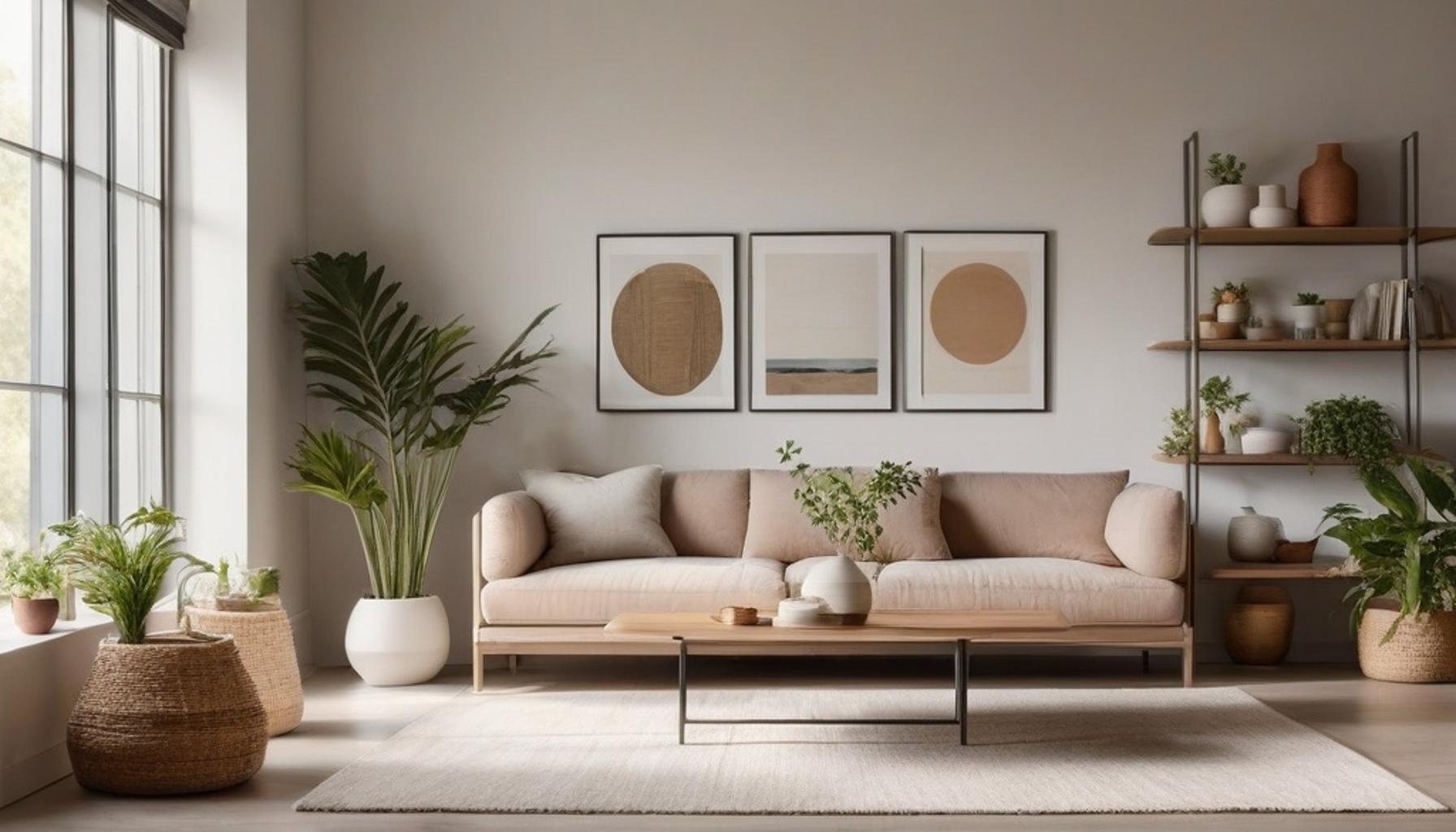
- Streamlined storage solutions that elegantly conceal visual chaos, such as decorative baskets or built-in shelving.
- Natural light optimization through window treatments that maximize sunlight exposure, enhancing mood and alertness—important in regions with long winters.
- Purposeful color palettes that evoke tranquility or concentration, such as soft blues or greens, which are often recommended for bedrooms and workspaces alike.
- Multi-functional furniture, like foldable desks or storage ottomans, that reduces unnecessary clutter by serving dual purposes in tight spaces.
Beyond Aesthetics: Designing for Well-Being
Adopting a clutter-free living mindset transcends mere minimalism; it aims to create intentional frameworks that promote how we think, work, and rejuvenate. This concept aligns with a growing movement toward environmental design for wellness, influencing everything from open-plan offices in tech hubs like Austin to compact apartments in the bustling boroughs of Brooklyn.
The strategies laid out in this discussion provide practical, research-backed approaches for enhancing well-being through thoughtful spatial choices. The best part? You don’t need a big renovation budget to make a meaningful difference. Simple adjustments can lead to improved focus, reduced stress, and ultimately, a more peaceful, fulfilling lifestyle. Each deliberate design choice can pave the way to not only a more organized environment but also to a more serene mind.
SEE ALSO: The Role of Intentional Design in Creating a Minimalist Workspace
Mapping the Blueprint: How Intentional Design Strategies Take Shape in Everyday Spaces
Before you can reduce mental clutter, you need to understand how it accumulates in the first place. Most of us don’t consciously choose disorder—it creeps in gradually, one unopened mail pile or forgotten gadget cord at a time. Intentional Design Strategies work by interrupting this drift, replacing passive accumulation with active curation, creating a framework for clarity in our living and working environments.
Think of your home or office as a living system rather than a static backdrop. Each area should respond to a specific question: what happens here, and what does that activity require? For instance, a kitchen counter intended for food prep shouldn’t also serve as a catch-all for mail, a charging station, and an area for clutter that accumulates over time. This layered functionality often leads to chaos, which can be avoided through thoughtful design.
The Zoning Method: A Room-by-Room Framework
Interior designers and organizational psychologists are increasingly recommending a zoning approach as one of the most effective mindful design techniques available. The zoning method assigns each area of a space a singular, clear function, naturally limiting the visual noise competing for your attention. This simplification is essential for fostering both productivity and tranquility in daily life.
Consider how this zoning approach plays out in practice:
- Entryways: When designed with a dedicated drop zone—a tray for keys, a hook for bags, and space to temporarily park shoes—entry points effectively prevent the domino effect of clutter from spreading into the living areas. This simple act can transform your welcome area into a seamless gateway into your organized home.
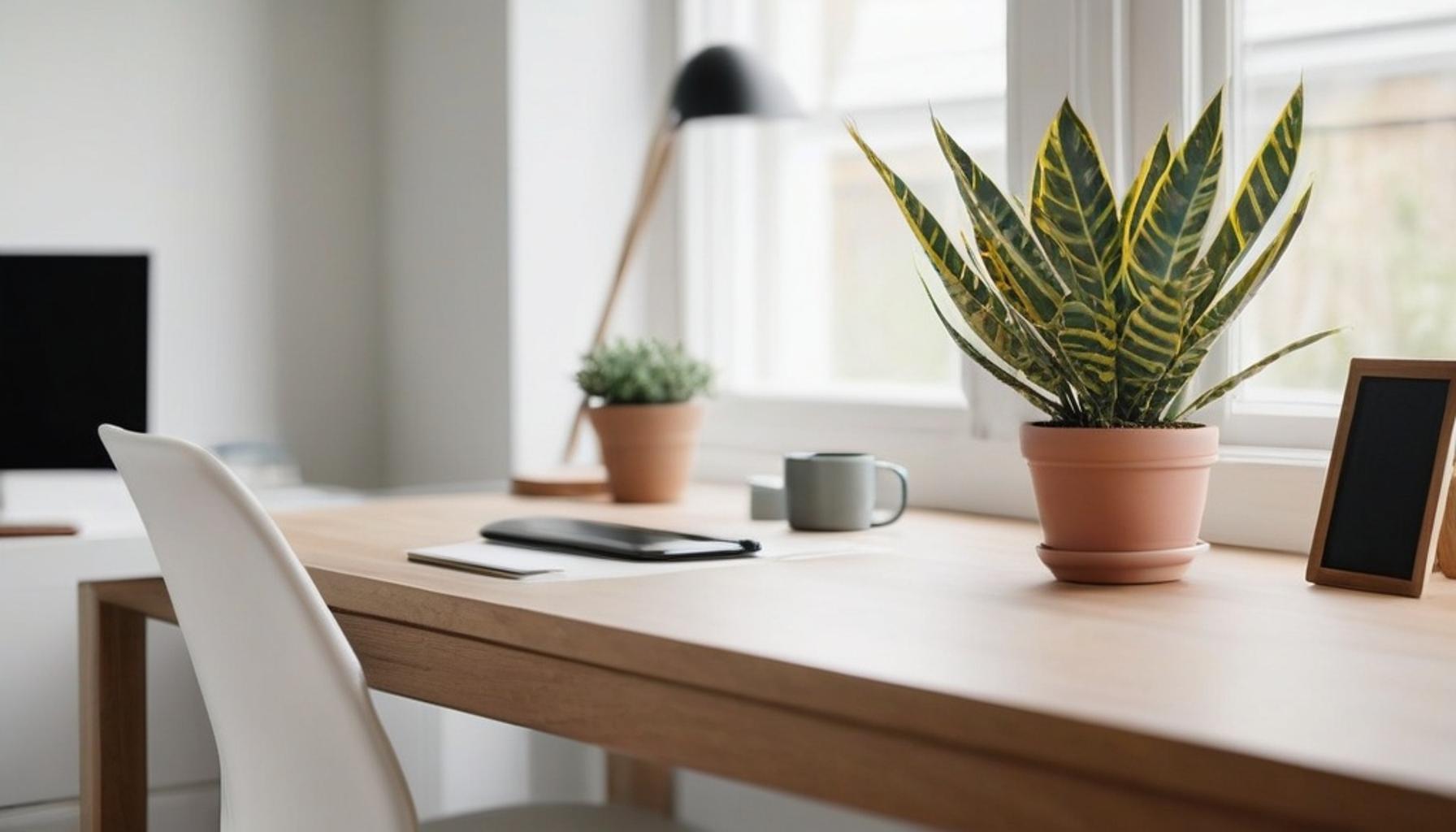
- Home offices: A designated “active project” surface, kept separate from long-term storage areas, can reduce the cognitive load associated with unfinished tasks that linger in sight. Consequently, a cleaner workspace not only enhances focus but also boosts creativity, enabling a more streamlined workflow.
- Bedrooms: Keeping these spaces purely for rest and intimacy—clear of workout equipment or electronic devices—supports better sleep hygiene. According to sleep researchers at institutions like the Cleveland Clinic, a decluttered sleep environment significantly promotes deeper, more restorative sleep.
- Kitchens: Organizing kitchens by task—prep, cooking, and cleanup—rather than by item type alone streamlines daily routines and alleviates decision fatigue. This targeted organization allows home cooks to flow seamlessly through culinary processes, enhancing both efficiency and enjoyment.
This zoning philosophy isn’t merely theoretical; real estate listings across U.S. markets from Seattle to Charlotte increasingly highlight “flexible zones” and “defined living areas” as premium features. This shift reflects a broader cultural move towards environmental design for wellness, showcasing how spatial organization can enhance overall quality of life.
Small Footprint, Big Impact
You don’t need vast square footage to implement these principles. Urban dwellers in bustling cities like Chicago and San Francisco, often working within constraints of under 700 square feet, have developed expertise in utilizing vertical storage options, nesting furniture, and rotating decor. These strategies help maintain clutter-free living without sacrificing personality or comfort. For example, furnishings that can transition between storage and use encourage adaptability while maximizing available space.
The key takeaway is simple: intentionality, not size, determines whether a space calms or overwhelms your mind. By adopting these intentional design strategies, anyone can cultivate an environment conducive to focus, creativity, and relaxation, facilitating a more organized, fulfilling life. Each choice contributes to a harmonious ecosystem in which daily tasks can be performed with ease and clarity. As you reconsider your own spaces, think about how you can implement these strategies to create a sanctuary that both nurtures your well-being and reflects your individual style.

| Design Strategy | Description |
|---|---|
| Mindful Visual Elements | Incorporating calming colors and art can help create a soothing atmosphere, reducing stress levels. |
| Organizational Layout | Utilizing open spaces and minimal furniture promotes ease of movement and mental clarity, enhancing focus. |
| Natural Light Integration | Maximizing natural light exposure boosts mood and productivity, creating a more vibrant environment. |
| Decluttered Space | Applying clutter-free living principles leads to reduced distractions and improved mental well-being. |
CHECK OUT: The Aesthetics of Minimalism: How Intentional Design Improves Personal Organization
Beyond the Layout: Sensory and Psychological Layers of Clutter-Free Living
Once the zoning framework is in place, the next layer of Intentional Design Strategies involves addressing the senses. Visual clutter is only part of the equation; sound, texture, light, and even scent contribute to how “busy” a space feels to the nervous system. Designers who specialize in environmental design for wellness often start here, since sensory overload can undo even the most organized floor plan.
Lighting as a Silent Architect of Calm
Research from the Lighting Research Center at Rensselaer Polytechnic Institute has shown that exposure to harsh, uniform overhead lighting can increase feelings of stress and fatigue. Layered lighting—combining ambient, task, and accent sources—mimics natural daylight patterns and helps regulate circadian rhythms.
Practical applications include:
- Dimmable fixtures in living rooms to shift mood from productive daytime energy to relaxed evening tones.
- Under-cabinet lighting in kitchens that reduces reliance on glaring overhead bulbs during quick tasks.
- Warm-toned bulbs (around 2700K) in bedrooms, which support melatonin production compared to cooler, blue-toned light.
Color Psychology and Material Choice
Color remains one of the most researched, yet frequently underestimated, mindful design techniques. Studies published in the Journal of Environmental Psychology suggest that muted, low-saturation palettes—soft sage, warm taupe, dusty blue—correlate with lower reported stress levels compared to high-contrast, saturated schemes.
This doesn’t mean color must be eliminated; rather, it should be applied with intention. A single accent wall or a curated collection of textiles can introduce personality without overstimulating the eye. Natural materials, such as wood, linen, and stone, further reduce sensory noise because they carry visual textures that the brain processes as familiar and non-threatening.
The Sound and Scent Dimension
Acoustic clutter is often overlooked in discussions about clutter-free living, yet it can be just as taxing as visual mess. Open-concept homes, popular across many American suburbs, sometimes amplify noise from kitchens into living and work areas. Introducing soft materials—area rugs, upholstered furniture, or acoustic panels—can absorb excess sound and restore a sense of quiet control.
Scent, too, plays a subtle role. A 2021 review in Frontiers in Psychology noted that consistent, mild fragrances like lavender or cedar were associated with reduced anxiety markers in home environments, reinforcing the idea that environmental design for wellness extends beyond what is merely visible.
Biophilic Touches That Do Double Duty
Incorporating natural elements—houseplants, wood grain, or a view of greenery—has consistently been linked to lower cortisol levels in occupational health studies. Beyond aesthetics, plants like snake plants or pothos require minimal upkeep, making them a practical, low-maintenance way to soften a room while reinforcing a sense of order rather than adding to the chaos.
Together, these sensory-focused choices demonstrate that reducing mental clutter isn’t only about what you remove from a room. It’s equally about what you add thoughtfully, layering light, sound, texture, and greenery to create spaces that actively support calm, focus, and everyday well-being.
Designing for Clarity: Where Intentional Living Begins
Across zoning frameworks, lighting choices, color palettes, and sensory details, one theme consistently emerges: Intentional Design Strategies are never about perfection. They are about creating environments that respond to how the brain actually processes space, sound, and stimulation.
From the National Institute of Mental Health’s ongoing research on environmental stressors to the growing body of work on biophilic design, the evidence points to a simple conclusion. Homes that support well-being are not necessarily the most expensive or elaborate; they are the most deliberate.
Consider what this article has covered. Defined zones reduce decision fatigue by giving every item and activity a logical home. Layered lighting supports circadian rhythms rather than working against them. Muted color palettes and natural materials lower sensory strain, while soft furnishings and mindful scent choices quiet the acoustic and olfactory noise that often goes unnoticed.
None of these elements work in isolation. A perfectly zoned kitchen can still feel chaotic under harsh fluorescent lighting. A beautifully painted bedroom can still disrupt sleep if acoustic clutter from a nearby street goes unaddressed. This is why mindful design techniques function best as a layered system, not a checklist to complete once and forget.
For readers ready to apply these principles at home, the most practical starting point is observation. Spend a few days noting which rooms feel draining and which feel restorative, then ask what specific sensory or spatial factor might be responsible.
As American households continue to prioritize promote well-being initiatives, from wellness rooms to multipurpose home offices, the demand for research-backed, practical guidance will only grow. Clutter-free living is not a trend destined to fade; it is a response to genuine cognitive needs.
Ultimately, environmental design for wellness invites a shift in perspective. A home is not simply a backdrop for daily life but an active participant in mental clarity, making thoughtful design choices one of the most accessible tools available for reducing stress and reclaiming a sense of calm.
Frequently Asked Questions
What are intentional design strategies for reducing mental clutter?
Intentional design strategies focus on creating environments that minimize distractions and promote focus. These strategies can include decluttering physical spaces, utilizing calming color schemes, and incorporating natural elements that enhance well-being.
How can I implement intentional design strategies in a small living space?
In a small living space, you can implement intentional design strategies by choosing multifunctional furniture, using vertical storage solutions, and maintaining a minimalist aesthetic. Limit personal items on display to reduce visual clutter and create designated areas for work and relaxation.
What role do colors play in intentional design strategies for mental clarity?
Colors significantly influence mood and mental clarity. Soft, neutral tones tend to create a calm atmosphere, while lighter shades can enhance focus and productivity. Using intentional color choices can help create spaces that support mental well-being.
Can lighting affect my mental clutter and well-being?
Yes, lighting plays a crucial role in mental clarity and well-being. Natural light is particularly beneficial, as it can improve mood and energy levels. Consider using layered lighting approaches to create a balance of ambient, task, and accent lighting tailored to your needs.
How can I use nature in my intentional design strategies?
Incorporating natural elements, such as plants, stones, and natural light, can significantly reduce mental clutter and foster well-being. Indoor plants not only enhance air quality but also contribute to a calming atmosphere, helping you feel more connected to nature.
Are there specific intentional design strategies for workspaces to reduce stress?
Yes, intentional design strategies for workspaces can include creating ergonomic setups, minimizing noise, and incorporating elements that inspire creativity. Use organizers to keep your desk tidy, and consider having a dedicated relaxation area within your workspace to take breaks and recharge.

Linda Carter
Linda Carter is a writer specializing in minimalism and personal organization. With extensive experience helping readers create more functional and balanced routines, she shares practical advice on decluttering, organizing spaces, simplifying daily tasks, and making more intentional choices. Her goal is to offer clear guidance and accessible strategies that help people reduce excess, improve their surroundings, and enjoy a calmer, more organized lifestyle.