The Role of Intentional Design in Creating Functional Minimalist Workspaces
Why Every Object on Your Desk Deserves a Second Look
A cluttered desk is rarely just a clutter problem. According to workplace psychology studies, visual chaos competes for the brain’s limited attention, quietly draining focus before the workday even begins. This phenomenon can be linked to the cognitive load theory, which postulates that our brains can only handle a certain amount of information at once. When faced with distractions or clutter, individuals can become overwhelmed, leading to decreased productivity and heightened stress levels.
This is where intentional design minimalist workspaces enter the conversation. Rather than simply removing items, this approach asks a sharper question: does this object, layout, or tool actually serve the work being done? The core idea is to create a workspace that deliberately enhances productivity by optimizing each element of the environment.
The Shift From “Empty” to “Efficient”
Minimalism in office settings has often been mistaken for bare walls and empty desks. In reality, functional workspace design is less about subtraction and more about precision. It’s about curating a select group of items and layouts that maximize efficiency while minimizing distractions.
Companies from Silicon Valley startups to remote-first teams across the United States are rethinking their physical environments. The goal is a space where every element earns its place. For instance, consider tech giants like Google, which are known for their stimulating yet uncluttered workspaces designed to promote creativity without chaos.
Consider what separates a merely tidy desk from a truly intentional one:
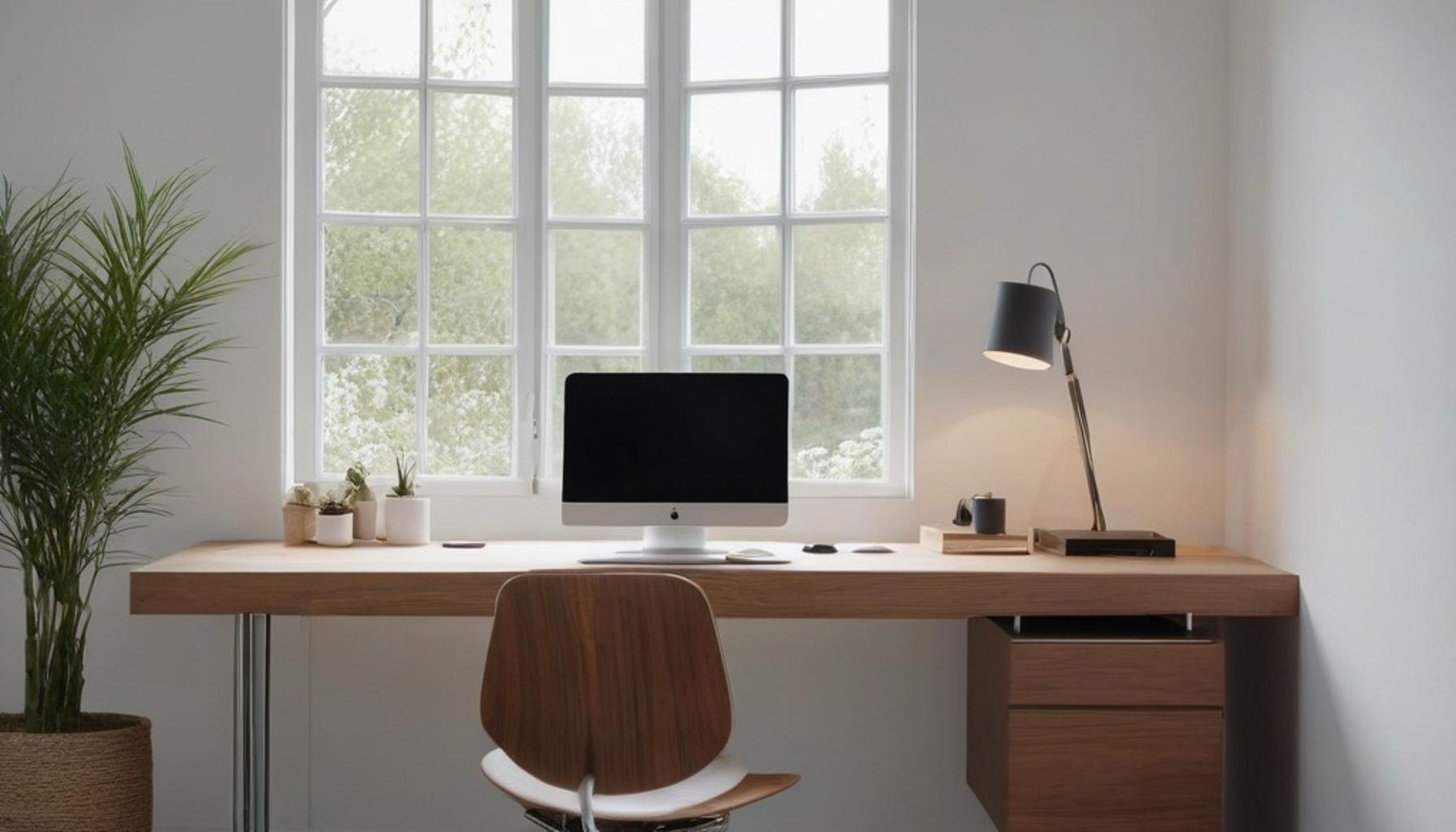
- A desk with only the tools used daily, not a display of unused accessories. For example, instead of a collection of pens, one might keep just two that are specifically suited for their writing needs.
- Storage systems designed around workflow, not just aesthetics. A filing cabinet can be tailored to segregate tasks, making it easier to access relevant documents when needed.
- Lighting and layout chosen to reduce fatigue, not just to look modern. Natural light or adjustable desk lamps can enhance mood and concentration, leading to longer periods of productive work.
What This Article Will Explore
Understanding the benefits of minimalist workspaces requires looking beyond trends and into behavioral research, design psychology, and real-world office transformations. Studies have shown that a well-organized workspace can lead to improved concentration and greater job satisfaction, ultimately improving employee performance.
This piece breaks down the intentional design principles behind spaces that genuinely support productivity. It will explore concepts such as the impact of color psychology and the importance of ergonomics in workspace design. Additionally, it will offer practical strategies for creating efficient workspaces, whether in a corporate office, home study, or shared coworking space. By implementing these principles, individuals can foster environments that not only spark creativity but also promote well-being and efficiency.
Through this exploration, readers will gain insights into how a focused and intentional approach to workspace design can lead to significant improvements in productivity and satisfaction in their work lives.
SEE ALSO: Intentional Design in Small Spaces: Minimalist Solutions to Maximize Functionality
Understanding the Impact of Intentional Workspace Design
Walk into any high-performing office in Austin, Seattle, or New York, and a pattern emerges. The desks aren’t necessarily empty, but nothing sits there by accident. This is the quiet signature of intentional design minimalist workspaces, where every object has been vetted for its actual contribution to the work at hand. The philosophy behind these environments extends far beyond mere aesthetics; it taps into the essential relationship between our surroundings and cognitive performance.
Researchers at Princeton University have revealed that visual clutter in a person’s field of view can directly compete for neural resources. This means that distractions such as mismatched cables, outdated notepads, and decorative knickknacks aren’t just ordinary nuisances. Instead, they represent an ongoing tax on cognitive bandwidth, hindering the brain’s ability to process information effectively and focus on complex tasks. Ultimately, an overloaded desk can dramatically reduce productivity and overall job satisfaction.
Why “Less” Isn’t the Same as “Better”
A prevalent misconception equates minimalism with deprivation, leading many to believe that a good workspace simply means owning less stuff. However, functional workspace design operates on a different premise entirely. The critical question is not how much can be stripped away but rather how each retained element aligns with actual work habits and needs.
This distinction is vital for creating a purposeful workspace. For instance, a designer who removes 90 percent of desk items but keeps the wrong 10 percent hasn’t solved anything. Instead, they may have simply created a different flavor of inefficiency. True intentionality demands that we first evaluate functionality before considering aesthetics. In practical terms, effective minimalism strives for a synergy between utility and visual clarity.
Some practical markers of this approach include:
- Cable management systems that eliminate visual noise while keeping charging stations within arm’s reach, creating a streamlined effect.
- Monitor and chair positioning calibrated to actual posture needs, rather than generic showroom setups that don’t consider individual ergonomics.
- Digital organization that mirrors physical organization, ensuring a clutter-free desk isn’t undermined by a chaotic desktop screen with numerous open tabs.
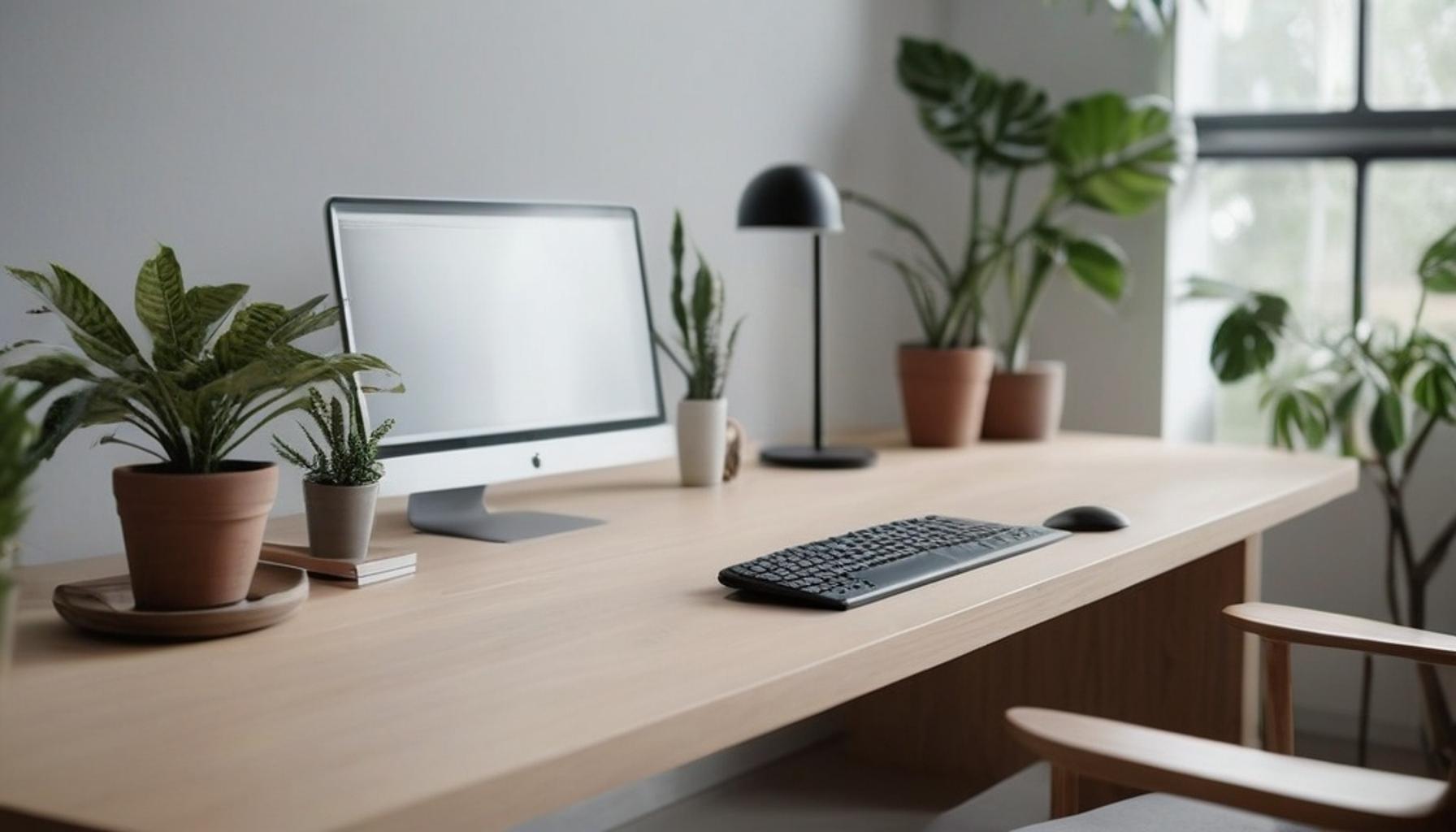
- Limiting personal items to those with proven value, such as a single plant known to improve air quality and boost mood, rather than a shelf full of collectibles that can create visual distraction.
The Data Supporting Deliberate Environments
A 2019 study published in the Journal of Environmental Psychology revealed compelling data: employees in well-organized, purpose-driven spaces reported satisfaction scores that were 15 percent higher compared to those situated in traditional, item-heavy offices. This reinforces the idea that workspace design goes beyond aesthetic preference, tapping into essential aspects of human psychology. Furthermore, Steelcase’s global workplace research has repeatedly shown that thoughtful spatial design correlates with measurable gains in employee engagement, creativity, and overall productivity.
These statistics signify that the benefits of minimalist workspaces are firmly rooted in measurable behavioral outcomes rather than fleeting visual trends borrowed from interior design magazines. In an era where well-being and productivity are paramount in the workplace, intentional design considerations could be the key differentiator for businesses seeking to enhance employee satisfaction and performance.
As organizations across the United States begin to recognize the crucial role of workspace design, the conversation surrounding intentionality will likely evolve. In turn, this awareness invites professionals and companies alike to explore how their own environments can foster productivity, creativity, and a deeper sense of fulfillment in the workplace.
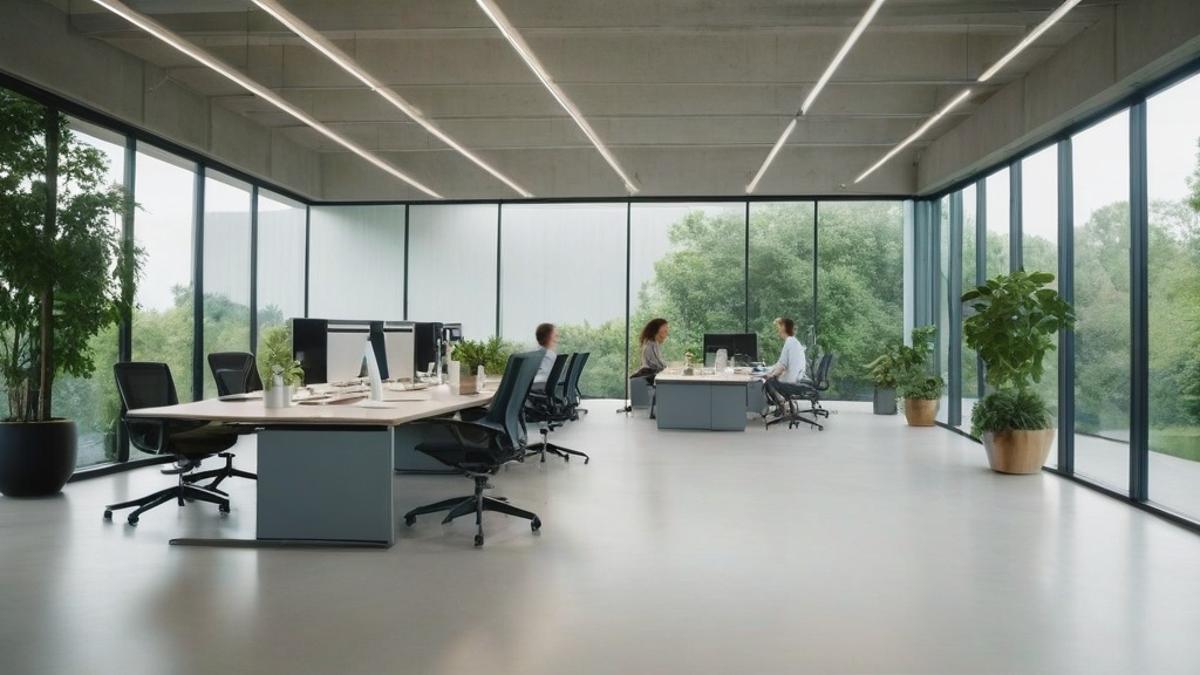
| Key Aspect | Description |
|---|---|
| Space Efficiency | Intentional design emphasizes maximizing functionality while minimizing clutter, promoting a workspace that enhances productivity. |
| Aesthetics and Comfort | Minimalist office design ideas focus on creating a visually appealing environment that fosters comfort, leading to lower stress and increased focus. |
| Intentional Design Principles | Utilizing intentional design principles, designers create efficient workspaces integrating furniture and technology seamlessly. |
| Adaptable Layouts | Flexible designs allow for quick reconfiguration, catering to different tasks and enhancing workflow in various work scenarios. |
| Long-term Investment | Investing in intentional design can yield long-term benefits such as reduced maintenance costs and increased employee satisfaction. |
RECOMMENDED: The importance of Intentional Design in creating minimalist environments that promote productivity and well-being
# The Role of Intentional Design in Creating Functional Minimalist Workspaces
From Theory to Practice: Applying Intentional Design Principles
Knowing the psychology behind clutter is one thing. Translating that knowledge into an actual workspace is where most people stumble. San Francisco-based architecture firm Gensler has spent years studying this gap, and their findings suggest that successful intentional design principles follow a specific sequence rather than a random collection of tips pulled from social media.
The process typically starts with an audit, not a purchase. Before buying a single organizer or minimalist desk accessory, professionals who redesign spaces successfully ask a blunt question: what did I actually touch today? This simple exercise, borrowed from lean manufacturing principles originally developed by Toyota, reveals which items earn their spot on a desk and which ones simply occupy space out of habit.
Zoning: The Overlooked Layer of Minimalist Office Design Ideas
Many minimalist office design ideas focus exclusively on what to remove, but spatial zoning plays an equally significant role. Workspace consultants often divide a desk into three functional zones: an active zone within immediate reach for current tasks, a reference zone slightly farther out for occasional tools, and a storage zone that stays out of sight until needed.
This tiered approach mirrors findings from cognitive ergonomics research conducted at Cornell University, which found that reaching distances beyond 20 inches significantly increase micro-interruptions in workflow. Each unnecessary reach, however brief, pulls attention away from the task at hand.
Companies like Herman Miller have incorporated this zoning logic directly into product design, creating desk systems with built-in tiers rather than flat surfaces. The goal is not simply fewer items, but items positioned according to actual frequency of use.
Real-World Applications Across Industries
The shift toward creating efficient workspaces isn’t confined to tech startups in Silicon Valley. Law firms in Chicago, healthcare administrators in Boston, and financial analysts in Charlotte have all adopted similar frameworks, adjusting them to their specific professional demands.
Consider these industry-specific applications:
- Legal professionals often maintain a single active case file on the desk, storing all others digitally or in labeled, closed-door storage to reduce visual reminders of pending workload.
- Healthcare administrators rely on color-coded but sparse physical systems, since regulatory paperwork can’t always go digital, requiring intentional physical organization rather than elimination.
- Financial analysts frequently invest in dual-monitor setups instead of paper printouts, reducing desk surface clutter while improving data visibility.
These examples demonstrate that intentional design isn’t a rigid template. Rather, it’s a flexible methodology adapted to the actual demands of a profession, reinforcing that the benefits of minimalist workspaces extend across sectors far beyond the tech industry’s open-plan offices frequently featured in design blogs.
Interestingly, a 2021 report from the American Society of Interior Designers noted a 23 percent increase in requests for “adaptive minimalism” consultations since 2018, signaling that this movement continues gaining traction across diverse American workplaces.
LEARN MORE: The Impact of Intentional Design on Mental Clarity in Minimalist Environments
The Bigger Picture: Why Intentional Design Deserves a Permanent Seat at the Table
What emerges from Gensler’s audits, Cornell’s ergonomics data, and the American Society of Interior Designers’ consultation numbers is a pattern that’s hard to ignore. Intentional design minimalist workspaces aren’t a passing aesthetic trend borrowed from Scandinavian design magazines. They represent a measurable shift in how Americans think about attention, workflow, and the physical environments that either support or sabotage both.
The evidence points to something deeper than tidiness. When a lawyer in Chicago clears every file except the active case, or a financial analyst in Charlotte swaps printouts for a second monitor, they’re applying the same underlying logic that showed up in the zoning research from Cornell. Distance, visibility, and frequency of use matter more than most office culture has historically acknowledged.
This is where functional workspace design earns its keep. It’s not about empty desks or Instagram-worthy minimalism. It’s about aligning physical space with actual cognitive demand, something that lean manufacturing figured out decades before it reached corporate offices.
Looking ahead, the 23 percent rise in adaptive minimalism consultations suggests American workplaces are far from finished experimenting with these ideas. Remote work, hybrid schedules, and shrinking office footprints in cities like Austin and Denver will likely push these intentional design principles further into mainstream practice, not away from it.
For anyone still skeptical, the takeaway isn’t to overhaul an entire office overnight. Start with the audit. Track what actually gets touched during a workday, then let that information, not a shopping list, dictate the next move. That single habit, more than any product or furniture upgrade, defines the real benefits of minimalist workspaces and separates genuine functionality from surface-level style.
Frequently Asked Questions
What are the key principles of intentional design in minimalist workspaces?
Key principles of intentional design in minimalist workspaces include simplicity, functionality, and purpose-driven choices. This means selecting furniture and decor that serve a clear function while minimizing distractions. The aim is to create an environment that enhances productivity and well-being by eliminating unnecessary clutter.
How does intentional design contribute to productivity in a minimalist workspace?
Intentional design contributes to productivity by ensuring that every element in the workspace serves a specific purpose. By reducing clutter and distractions, terms like ‘visual noise’ are minimized, allowing for greater focus. Moreover, thoughtfully chosen colors and materials can enhance mood and creativity, further boosting efficiency.
Can intentional design be applied to small spaces for minimalist workspaces?
Absolutely! Intentional design is particularly beneficial for small spaces, as it emphasizes maximizing functionality with minimal elements. Using space-saving furniture, such as multi-functional desks and storage solutions, allows you to create an efficient workspace that feels open and organized without overwhelming the area.
What role does color play in intentional design for minimalist workspaces?
Color plays a crucial role in intentional design by influencing mood and productivity levels. In minimalist workspaces, neutral colors often create a calming environment, while pops of color can stimulate creativity. Choosing the right color palette thoughtfully enhances the workspace’s functionality while still aligning with minimalist aesthetics.

Linda Carter
Linda Carter is a writer specializing in minimalism and personal organization. With extensive experience helping readers create more functional and balanced routines, she shares practical advice on decluttering, organizing spaces, simplifying daily tasks, and making more intentional choices. Her goal is to offer clear guidance and accessible strategies that help people reduce excess, improve their surroundings, and enjoy a calmer, more organized lifestyle.